Temple Bar vs Grafton Street: Which Dublin Area Should You Stay In?

Two central Dublin areas with very different rhythms. This comparison covers noise, room types, price expectations, transport and who each one actually suits for a short stay.
Two areas, two different jobs
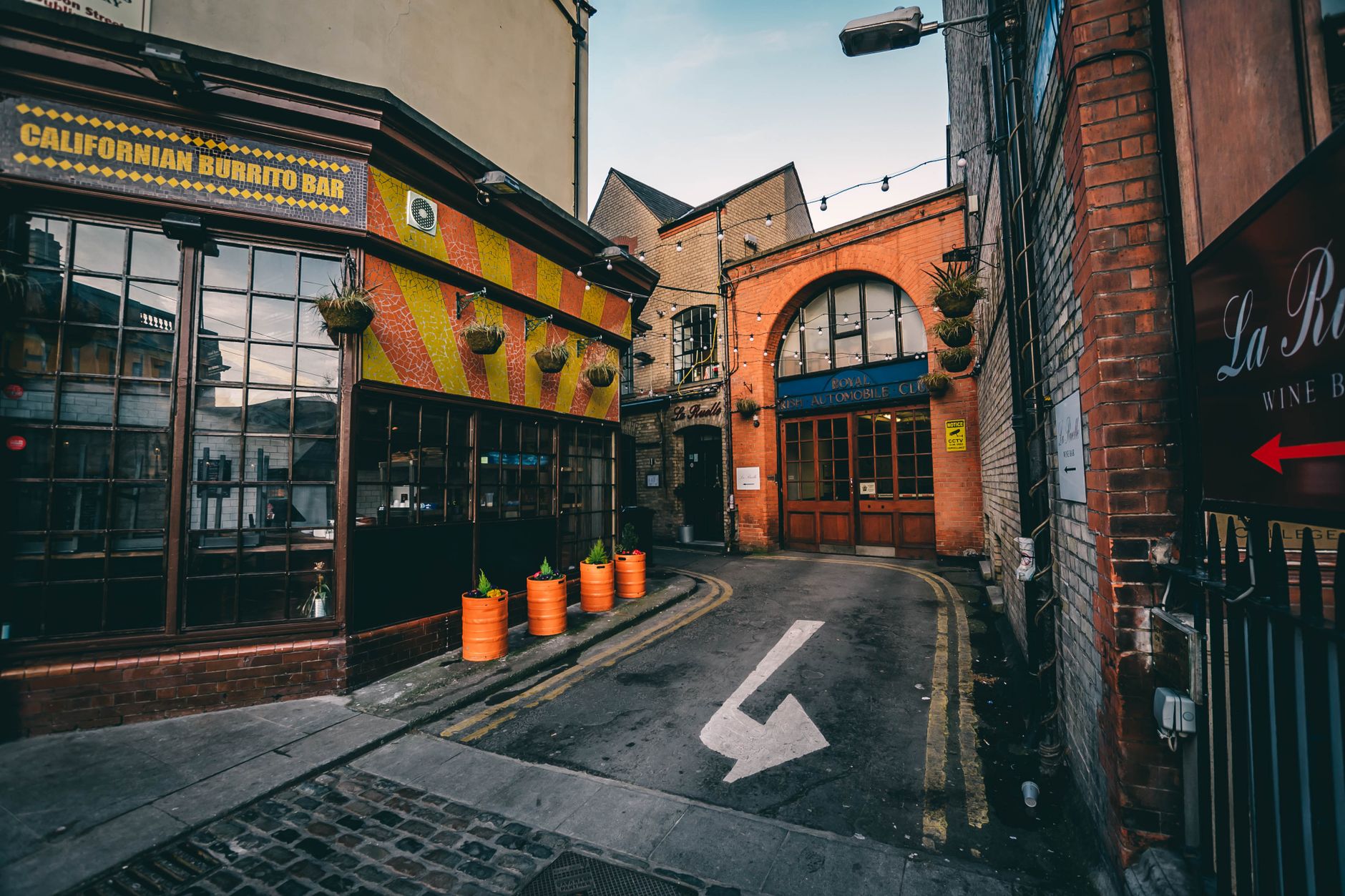
Temple Bar sits on the south bank of the Liffey between Dame Street and the river, a tight grid of cobbled lanes packed with pubs, live music rooms and late kitchens. Grafton Street runs south from College Green to St Stephen’s Green and is the city’s main shopping spine, with side streets of cafes, small hotels and a calmer evening feel once the shops close.
The practical difference is what happens outside your window at 11pm. Temple Bar is a nightlife district first, so you are paying for proximity to the buzz and accepting the noise that comes with it. Grafton Street is a daytime district that goes quiet after dark, which suits travellers who want central but restful.
Both are within a 15-minute walk of Trinity College and the Liffey bridges, so sightseeing access is broadly similar. Your decision is really about evenings, room size and how much you value a full night’s sleep.
What Temple Bar is like to stay in
Hotels here tend to be small and independently run, often above or beside pubs, with room counts in the dozens rather than the hundreds. Expect compact rooms, character over space, and windows that may open onto a lane where crowds gather. Ask specifically for a room away from the street if you book here.
The upside is obvious: you can walk out at 9pm and be in a music pub in two minutes, and you can retreat on foot at closing time without a taxi. Breakfast is often simple, and several places double as restaurants, which matters on wet evenings.
Prices vary widely by season and by whether a big event is on. Expect Central Dublin rates to rise sharply on weekends and around major sporting fixtures. Ask your host directly about noise levels and whether the bar below stays open late, since this is the single most common complaint about the area.
What Grafton Street is like to stay in
The Grafton Street area gives you a wider spread of hotel styles: a handful of larger, traditional properties near St Stephen’s Green, plus smaller townhouse-style stays on the side streets like South Anne Street and Duke Street. Rooms are generally a little larger and quieter than Temple Bar equivalents at similar prices.
Evenings are low-key. You get restaurants, wine bars and cafe culture rather than late-night venues, and St Stephen’s Green is a few minutes away for a morning walk. Shopping is on the doorstep, and the Luas tram line runs along Grafton Street itself, which is useful for getting to other parts of the city.
If you want to sleep well and still be central, this is the safer choice. You trade a little of the nightlife immediacy for quiet, and you can still walk to Temple Bar in about ten minutes when you want it.
Prices and what you get for them
At the budget end, both areas have limited genuinely cheap options, because this is prime central Dublin. Expect mid-range rooms to sit in a similar band in each area, with Temple Bar sometimes slightly cheaper midweek and noticeably more expensive on Saturday nights when demand for nightlife peaks.
The value question is what the room includes. Temple Bar rooms are smaller and the noise risk is higher, so a cheap rate there may mean earplugs. Grafton Street area rates often buy you more space, better soundproofing and a proper breakfast, which can offset a slightly higher headline price.
Always confirm whether the quoted rate includes breakfast and local taxes, and check the cancellation terms. Prices in Dublin move quickly around events, so a booking made months ahead is usually cheaper than one made on the day. Ask the hotel directly about any seasonal surcharge rather than assuming the online figure is final.
Getting around from either base
Both areas are walkable to the main central sights: Trinity College, Dublin Castle, Christ Church Cathedral and the Liffey quays. From Grafton Street, the Luas Green Line is right there and connects north and south across the city. From Temple Bar, you are closer to the river crossings and the north-side streets around O’Connell Street.
Airport access is comparable. Several coach services run to the central bus stations, and taxis take roughly the same time from either area. If you arrive late, check whether your hotel has a night porter, since small Temple Bar properties sometimes lock their front doors early.
For day trips out of the city, both areas put you within a short walk of the main rail stations. Grafton Street is marginally better placed for the southbound suburban and coastal trains, which is worth knowing if you plan a day by the sea.
Noise, sleep and the honest trade-off
This is the deciding factor for most travellers. Temple Bar’s lanes funnel sound, and a room on the first or second floor facing the street can be loud until the early hours, particularly on weekends. Triple glazing helps but does not eliminate it.
Grafton Street is quiet at night but can be busy in the morning with deliveries and street activity from mid-morning. Rooms facing the street are still generally fine. Rooms at the back are quieter still, so it is worth requesting one.
If you are travelling with children, on a work trip, or simply value sleep, Grafton Street is the better fit. If you are here primarily for music and a lively evening and plan to be out late anyway, Temple Bar’s downsides matter much less.
How to choose, in plain terms
Choose Temple Bar if your trip revolves around pubs, live music and late nights, you are travelling as a couple or with friends, and you can tolerate noise or will book a quiet room deliberately. It is also convenient for a very short stay where you want everything within a few minutes' walk.
Choose Grafton Street if you want central but calm, need more room, are travelling with family, or plan early starts for tours and day trips. You keep full access to the nightlife by walking ten minutes when you feel like it, and you get a quiet night when you do not.
A reasonable compromise is to book near Grafton Street and treat Temple Bar as an evening destination rather than a base. Ask your host about room position and noise before you pay, and you will avoid most of the regrets either way.
Before you book
What people ask before booking Temple Bar.
Yes, particularly on Friday and Saturday nights. The district is a nightlife hub, and rooms facing the lanes can hear crowds until the early hours. Ask for a room at the back or on a higher floor, and check whether the hotel’s own bar stays open late before booking.
Yes. It is central, walkable to Trinity College, Dublin Castle and St Stephen’s Green, and the Luas tram runs along the street. Most main sights are within 15 to 20 minutes on foot, and the area is quiet at night.
Grafton Street is the better fit. It is quieter after dark, rooms tend to be larger, and St Stephen’s Green gives children space to run. Temple Bar’s late-night noise and pub-heavy streets suit families less well.
Sometimes midweek, but not reliably. Temple Bar rates spike on weekend nights, while Grafton Street area hotels are more consistent. Compare total cost including breakfast and check cancellation terms rather than headline rates.
Yes, easily. The walk takes about ten minutes across Dame Street and College Green. Many visitors stay in one area and treat the other as an evening or shopping destination.
Both are roughly the same distance from Dublin Airport by road, typically 25 to 45 minutes depending on traffic. Coach services run to central bus stations, and taxis take a similar time from either area. Check your hotel’s late-arrival arrangements if you land at night.