Grafton Street
Dublin’s busiest shopping street, with Trinity College, St Stephen’s Green and good hotels within a five-minute walk.
 Grafton Street
Why people stay in Grafton Street
Grafton Street runs roughly north to south through the middle of Dublin’s south city centre, from the bottom of College Green up to the top of St Stephen’s Green. It is the city’s main pedestrianised shopping street, permanently busy with shoppers, street performers and commuters cutting through. It sits on the edge of Trinity College to the north and the Green to the south, with the smaller side streets — Wicklow Street, Duke Street, Anne Street — holding much of the character. This is the smallest, densest area on the site: you can walk across it in under ten minutes.
Stay here if you want to be able to walk to everything — Trinity, the Green, the National Museum, Temple Bar and the pubs around Baggot Street are all within twenty minutes on foot. It suits first-time visitors who would rather not use buses or taxis, and people in town for a short break who value location over floor space. It does not suit light sleepers who need absolute quiet, or anyone on a tight budget: this is among the most expensive square footage in Ireland, and rooms can be small for the money.
By day the street itself is loud and commercial, but the side streets calm down fast. Wicklow Street and the lanes around South Anne Street have cafés and independent shops, and by mid-morning the crowds are thick. In the evening the shops close, most of the shoppers leave, and the area becomes about restaurants and pubs — Duke Street and the streets off it pick up around six and stay lively until late. It is not a nightlife area in the Temple Bar sense, but it is certainly not quiet.
The street itself is a straight, rising walk with a few larger stores and plenty of smaller ones. Trinity College’s front gate is a few minutes north; St Stephen’s Green, the Iveagh Gardens behind it and the Georgian streets around Fitzwilliam Square are a few minutes south. Nearby you have the National Museum of Ireland on Kildare Street and the National Gallery off Merrion Square — both free to enter. Everyday life here is office workers, students from Trinity, shoppers and hotel guests, all on the same pavements.
For food you are well served at most price points. Dawson Street and Duke Street have sit-down restaurants, Wicklow Street and the side lanes have cafés for lunch, and the department stores on the street itself have cafés upstairs that are handy on wet days. South Anne Street has a strip of pubs and restaurants that fills at lunchtime. Expect Dublin city-centre prices: a pub lunch in the mid to high teens of euros, a main course in a mid-range restaurant from the high teens into the thirties, a coffee around four to five euros.
Dublin does not have extreme seasons, but it does have a lot of grey, damp days and short winter light. December is the busiest time on the street — Christmas lights, crowds and higher hotel rates, so book early. Late spring and early autumn are the most comfortable: milder weather, longer evenings and slightly softer prices. July and August bring tourists and school holidays. Whatever the month, bring a rain jacket; the weather changes quickly and you will walk more than you expect.
This is an expensive area to stay and to eat. Expect mid-range hotels here to run considerably above what you would pay a fifteen-minute walk away in the Liberties or Rathmines, and the cheapest beds are likely to be in smaller guesthouses on the side streets or a short walk south. Prices climb at weekends, during big events and around Christmas. Do not assume the big-name hotel is better value; older city-centre hotels often have small rooms at high rates, so read the room size.
The street is pedestrianised, which makes arrival on foot easy and arrival by car awkward — there is very little on-street parking and much of it is paid and time-limited. Most hotels do not have their own car park, so ask before booking if you are driving. The area is busy with commuters at rush hour but safe and well lit at night. Book restaurants for Friday and Saturday. If you want a quiet room, ask for one facing away from the street and away from any pub on the ground floor.
Grafton Street itself is a short, straight, rising pedestrian street. I would start at the bottom, where it meets College Green and Trinity, and walk up slowly — this is the least rushed end, with the side streets worth poking into. About halfway you pass the side lanes on the right leading to Wicklow Street and South Anne Street. Carry on to the top and you arrive at the north-west corner of St Stephen’s Green, where the shopping centre sits.
The best places to stay here depend on what you want. For convenience and quiet, look at the edges rather than the street itself: the streets between Grafton Street and Merrion Square (around Fitzwilliam Street, Baggot Street and Lower Mount Street) are five to ten minutes' walk from the shops but noticeably calmer at night. If you want to be in the middle of things, the short side streets off the street — Duke Street, Dawson Street, South Anne Street — put you within a minute of restaurants and pubs, at the cost of some evening noise. Smaller hotels on these streets tend to be older buildings, so rooms can vary a lot in size; ask what you are getting. If you want somewhere bigger and quieter, look towards St Stephen’s Green and the Georgian streets south and east, where larger hotels sit on the square itself and on the quieter residential streets behind it. Self-catering apartments exist around the Green and Fitzwilliam Square and suit longer stays, but a short-break stay of two or three nights is usually easier in a hotel. Expect the top of the range at the big hotels on and near the Green, mid-range at the smaller independent city hotels, and the cheaper end in guesthouses a ten- or fifteen-minute walk south. Prices run up sharply on Friday and Saturday nights and through December.
Things to do in Grafton Street
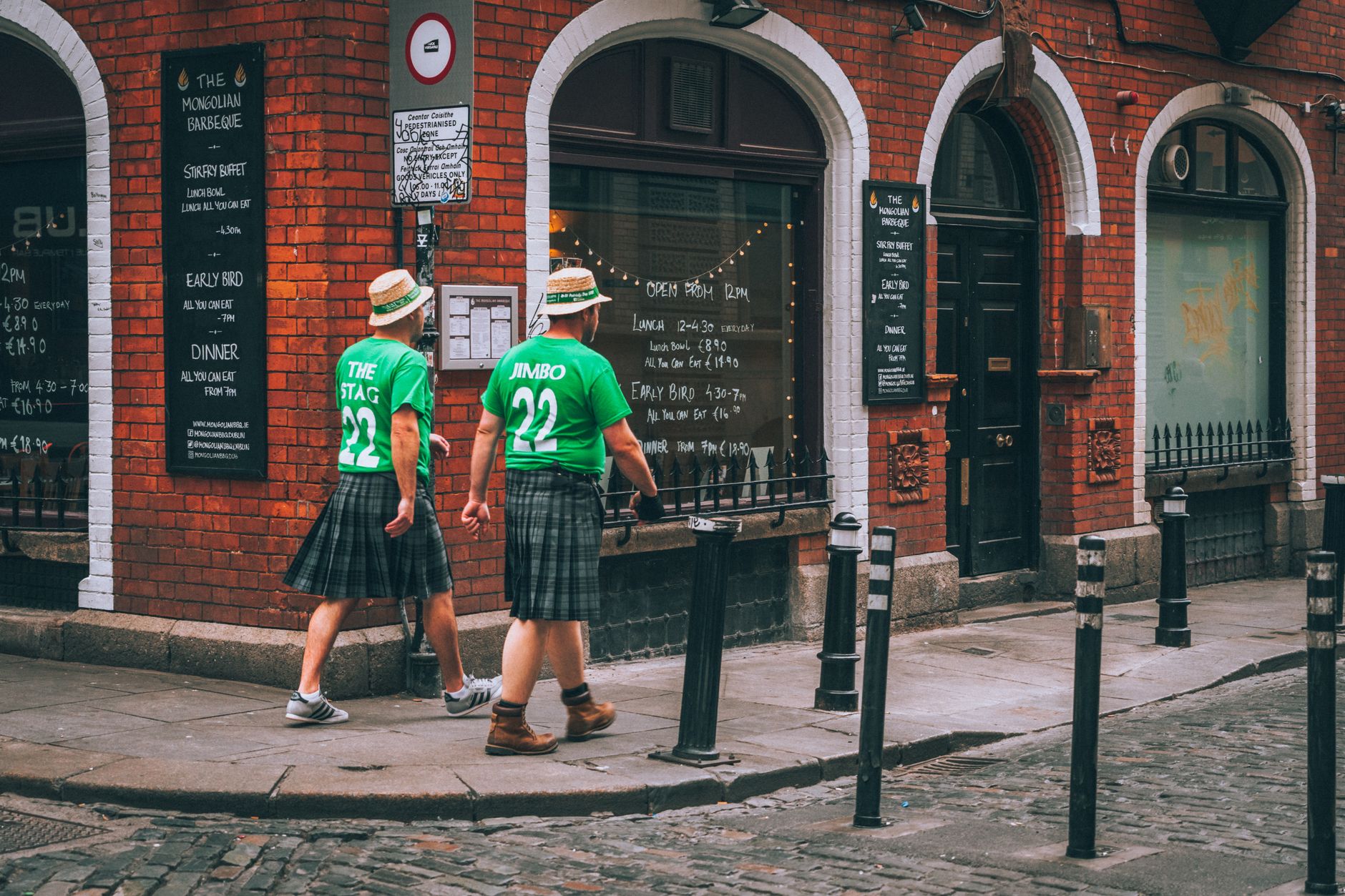
Grafton Street itself is a pedestrianised walk with buskers and the city’s best-known shops, but the real character is in the lanes off it — Wicklow Street, South Anne Street, Duke Street, Anne’s Lane. Do this on a weekday morning before the crowds build, when the shops are just opening and the pavements are clearer. Forty-five minutes is enough if you are just walking; half a day if you are shopping. Bring an umbrella; the street runs like a funnel when it rains.

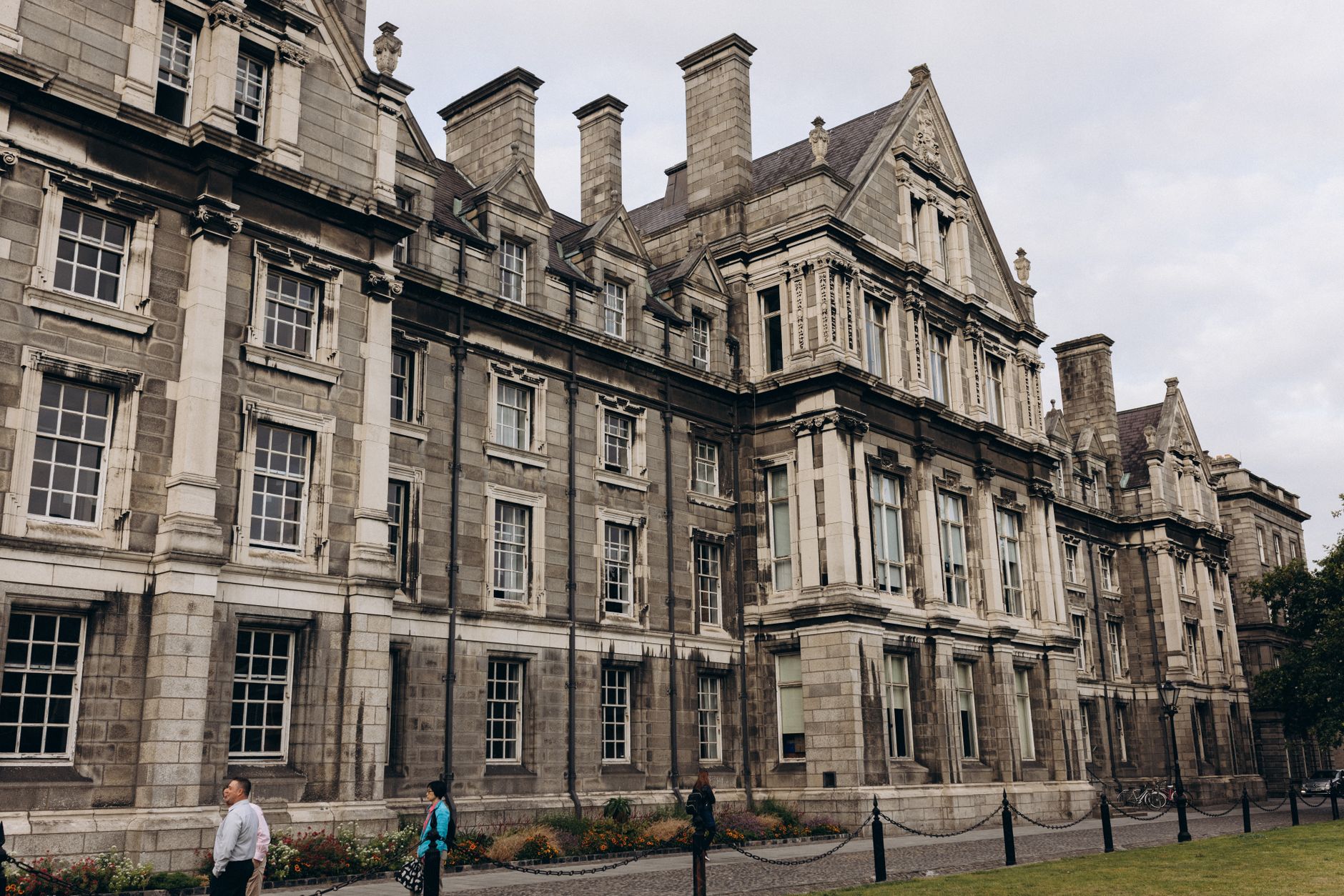
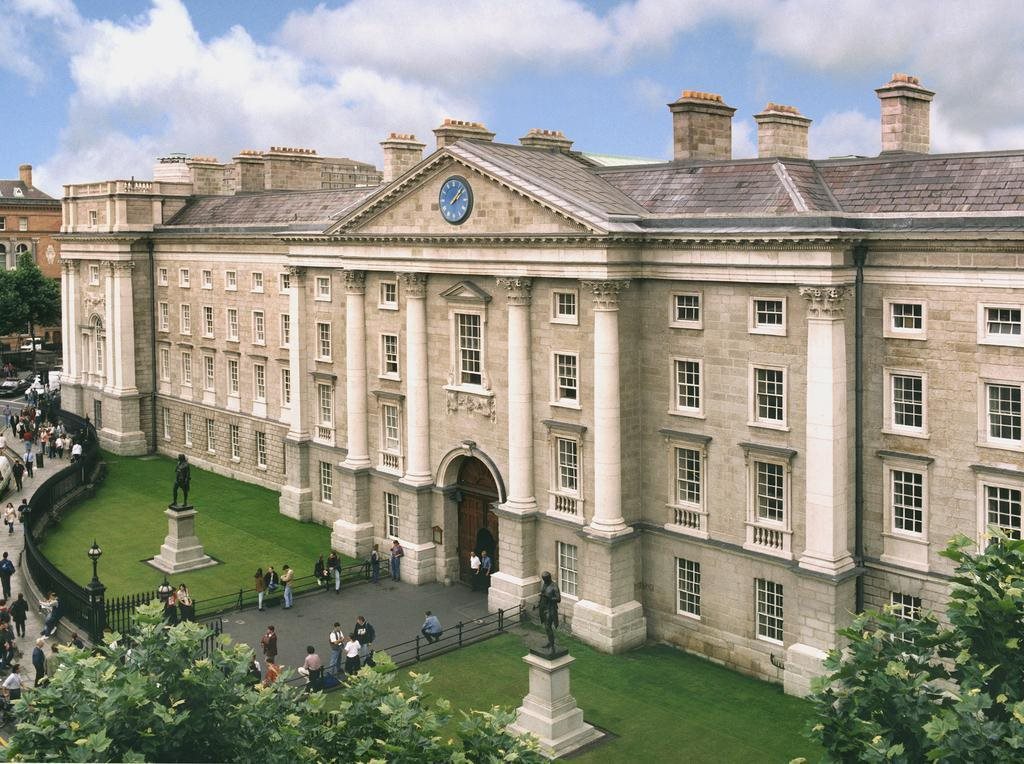
Trinity’s front gate is a few minutes north at College Green, and the campus is free to walk through. It is one of the oldest university grounds in these islands, with cobbled squares and stone buildings, and a short walk through it is a good way to break up a shopping day. Note that the Book of Kells exhibition is in the library and is ticketed — book in advance and expect queues. Go early morning for the quietest campus. Twenty to thirty minutes for a walk-through.

St Stephen’s Green sits at the top of Grafton Street: 22 acres of lawns, paths, a lake and flower beds, free to enter, with gates on all sides. It is at its best on a sunny weekday, with office workers on the grass at lunchtime. The nearby Iveagh Gardens off Clonmel Street are smaller, less known and quieter, with a waterfall and a good lawn for lying down. A good free hour in good weather; bring a jacket even if you set out in sun.

The National Museum of Ireland on Kildare Street (archaeology, including the bog bodies and the Ardagh Chalice) and the National Gallery off Merrion Square are both free and both a short walk from the top of Grafton Street. They are the best rainy-day option in this part of the city. The museum is not huge and an hour or two covers the highlights; the gallery can fill half a day if you get into it. Check opening days before you go, as Monday closures are common.
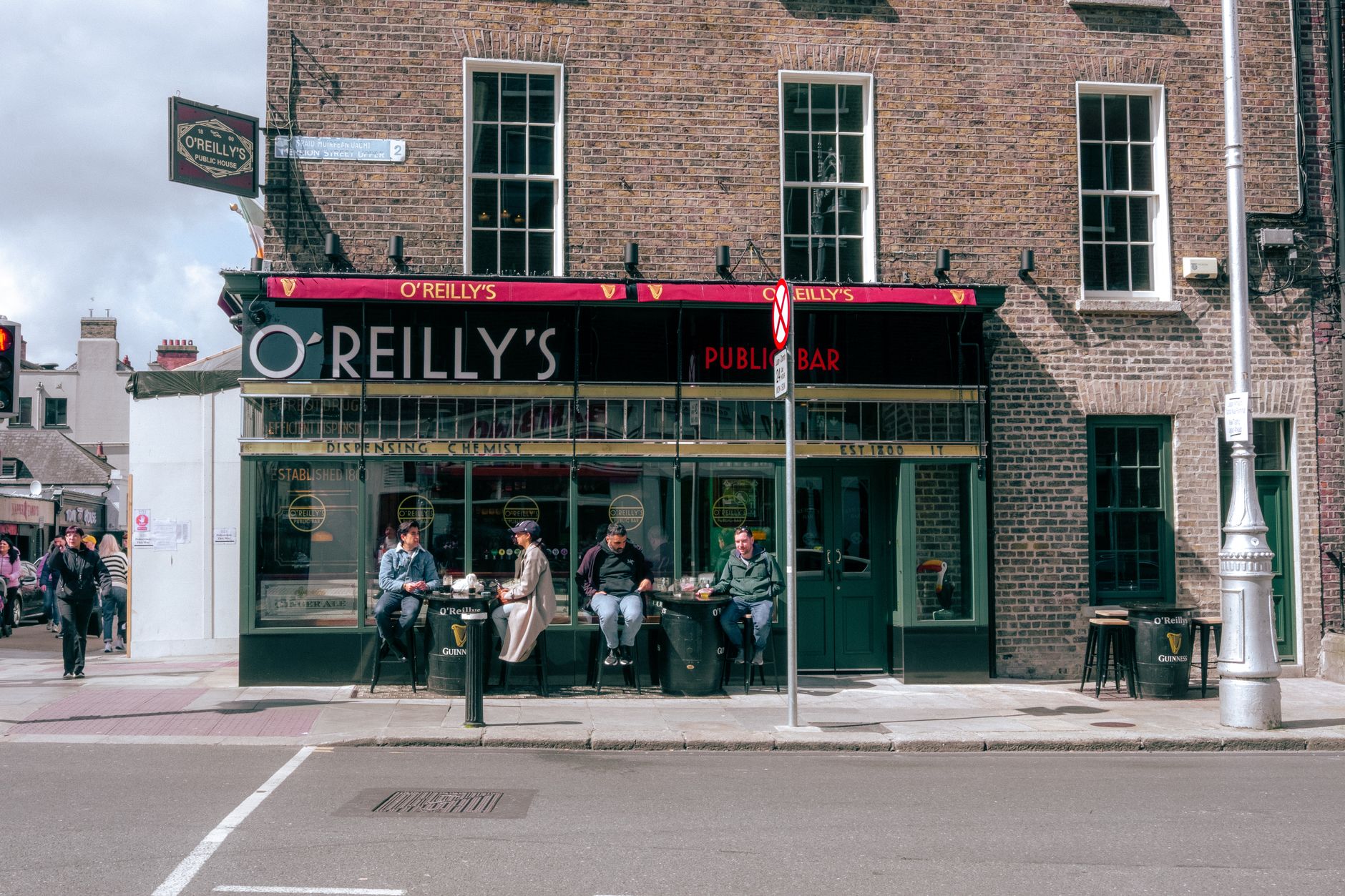
The pubs and restaurants on the lanes off Grafton Street — Duke Street, South Anne Street — do solid lunches, and they fill fast with office workers between about twelve and two. Go early (just after opening) or late (after two) to get a seat. Expect a pub lunch to cost in the mid to high teens of euros, and book if you are a group. This is a good rainy-day plan: a long lunch, then a museum in the afternoon.

In the evening, walk south from the Green into the Georgian streets — Fitzwilliam Square, Merrion Square — where the terraces, doors and railings are the best-preserved in Dublin. It is quiet, well lit and very walkable, and takes about thirty to forty minutes at an unhurried pace. Merrion Square has a park in the middle, free to enter, with gates that close in the evening; check the closing time on the gate sign. Bring a camera; the light at dusk on the brick is the reason to go.
What to see
Hotels near Grafton Street
No hotels are listed in Grafton Street yet. The nearest ones are on the region page.


Every hotel we cover in Grafton Street
- Annebrook House Hotel 4★ · 4.5/5
- Wren Urban Nest 4★ · 4.5/5
- Trim Castle Hotel 4★ · 4.4/5
- Blooms Hotel 3★ · 3.8/5
- Grafton Street District Apartments 4★
- Grafton Street Apartment 3★
Getting around Grafton Street
If you are coming from Dublin Airport, the fastest options are a taxi or app (expect roughly 30 to 45 minutes depending on traffic, and a fare that is real money — check the app estimate before you book) or one of the express coach services that run to the city centre, which drop within a ten- to fifteen-minute walk. The cheaper public option is the regular city bus or the airport coach into the centre, then walking. Within the city, this area is best done on foot: Grafton Street is pedestrianised, and Trinity, the Green, Temple Bar and Merrion Square are all within twenty minutes of each other. The Luas tram line runs along the edge of the area at St Stephen’s Green and at College Green, which connects you west towards Smithfield and the Liberties and east towards the Docklands; buy a Leap card for cheaper fares. Dublin Bus routes crisscross the area, but for short hops walking is faster. Driving here is a bad idea: the streets are one-way, congested and short on parking, and most hotels do not have their own car park — if you must drive, ask your hotel about a nearby paid car park before you arrive and budget for it. Taxis and ride apps are easy to find on Dawson Street and around the Green, harder on the pedestrian street itself. Everything in this area is walkable, including the stations: Pearse Station is a short walk east for suburban and commuter trains.
Questions about Grafton Street
Yes, if location matters more to you than space or price. You can walk to Trinity, St Stephen’s Green, the National Museum, Temple Bar and the Georgian squares in under twenty minutes, and you will not need a taxi to see the main sights. The trade-off is cost and noise: this is among the most expensive areas to stay, rooms in older buildings can be small, and the side streets with pubs are lively at night. Ask for a room away from the street if you are a light sleeper.
Both are a short walk. Trinity College’s front gate is about five minutes north of the bottom of Grafton Street, at College Green. Temple Bar is about ten to fifteen minutes west, across the river side of College Green and down towards the Liffey. St Stephen’s Green is at the top of the street, a couple of minutes from the last shops. You do not need transport for any of these; the whole cluster is walkable in an afternoon.
On-street parking in this area is limited, paid and time-restricted, and Grafton Street itself is pedestrianised. Most hotels here do not have their own car park. Ask your hotel before you book — some have arrangements with nearby paid multi-storey car parks, and you should budget for a daily rate that is not cheap. If you are only in Dublin for a few days, the honest advice is to leave the car at home or at the airport and use buses, the Luas tram and your feet.
The shops close in the early evening, and the area shifts to restaurants and pubs — the lanes off the street, Duke Street and South Anne Street, are the liveliest. For something quieter, walk south into the Georgian streets around Fitzwilliam and Merrion Square, which are well lit and peaceful at night. The National Museum and Gallery close in the evening, so plan those for daytime. Book a table for Friday and Saturday; the good places fill up.
Late spring and early autumn give the best balance of weather, daylight and softer hotel prices. July and August are busy with tourists, and December is the busiest of all — Christmas lights on the street, crowds and peak rates, so book well ahead if you want that. Winter is quiet in January and February, with short daylight and more rain, but cheaper rooms. Whatever the season, pack a waterproof jacket and comfortable shoes; you will walk more than you plan to.