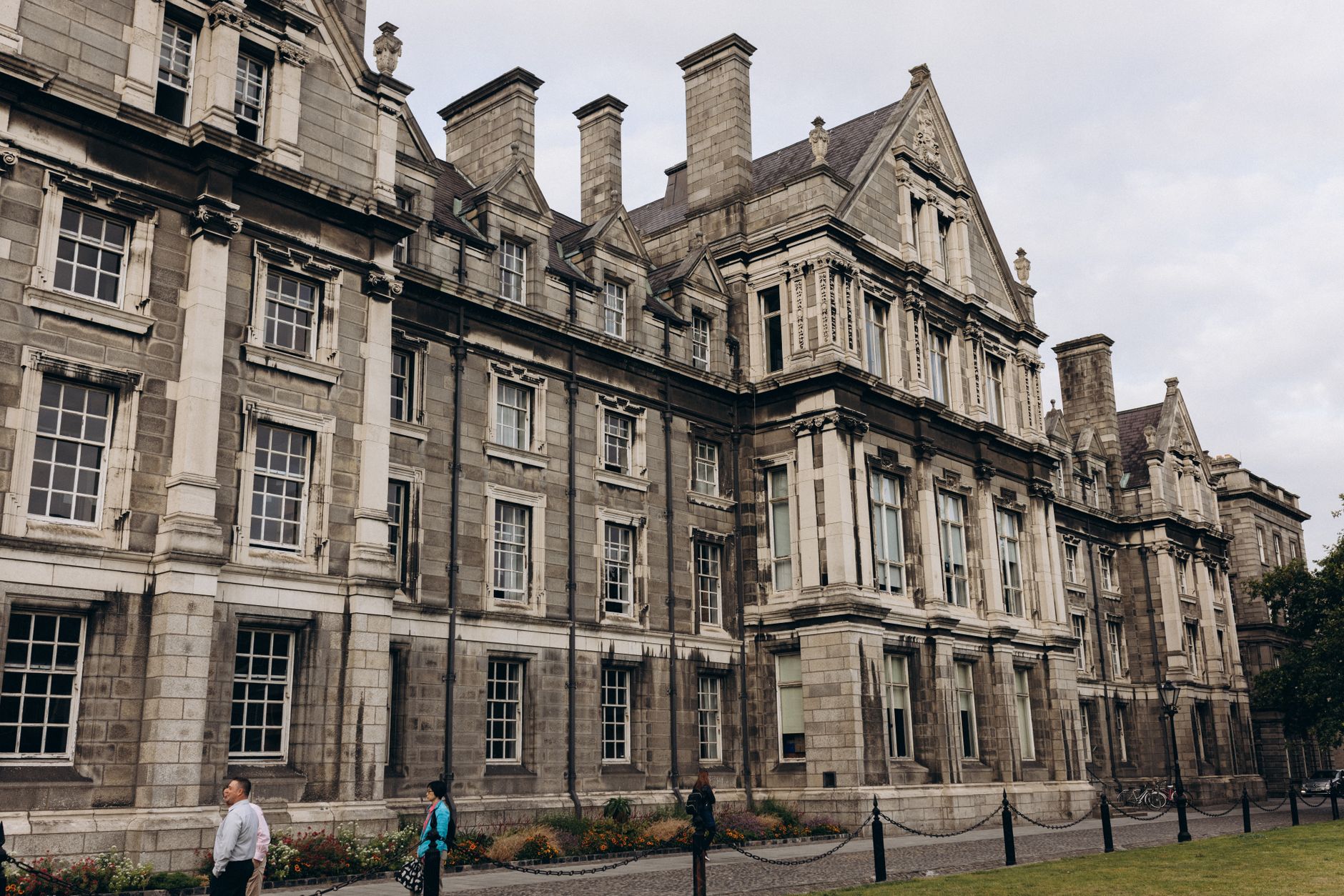
Trinity College Area
Stay beside Trinity College, where the medieval core, Grafton Street and the Liffey all sit within a short walk.
 Trinity College Area
Why people stay in Trinity College Area
The Trinity College Area is the pocket of central Dublin that surrounds the walls of Trinity College itself, sitting between College Green to the west, Pearse Street to the south and the edge of the Docklands to the east. It is not a large district; you can walk across it in about ten minutes. What makes it useful as a base is its position: you are at the hinge between the old city around Temple Bar and the shopping and offices that spread east. The campus is the anchor, and the streets around it hold a mix of offices, hotels, small shops, sandwich places and student-facing businesses that keep the pavements busy on weekdays.
This area suits first-time visitors who want to walk to most of the centre without committing to the noise of Temple Bar, and it suits business travellers who need to be near the offices around the south docks. It does not suit people who want a quiet residential feel, or anyone hoping for cheap rooms. The immediate streets are commercial and busy, and light sleepers should look at rooms set back from College Green and Pearse Street. Families will find it convenient for the Book of Kells and the museums near Merrion Square, but there are few parks right inside the area except the college grounds, which are not a public park in the usual sense.
By day, this is a working and studying neighbourhood. Students cross between lecture halls, office workers queue for coffee, and tour groups gather at the College Green entrance to Trinity. The pavements are wide but crowded at class-change times and around lunch. In the evening the streets empty out fairly quickly as the offices close and the college day ends; it is noticeably calmer than Temple Bar a few minutes west, and the restaurants nearby tend to be business and pre-theatre places rather than late-night bars. Late at night it feels quiet and a little empty, and you will want to use main streets rather than back lanes.
The obvious landmark is Trinity College Dublin itself, entered from College Green, with the Front Gate and the cobbled Front Square. Beyond that, the area is a grid of streets: Pearse Street runs along the south, College Street and D’Olier Street to the west, and the streets around Westland Row and Hawkins Street lead toward the river and the docklands. Everyday life means banks, pharmacies, convenience stores, a post office and plenty of takeaway lunch spots. The campus is private but generally open to visitors during the day, and you can walk through parts of it; check current access rules at the gate because they change.
Food here is mostly practical and quick: sandwiches, soup, salads and coffee aimed at students and office workers, with a handful of more comfortable restaurants for dinner. For a wider choice, Grafton Street, South Great George’s Street and the streets around Dame Street are a short walk. If you want a proper market, you are better off walking toward Temple Bar or the Liberties than eating inside this area. Expect lunch to be busy between roughly 12.30 and 2pm on weekdays; go early or late. In the evening, options thin out, so plan dinner slightly further afield and walk back.
Dublin weather is mild but changeable, and this area gives you little shelter from wind coming off the Liffey. Spring and early summer are pleasant for walking, and autumn is often the best balance of light and fewer crowds, though rain is possible in any month. The campus gets very busy with visitors in high summer, especially around the Book of Kells in the morning. If you want the streets quieter, come at the weekend when the offices are closed, or on weekday evenings after about six. Bring a light waterproof layer rather than an umbrella, which struggles in the wind along the river.
Hotel prices here are among the higher end of the Dublin range because of the location, and rooms in the bigger hotels can be expensive in summer and around major events. Expect to pay more than in Rathmines or the Liberties for similar quality, and expect the cheapest rooms to be small. Budget hotel chains sit a short walk away toward O’Connell Street and the quays. Food and drink costs track central Dublin: a coffee and a sandwich for lunch is moderate, dinner in one of the nearby restaurants is more, and a pint in the area is typical of the city rather than a bargain.
Before you arrive, know that this is a working city-centre area, not a tourist village: shops close in the evening and some streets are quiet at night. Book the Book of Kells and campus tours ahead if you want them, since walk-up queues can be long in summer. Ask your hotel which side the room faces, because College Green and Pearse Street carry traffic and early deliveries. Accessibility around the campus is generally good on the main streets, but some older pavements are uneven. The area is compact, so you rarely need a taxi once you are here, though taxis are easy to find near the main streets.
The best places to stay are the streets just east of the college around Westland Row and the quieter stretches of Pearse Street, where you are close to everything but set back from the crowds at College Green. Hotels here range from full-service business hotels to smaller, mid-range places, and a few larger chains sit a few minutes west toward the quays. For quiet, ask for a room away from the street and away from the delivery routes, because early morning traffic on Pearse Street is noticeable. The liveliest corner is College Green itself, which is always busy; the calmest is toward the canal end of Pearse Street and the side streets near the offices, which go very quiet after six. Price bands follow the city centre: expect the highest rates in summer and around events, mid-range in spring and autumn, and the best value in the quieter winter weeks, though the very cheapest rooms are usually small. Book direct where possible and ask about breakfast, since nearby cafés are busy in the morning.
Things to do in Trinity College Area

Enter by the Front Gate on College Green and walk across the cobbled Front Square to see the campanile and the older buildings. It is worth it for a sense of the college’s scale and history without a formal tour. Go early in the morning before tour groups build up, and allow about 30 to 45 minutes. Access rules vary, so check at the gate. Bring a camera for the cobbles and facades, and wear shoes that cope with uneven stone.
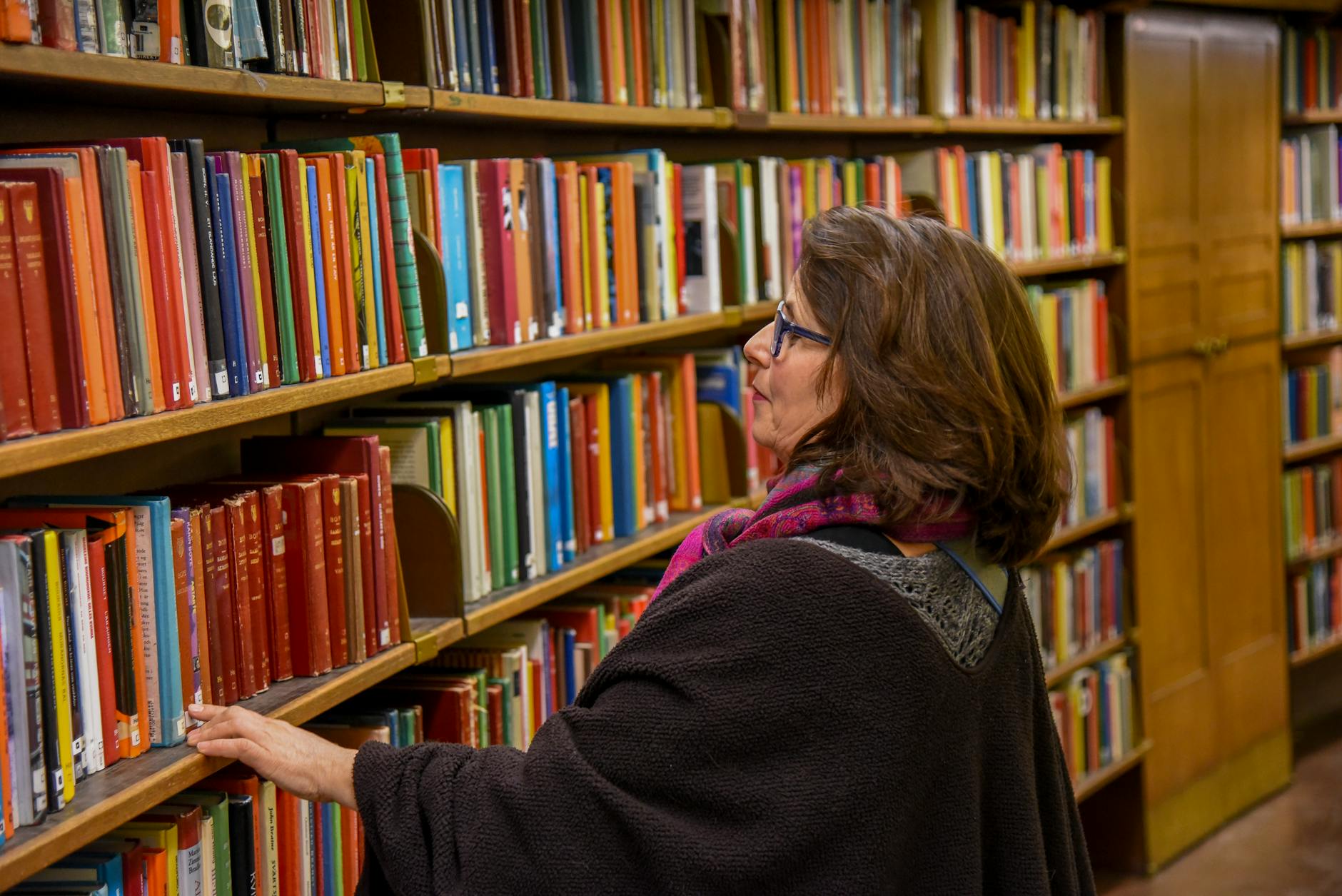
The Book of Kells and the Long Room library are the reason many people come to this area. Book timed tickets online before you travel, because summer slots sell out and walk-up queues can be long. Go at the first slot of the day for fewer people. Allow about an hour to 90 minutes. The exhibition is indoors, so it works well on a wet day, and the library itself is the highlight for most visitors.
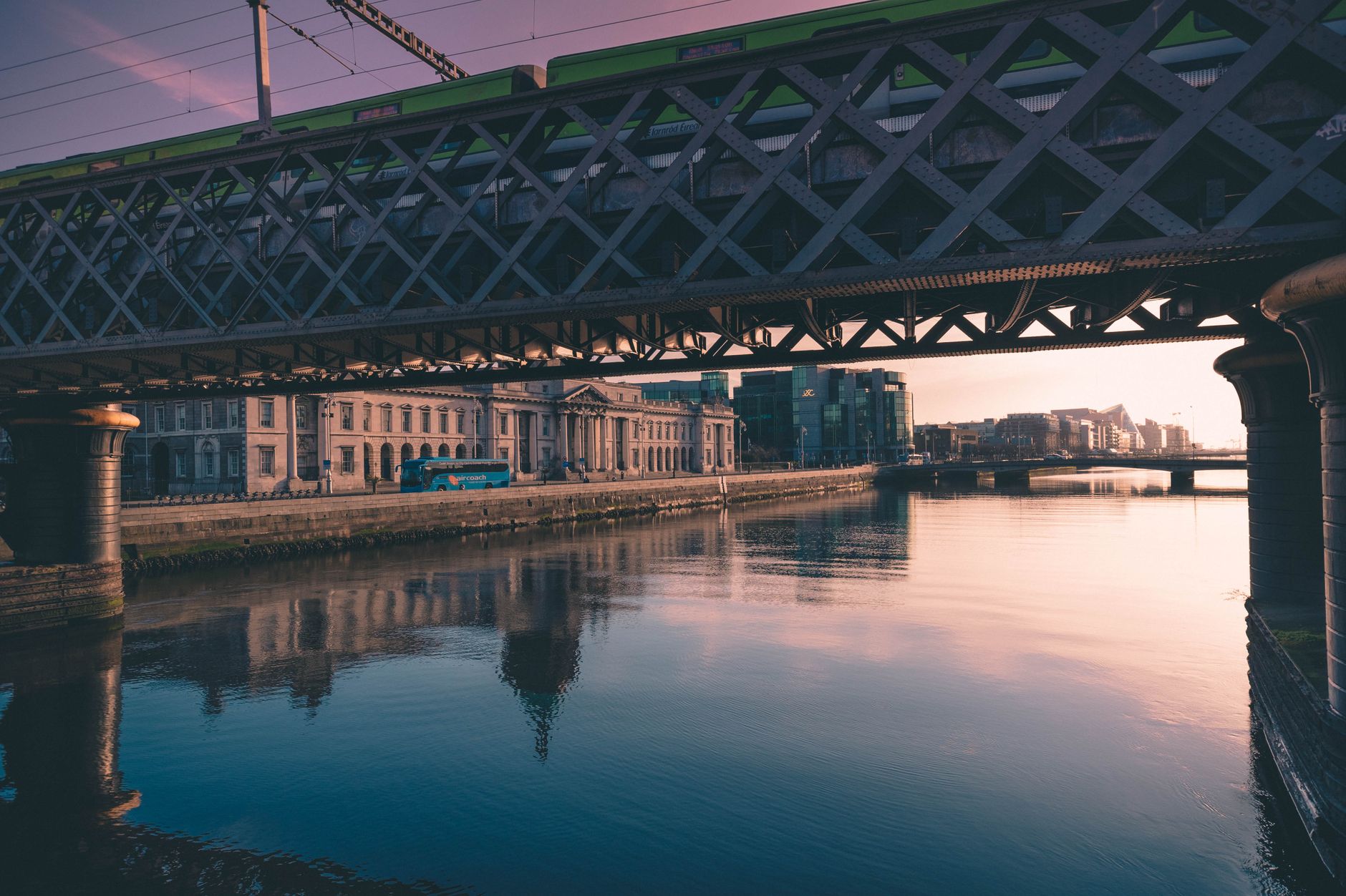
Walk west along the river from the area toward O’Connell Bridge and the older quays. It is worth it for the views across the water and a feel for the city’s shape, and it costs nothing. Best in the late afternoon light, or early morning when it is quiet. Allow 30 to 45 minutes one way, and bring a jacket because the wind along the quays is real. Watch for cyclists on the riverside paths.

Walk west from College Green to Grafton Street for shopping and street life. It is worth it as a contrast to the campus streets and to reach the restaurants and cafés around St Stephen’s Green. Go on a weekday morning to avoid the heaviest crowds, and allow an hour or two. This is a paved, level walk, so it suits most visitors, and you can combine it with a stop in the Green for a rest.

Head east from Pearse Street toward the newer docklands streets and the river. It is worth it to see the modern side of Dublin beside the old campus, and the walk along the water is easy. Best on a dry day; allow an hour. Bring a camera for the river views and the new buildings, and note that some areas are quiet in the evening, so go earlier if you want company.

Use the sandwich shops and cafés around Westland Row and Pearse Street for a quick, affordable lunch. It is worth it because this is where students and office workers actually eat, and prices are lower than the tourist-facing places. Go before 12.30 or after 2pm to avoid the queue. Allow 30 to 45 minutes, bring cash or a card, and take your food to the college railings or a nearby step if the weather is kind.
What to see
Hotels near Trinity College Area
No hotels are listed in Trinity College Area yet. The nearest ones are on the region page.


Every hotel we cover in Trinity College Area
- Staycity Aparthotels Dublin City Quay 4★ · 4.8/5
- Charles St Serviced Accommodation 3★ · 4.8/5
- The College Green Hotel Dublin Autograph Collection 5★ · 4.5/5
- The Croke Park Hotel 4★ · 4.5/5
- Kennedy’s Pub Drumcondra 3★ · 4.4/5
- Dublin Skylon Hotel 4★ · 4.3/5
- Wynn’s Hotel 3★ · 4.3/5
- The Address Connolly 4★ · 4.1/5
- Moxy Dublin City 3★ · 4.1/5
- Fairview Serviced Accommodation 3★ · 4/5
- The Bonnington Dublin & Leisure Centre 4★ · 3.8/5
- Beresford Hotel 3★ · 3.7/5
- Ripley Court Hotel 3★ · 3.7/5
- Mountjoy Serviced Accommodation 3★ · 3.6/5
- Yugo Kavanagh Court 3★ · 3.6/5
- My Place 2★ · 3.4/5
- Clifton Court Hotel 2★ · 3.3/5
- Maple Hotel Dublin 2★ · 3.3/5
- Sherrard Street Studios 2★ · 3.1/5
- Apartment Heart of Dublin City 4★
- Beaumont House 4★
- Bright 2BD Flat With Private Balcony Dublin 4★
- Central Spacious 3 Bedroom Apartment With Parking 4★
- City Centre Apts 4★
Getting around Trinity College Area
The area is easy to reach from Dublin Airport: the airport is roughly 30 to 45 minutes away by taxi or app depending on traffic, and several bus routes run to the city centre, from where you can walk or take a short taxi ride. Taxis and apps are plentiful around College Green and Pearse Street, though at peak times the streets are congested and walking is often faster. For public transport, the Luas tram lines cross the city centre near the area, and the main train stations at Connolly and Heuston are a taxi or tram ride away; Dart commuter trains stop at Pearse Station on the southern edge, which is very handy. Driving is not recommended for visitors because parking is limited and expensive; if you have a car, ask your hotel about parking before booking, as many central hotels have none or charge by the night. Once here, everything in the city core is walkable: Grafton Street is about ten minutes on foot, Temple Bar about five, and O’Connell Street across the river about ten. Pavements are busy at lunch and class-change times, and some are uneven. For longer trips, use taxis or the tram rather than moving the car.
Questions about Trinity College Area
Yes, for many first-timers it is a strong base. You can walk to Temple Bar, Grafton Street, O’Connell Street and the river in ten to fifteen minutes, and the streets are calmer at night than Temple Bar itself. The trade-off is price: rooms here are among the more expensive in the city, and the immediate area is commercial rather than residential. If you want lower prices, look toward the Liberties or Rathmines and travel in.
You can usually walk into parts of the campus during the day through the Front Gate, but access rules change, so check at the gate when you arrive. The Book of Kells and the Long Room require a ticket, and it is worth booking a timed slot online in advance, especially in summer. If you mainly want to see the buildings and squares, a self-guided walk of 30 to 45 minutes is enough.
Quieter than Temple Bar, but not silent. The area is busy with offices and students by day and empties fairly quickly in the evening. Traffic and early deliveries on Pearse Street and College Green are the main noise sources, so ask for a room set back from the street. Late at night some side streets feel empty, so stick to main routes when walking back to your hotel.
Central parking is limited and expensive, and many hotels here have no car park. Ask your hotel before booking whether they offer parking and at what nightly rate. If you are only staying in the city, it is usually cheaper and easier to leave the car outside the centre or skip it entirely and use the tram, buses and walking. Do not assume on-street parking will be available near your hotel.
The immediate streets are better for lunch than dinner, with many sandwich shops and cafés that close in the afternoon. For a proper dinner, walk ten to fifteen minutes to Grafton Street and the streets around South Great George’s Street, or toward Temple Bar. Expect central Dublin prices. On weekdays, book ahead for popular places, and ask your hotel for something within a short walk if the weather is wet.