When to Walk O'Connell Street: A Month-by-Month Guide
O'Connell Street changes character with the Irish calendar, from frosty January mornings to packed August afternoons, and picking your window matters more than picking your hotel.
Winter: quiet pavements and short days
January and February are the coldest months on O'Connell Street, with daylight lasting roughly from 8.30am to 4.30pm and temperatures that hover close to freezing on clear nights. The upside is space: the wide central median with its statues and the Spire is nearly empty at 9am, and you can photograph the GPO portico without a crowd in frame. Hotel rates in the surrounding streets, from Parnell Square down to College Green, sit at their lowest of the year, and you will often find midweek availability in properties that sell out in summer.
March brings longer evenings and St Patrick's Day on 17 March, when the O'Connell Street area hosts the main parade route and crowds build from early morning. Book accommodation well ahead for that week, and expect to pay a premium close to the street itself. Outside parade day, March is a good compromise: rain is still frequent, but the Luas Red Line stops along O'Connell Street make it easy to retreat to a museum or a covered market when the weather turns.
Spring and early summer: the sweet spot
April, May and early June are the months I would choose. Daylight runs past 9pm by late May, temperatures sit in the low teens, and the street's outdoor life returns: buskers near the Spire, tour groups gathering outside the GPO, and GAA crowds spilling out of the pubs on match days at Croke Park, a 25-minute walk or a short bus ride north. Pricing is moderate, comfortably below July and August but no longer at winter levels, and you can usually book a central hotel within ten minutes' walk of the Spire a few weeks out.
Accommodation matters here. Rooms facing O'Connell Street itself pick up traffic noise and, from spring, early-morning deliveries, so ask for a rear-facing room or choose a property one street back, toward Cathal Brugha Street or Marlborough Street. Those side streets are quieter and only two or three minutes from the Luas and the airport buses that stop along O'Connell Street.
High summer: crowds, festivals and long light
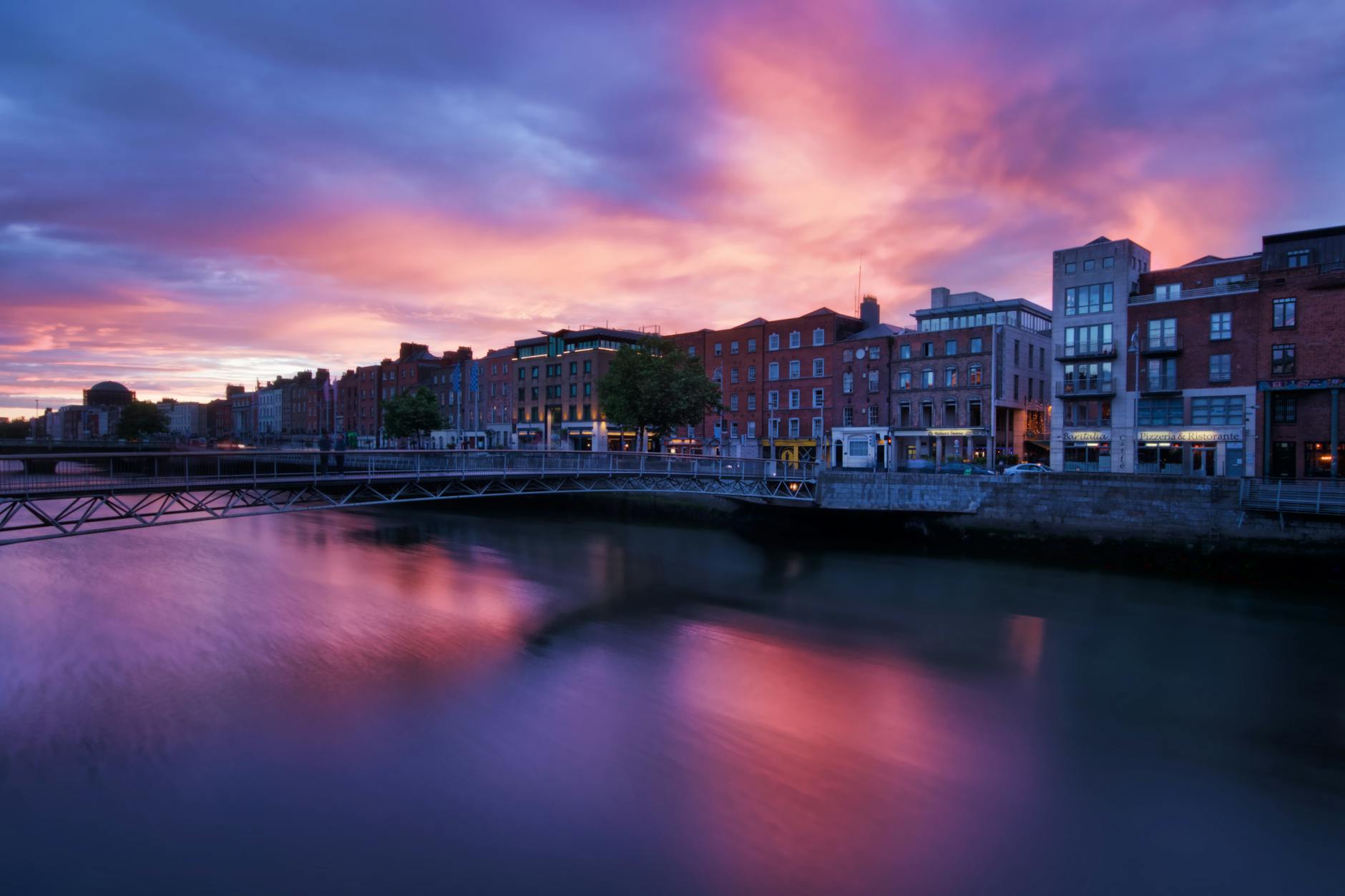
July and August are peak season, and O'Connell Street reflects it: heavy foot traffic from mid-morning, queues at the bus stops, and a general bustle that some travellers love and others find tiring. Daylight lasts until about 10pm, which makes evening walks toward the Ha'penny Bridge and Temple Bar easy and safe in practical terms. Hotel rates are at their annual high, and central properties near O'Connell Bridge and Parnell Square book out weeks in advance, particularly around the August bank holiday weekend.
If you visit in these months, I would book a hotel toward the northern end of the street or off Gardiner Street, slightly cheaper and still within a ten-minute walk of the Spire, the GPO and the Red Line. Use the early mornings for the street itself and save the middle of the day for indoor sights like the GPO Museum, then return after 7pm when the crowds thin and the light is at its best.
Autumn and the run-in to Christmas
September and October are the second-best window after spring. Temperatures stay in the low to mid teens, daylight shortens from about 8pm to 6pm, and the street returns to a local rhythm once the summer tour groups leave. Hotel prices fall noticeably from August peaks, and you can often find good midweek rates in properties around Parnell Square and Upper O'Connell Street. The Dublin Theatre Festival in late September and early October adds evening life without the crush of summer.
November is quiet and often grey, but it is cheap. December transforms the street: the Christmas lights switch-on draws large crowds, and the GPO and surrounding shops stay busy through the evenings. Book December weekends early, expect higher rates close to the street, and don't plan on a quiet evening stroll. If I were booking for a first Dublin trip, I would take the second week of May or the last week of September, stay one block off O'Connell Street, and use the Luas Red Line to reach Heuston and the Docklands.
Before you book
What people ask before booking Temple Bar.
January and February are consistently the quietest, with the lowest room rates of the year in the streets around Parnell Square and Upper O'Connell Street. November is also comparatively cheap before the Christmas lights switch-on, though the days are short.
Dublin Airport is roughly 10 to 12 kilometres north of O'Connell Street. The express coach takes around 25 to 40 minutes depending on traffic, and Dublin Bus routes 16 and 41 also serve the street. Allow extra time on weekday mornings.
Book two to three months ahead if you want a hotel within walking distance of the O'Connell Street parade route. The 17 March week is the busiest of the spring, and central properties close to the Spire and the GPO fill first. Outside that week, a few weeks' notice is usually enough.