Christmas in Dublin: Staying Central Without Overpaying
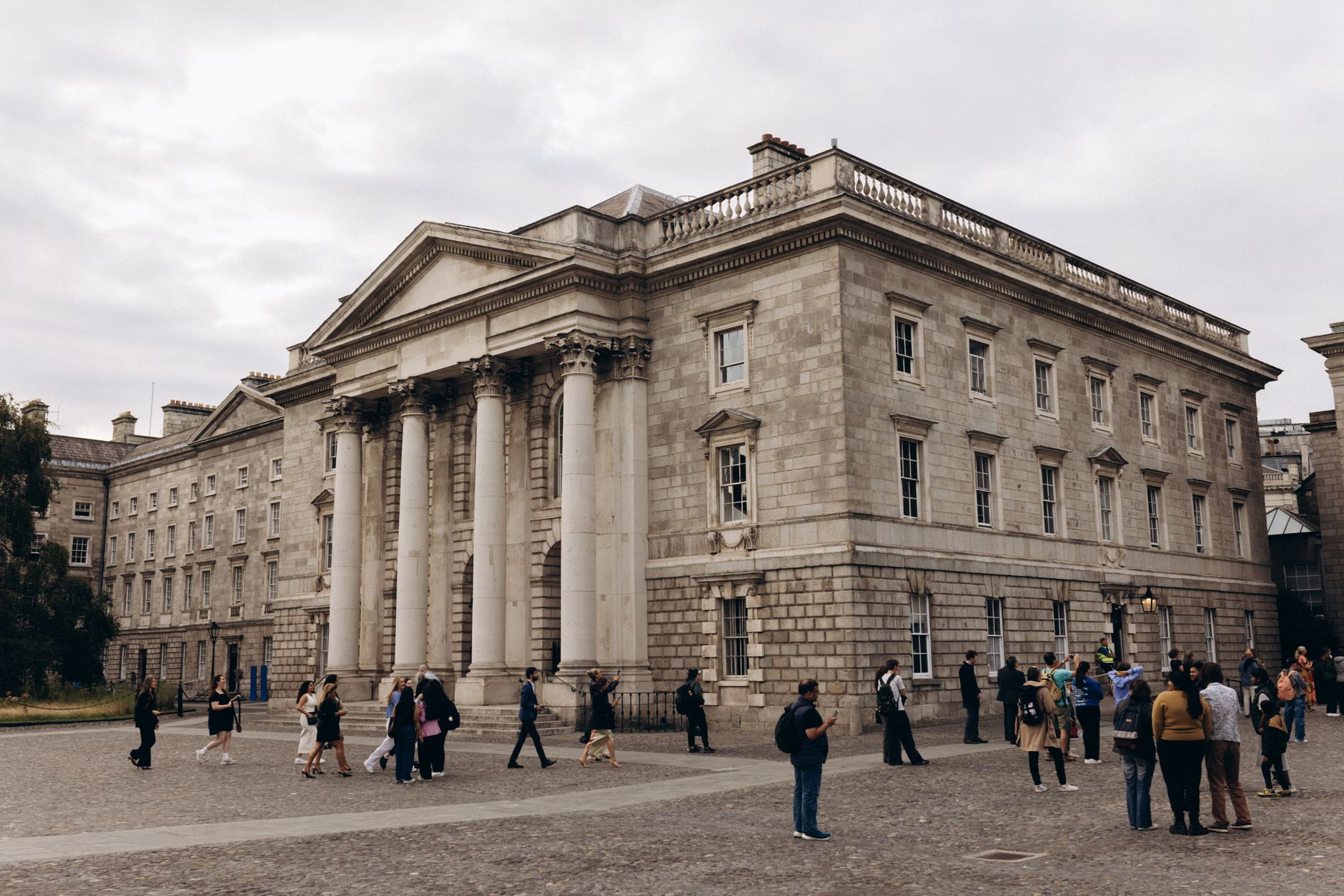
How to keep a Dublin city-centre bed for the Christmas season without paying peak rates, plus which areas give you the best value and what to book before you arrive.
Why December prices jump, and how to get ahead of them
Dublin’s hotel rates climb through December, and the sharpest spikes fall on Friday and Saturday nights in the run-up to the 25th, plus the days around New Year. Office Christmas parties, shopping weekends and concerts all push the same central beds at once. The single most effective saving is to shift your stay to Sunday to Thursday. Midweek December nights in the city centre are frequently far below the weekend rate for the same room, and the streets are quieter too.
Book early, but check the cancellation terms. Many Dublin hotels sell flexible rates that cost a little more but let you cancel up to 24 or 48 hours before arrival. That is worth paying for in December, because if a cheaper room appears later you can move. Non-refundable prepaid rates look tempting but lock you in during the season when plans most often change. Compare the flexible price, not just the headline.
Set a realistic budget rather than chasing an impossible one. Expect roughly €150–250 (about $160–270) a night for a decent three-star double in the city centre on a December weekend, and less midweek. Anything far under that in the core is usually small, far out, or both. Ask your host directly about breakfast, parking and any minimum-stay rules over the holidays, since these change the true cost more than the room rate does.
Pick your area for value, not just the postcode
Temple Bar is the most photographed quarter and the most expensive for beds. It suits people who want the pubs on the doorstep, but you pay for the postcode and hear the late-night streets. If you want central without the premium, look one or two bridges away. The area around O’Connell Street and the streets north of the Liffey tends to run cheaper than Temple Bar or Grafton Street while still being a short walk from everything.
Grafton Street and St Stephen’s Green are lovely in December, with the lights and the shopping, but they carry a premium. The Liberties, just west of the old city, is a short walk to Temple Bar and St Patrick’s but often noticeably cheaper. Smithfield, a little further north-west, has good value rooms and is on the Luas tram line. Rathmines and Ranelagh, south of the canal, are quieter, cheaper and well linked by bus, though you trade a short ride for the walk-everywhere feeling.
Think about what you will actually do. If your trip is shopping and Christmas markets, a bed near Grafton Street or O’Connell Street saves taxi fares and time. If it is pubs and music, the edges of Temple Bar and the Liberties work well. If it is a quiet base with easy transport, look at the canal suburbs. Match the area to your plans, and the money follows.
Book the bed early, leave the rest flexible
Reserve accommodation as soon as your dates are firm. Dublin’s central room stock is finite, and December weekends sell out well in advance. Booking three to four months ahead is normal for a good central room at a fair price. If you are set on a specific hotel, book it, then keep watching; a flexible rate lets you rebook if something better appears, and it rarely does in the final weeks.
Check what the rate includes before you compare. City-centre hotels often charge extra for breakfast, and Dublin hotel parking is scarce and pricey, so if you are arriving by car, confirm a space in advance rather than assuming. Many central hotels do not have parking at all. If you are coming by train or bus, ignore parking entirely and prefer a hotel near a Luas or Dart stop.
Ask about holiday opening times when you book. Some hotel restaurants and bars run reduced hours over the Christmas period, and reception may be short-staffed on the 25th and 26th. A quick email to your host about check-in times, late arrivals and whether anything closes on the day you arrive saves confusion. Small hotels and guesthouses are often more flexible about arrival times than large ones if you tell them in advance.
Getting around without adding to the bill
Dublin’s centre is compact enough to walk, and in December that is often faster than any vehicle. Temple Bar, Grafton Street, O’Connell Street and the two cathedrals all sit within a comfortable walk of each other. Wear shoes you can walk in on wet cobbles, and carry a small umbrella. The city’s Christmas lights make an evening stroll part of the trip rather than a chore.
The Luas tram is the quickest way to cover longer hops, such as between Smithfield and the south side, and the Dart commuter train serves the coast. Taxis are easy to flag but surge around party nights and late evenings in December. If you are staying in the canal suburbs, check the last bus or tram time for the nights you plan to be out late, since services thin out after midnight.
If you are flying in, the airport is well connected to the city by bus and coach, and some routes run through the night. A taxi from the airport to the centre is the priciest option. For a short Christmas break, the bus into town and a central bed you can walk from is usually the cheapest sensible combination. Confirm the return journey time on your departure day, because holiday traffic around the airport can be worse than usual.
What to do that costs little or nothing
The Christmas lights and shop windows along Grafton Street and O’Connell Street are free and best seen after dark. St Stephen’s Green and the smaller Georgian squares give you a calm green walk between shopping stops. The old city around Trinity College and the Liffey bridges is worth a wander for the architecture alone, and the riverside path makes a pleasant loop on a dry afternoon.
Dublin’s pubs are the classic winter refuge, and many have open fires and music in December. You do not need to spend a fortune: a pint and a seat by the fire in a quiet pub off the main drag costs far less than a table in a tourist-strip bar. The Liberties and the streets around Smithfield have plenty of characterful pubs away from the crowds. Ask your host for their local; locals usually know the quiet ones.
Museums and galleries give you a warm, dry afternoon for little or nothing. Several of Dublin’s national museums are free to enter, which makes them ideal on a wet December day or when you want a break from the shops. Check opening days over the holiday period, since some close on the 24th, 25th and 26th. Book any paid attraction in advance to avoid queues, and save the indoor options for the days the weather turns.
Eating and drinking on a Christmas budget
Dublin restaurant prices are highest in the city centre and in Temple Bar, where you pay for the location. Walk ten minutes in almost any direction and the same meal gets cheaper. The Liberties and the streets around Smithfield and the north side of the Liffey offer good value, and the canal suburbs have neighbourhood restaurants that cost less than their city-centre equivalents.
Breakfast is where a hotel rate can quietly cost you. If your room does not include it, a cafe near your hotel is usually cheaper and better than an add-on. Lunch is often the best-value meal out: many restaurants charge noticeably less at midday than in the evening for similar food. Booking a lunch instead of a dinner is one of the easiest ways to cut your food bill without missing out.
Book any Christmas Day or Christmas Eve meal well ahead. Many restaurants close or run limited menus on the 25th, and the ones that open fill up. Ask your hotel whether their kitchen is open over the holidays or whether you will need to eat elsewhere. A self-catering apartment or a room with a kettle and fridge is a quiet money-saver if you plan to be in the city for several days and want to keep breakfast and snacks simple.
Cold, rain and the small things that save money
December in Dublin is cold and often wet, with short daylight hours. Pack layers, a waterproof coat and comfortable walking shoes rather than an umbrella alone, because wind makes umbrellas unreliable. A warm hat and gloves cost little and make long walks between sights far more pleasant. Wet weather can close outdoor plans quickly, so have an indoor backup for each day.
Small habits add up. Fill a water bottle rather than buying drinks constantly, carry a reusable bag for shopping, and use contactless payment on buses and trams instead of buying single paper tickets. Many attractions offer family or combined tickets that cost less than buying separately. If you are visiting several paid sights, check whether a city pass suits your plans before you buy one; they only save money if you actually use them.
Finally, protect your trip. Travel insurance that covers delays and cancellations is worth considering for a winter city break, and it lets you book a cheaper non-refundable rate with less worry. Keep your booking confirmations on your phone and note your hotel’s direct phone number in case of a delayed arrival. A little planning around the cold, the crowds and the holiday closures is what separates a smooth Christmas break from an expensive one.
Before you book
What people ask before booking Temple Bar.
Book as early as your dates are fixed, ideally three to four months ahead. Central December weekends sell out, and good rooms at fair prices go first. Choose a flexible, cancellable rate so you can rebook if a better deal appears. Midweek nights are usually cheaper and easier to find than weekend nights.
Temple Bar and Grafton Street carry a premium. The Liberties, Smithfield and the streets around O’Connell Street on the north side of the Liffey often cost less while staying walkable to the main sights. The canal suburbs of Rathmines and Ranelagh are cheaper again but need a short bus or tram ride.
Rates vary, and the 25th itself can be quieter for some hotels but pricier for others that offer a package. The bigger spikes fall on party nights and weekends before the 25th and around New Year. Check minimum-stay rules over the holidays, as some hotels require two or three nights.
Much of the city closes on the 25th, including many shops, restaurants and some museums. Pubs and attractions vary. Ask your hotel in advance whether their kitchen or bar is open and arrange a meal ahead if you want one out. Plan a quiet walk and use the day to rest rather than expecting full service.
Generally no. The centre is compact and walkable, and public transport covers longer hops. City-centre parking is scarce and expensive, and many hotels have no spaces. Arriving by bus or train is simpler and cheaper. If you must drive, confirm parking with your hotel when you book.
Look beyond Temple Bar and the main shopping streets for restaurants, book lunch rather than dinner, and skip hotel breakfast if it is an add-on by using a nearby cafe. Self-catering rooms and apartments help if you stay several days. Book any Christmas Day meal well ahead, as many kitchens close or fill up.


