Day Trips from Dublin: Short Escapes by Train and Bus
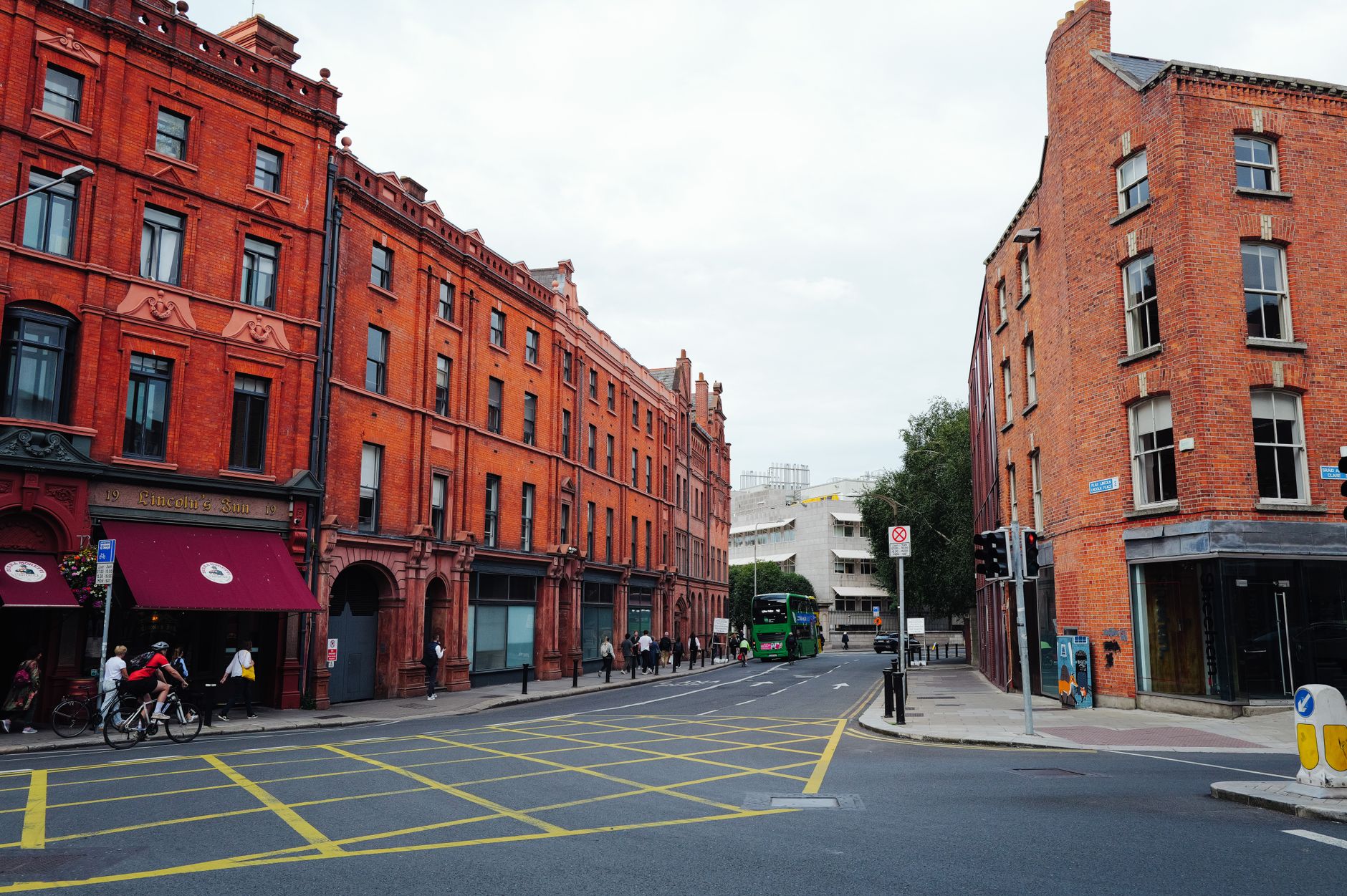 A bustling urban street with red brick buildings and a green bus passing by.
A practical guide to getting out of Dublin for a day by train and bus, with honest notes on timings, fares and what is actually reachable without a car.
Where you can actually reach and back in a day
Dublin is well served for car-free day trips. The realistic radius runs from the coast and the hills just south and north of the city up to places about two hours away by rail. Anything beyond roughly two hours each way leaves you with only a few hours on the ground, which is fine for a town but not for a hike or a long coastal walk. Pick one target per day and resist the urge to chain two together.
Use the journey as the filter. Irish Rail covers the main intercity and commuter lines, and Dublin Bus plus private operators fill the gaps. Before you commit, check the first useful departure of the morning and, more importantly, the last reasonable return in the evening. A day trip is defined by that last connection. If the final train or bus leaves at 18:30, plan your day around being back at the station by 18:00.
Allow for the fact that timetables are thinner on Sundays and public holidays. What looks easy on a Saturday can become a long wait on a Sunday, and some rural bus routes only run on certain weekdays. Check the operator’s own timetable rather than a map app, which can show routes that do not run on the day you plan to travel.
Coastal trips to the north and south of the city
The DART commuter rail line is the easiest escape of all: it hugs the coast from the city centre north to Howth and south to Bray and Greystones. You do not need to book, you can tap on and off with a Leap card, and the whole line is short enough that you can be on a clifftop within 45 minutes of boarding. Howth has a cliff walk and a working harbour; Bray has a long seafront and a hill walk behind it.
These are popular for good reason, so treat weekends as busy. Go early to get a quieter walk and a chance of a seat on the train back. If you want something less crowded, stay on past the first obvious stop, or pick a weekday. Fares are modest, and a Leap card keeps it simple; expect a few euro each way rather than a premium tourist rate.
The coast is exposed, so weather decides the day more than your plans do. Bring a layer even in summer, wear shoes with grip for clifftop paths, and keep an eye on the sea state if you plan to walk near the water. There is no need to book anything in advance, which makes these the best fallback trips for a changeable Irish forecast.
Going south and west: hills, heritage towns and long walks
South of the city, the commuter rail reaches quieter towns and the edge of the Wicklow hills, and buses run to the better-known mountain valleys. This is where you go if you want a proper walk rather than a promenade. Distances between stops are real, and a route that looks short on a map can take an hour on foot, so match your ambition to the daylight and the bus schedule.
West and north-west, the intercity lines and express buses open up heritage towns and canal-side countryside. These are pleasant for a slow day of walking, coffee and a look at old streets, but they reward people who do some reading beforehand. Check whether the main attraction has its own published opening hours, and do not assume something is open because a guidebook from years ago says so.
One practical point on rural buses: many stop in the middle of a village or at a crossroads rather than at a station with facilities. Know the name of your return stop and the exact time. Ask the driver when you arrive if you are unsure. Drivers on local routes are generally helpful and are a better source than any app for how the day actually works.
Booking, fares and the Leap card
For commuter trains and city buses you usually do not need to book; a Leap card or contactless payment covers most short journeys, and it is cheaper than buying single paper tickets. For intercity trains, booking ahead on the operator’s website is normally cheaper than turning up, and popular weekend services do sell out. Book a return and pick a specific train if you want certainty.
A Leap card is worth getting if you plan more than one trip. It works across Dublin Bus, the commuter rail and the tram, and it caps your spending in a way single tickets do not. You can buy and top up at machines and at many newsagents in the city centre. Ask at your hotel reception where the nearest top-up point is; they will know the local shop.
Do not rely on exact fares quoted in older articles, including this one. Prices change. Treat any figure here as a rough guide in euro, with a rough dollar equivalent only for scale, and confirm the current fare with the operator before you travel. Keep a little cash for rural buses and small cafes where card machines can be unreliable.
Building a day that fits the timetable
A good day trip has slack in it. Aim to arrive by mid-morning, do one substantial thing, eat, and do one smaller thing before heading back. Trying to fit three attractions around a fixed bus creates a rushed, anxious day where you remember the timetable rather than the place. If you are staying in the city centre near O’Connell Street or Trinity College, most main stations and bus stops are a short walk or one tram stop away.
Pack for a full day: water, a snack, a waterproof layer and a phone charger. Rural Ireland has dead spots and short battery life is the most common reason people miss a bus. Download an offline map before you leave the city. If you are walking, tell someone at your hotel roughly where you are going and when you expect to be back.
Finally, decide in advance what your bail-out is. If the weather turns, the walk is harder than expected, or you simply like a town more than you thought, having an earlier return option matters. Look up the second-to-last connection as well as the last. That single piece of preparation turns a rigid plan into a relaxed one.
Making it work with a hotel base in Dublin
Where you stay in Dublin shapes your day trip. Hotels around Connolly and Heuston stations make early trains easy; the Grafton Street and St Stephen’s Green areas put you close to the DART and the Green Line tram, which is handy for coastal trips. If you are near Temple Bar or the Liberties, you can walk to most departure points, which saves a taxi before dawn.
Ask your host two questions the night before: which station or stop is best for your destination, and what time you should leave the hotel. Locals give better answers than maps because they know about weekend engineering works, which close or divert rail lines and can add a replacement bus to your journey. Check the operator’s service updates the evening before and again in the morning.
Keep the final night of your stay in Dublin. A late return from a day trip plus a morning flight is a stressful combination. Give yourself a cushion, eat near your hotel, and leave the packing for the morning. The pleasure of these short escapes is that they are simple; protect that simplicity and you will get far more out of a week based in the city.
Before you book
What people ask before booking Temple Bar.
For short commuter trips such as the coastal DART line, no: just tap a Leap card or contactless and travel. For longer intercity journeys, booking on the operator’s website ahead of time is usually cheaper and secures you a seat on busy weekend services. Book a return and check the last train back before you commit.
The coastal DART line is the easiest and most reliable, taking you to seaside towns and cliff walks in under an hour with no booking needed. It suits a changeable forecast because you can decide on the morning. Longer trips to hill country or heritage towns are rewarding but need more timetable planning.
Treat published fares as a rough guide only, since prices change. Short commuter journeys cost a few euro each way, and a Leap card usually works out cheaper than single paper tickets. Longer intercity trips cost more, especially at short notice. Add money for food and any attraction entry, and confirm current fares with the operator.
Yes, but check timetables carefully. Some rural bus routes run reduced or no service on Sundays, and rail engineering works often happen at weekends. Look at the operator’s own timetable and service updates the day before, not a general map app, and plan around an earlier return than you would on a weekday.
Bring water, a snack, a waterproof layer and a charged phone, plus a power bank if you rely on your phone for maps. Download an offline map before leaving the city, since rural areas have patchy signal. Wear shoes with grip for hill or coastal paths, and carry a little cash for small cafes and rural buses.
For places within about two hours by rail, a day trip from a Dublin hotel works well and saves you packing twice. If you want a long hike, a late evening or a very early start, an overnight stay at the destination is calmer. Either way, keep your final night in Dublin before a flight and avoid squeezing a late return into a travel morning.


