Museums and Galleries Near Dublin’s Main Hotel Areas
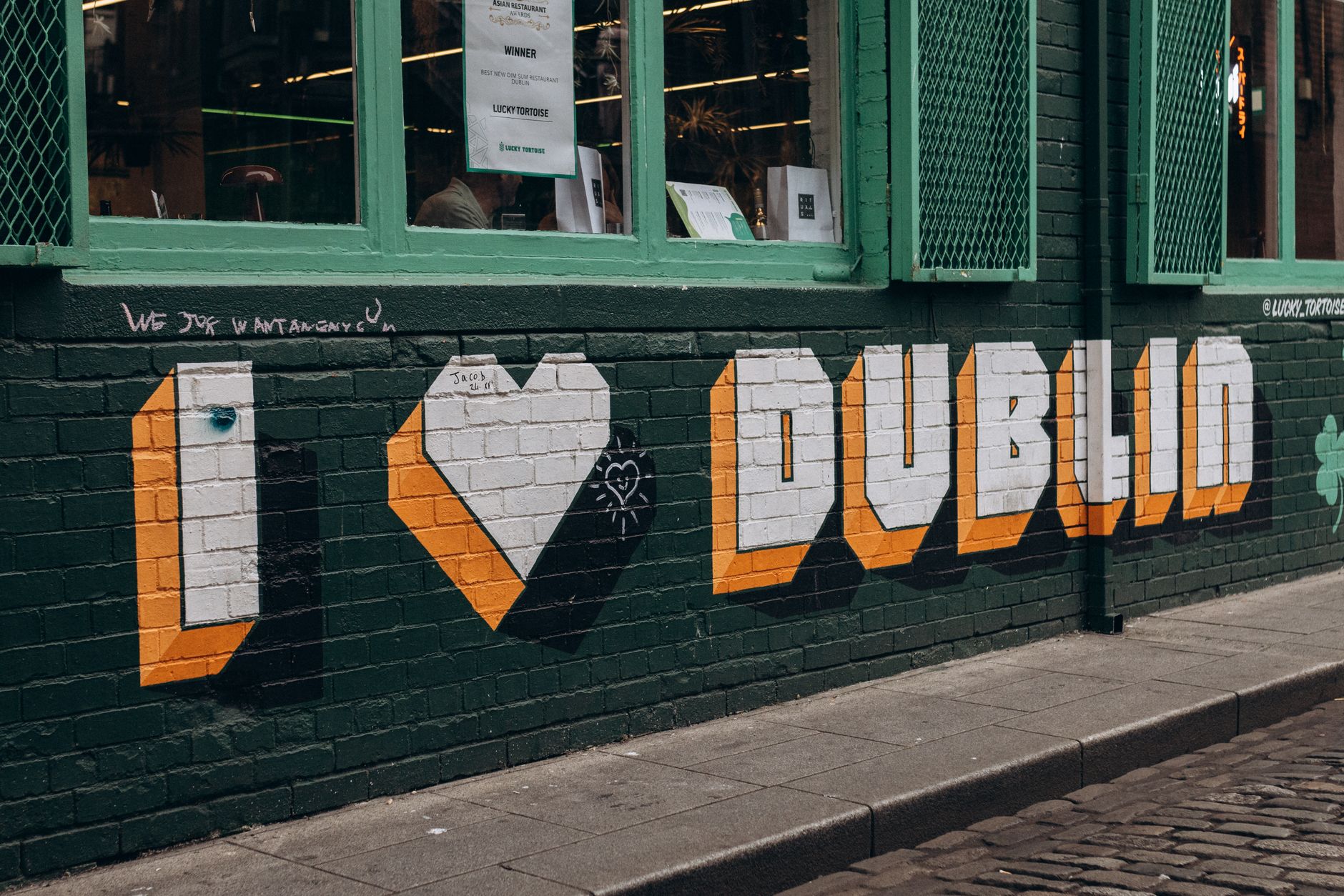
A practical guide to Dublin’s museums and galleries, matched to the hotel areas they sit closest to, with honest notes on entry fees, timing and what is worth your morning.
Starting with the free national collections
Dublin’s best value culture is the State-run national collection, and most of it costs nothing. The National Museum of Ireland splits across several sites: Archaeology on Kildare Street, Natural History on Merrion Street, Decorative Arts and History at Collins Barracks in Smithfield, and Country Life out in County Mayo. All four Dublin sites are free to enter, which makes them the obvious first stop if you are watching your budget.
The National Gallery of Ireland sits just off Merrion Square, with its main entrance on Merrion Square West. General admission to the permanent collection is free, and there is a decent café and a shop inside. Temporary exhibitions may carry a charge, so check the day you plan to go rather than assuming. Allow two hours for a focused visit; the building itself rewards a slow walk.
A useful habit for any Dublin museum trip: check opening days before you travel. Several national institutions close on Mondays, and bank holiday hours can differ from the printed week. Confirm on the official website the evening before you go, especially in winter when daylight is short and a wasted morning stings.
Temple Bar and Trinity College: the tightest cluster
If you are staying in Temple Bar or around Trinity College, you are inside the densest run of sights in the city. Trinity College itself holds the Book of Kells and the Long Room in its library; entry is ticketed and timed slots are the norm in peak season, so book ahead online rather than queuing at the gate. The campus is free to walk through outside ticketed areas.
From there, the National Museum of Ireland Archaeology on Kildare Street is a few minutes on foot, followed by the National Gallery just beyond. You can string these together in a single half-day without touching public transport. The archaeology collection includes the Ardagh Chalice and the Tara Brooch, and the building’s Victorian hall is worth seeing even if you skip the cases.
Temple Bar itself is better for an evening than a morning. Its narrow streets hold small commercial galleries and photography spaces rather than major institutions, and opening hours there lean late. Treat the area as a base and walk south and east for the big collections; you will spend less time queuing and more time looking.
Grafton Street, St Stephen’s Green and Merrion Square
The Grafton Street and St Stephen’s Green area is the most comfortable place to stay if museums are your priority. From the Green, the National Museum of Ireland Archaeology and the National Gallery are both within a ten to fifteen minute walk, with the Natural History museum on Merrion Street in between. None of these requires a bus or a taxi.
St Stephen’s Green Shopping Centre and the streets around it hold smaller galleries and craft shops rather than headline institutions. The Royal Hibernian Academy on Ely Place is a short walk from the Green and shows changing exhibitions of Irish and international work; admission is generally free, though it is worth checking current hours because it keeps shorter days than the national museums.
Merrion Square adds a literary angle: the square’s Georgian terraces and park are free to walk, and the area around it suits an unhurried afternoon between gallery visits. If you are travelling with children, the Natural History museum, often called the Dead Zoo, is small, free and quick — a good 45-minute stop that does not test anyone’s patience.
The Liberties, Smithfield and Collins Barracks
West of the centre, the National Museum of Ireland Decorative Arts and History at Collins Barracks is the largest of the Dublin sites and, in my view, the most under-visited. It covers furniture, silver, ceramics, costume and military history across several courtyards. Entry is free, and the Luas Red Line stops at Museum right by the gate, which makes it easy from Smithfield or The Liberties.
Smithfield and The Liberties have become the city’s gallery-adjacent quarter. Small independent spaces and studios open and close here with some regularity, so rather than chasing a specific name, ask your host what is currently showing within walking distance. The area around Blackhall Place and the streets off Thomas Street reward wandering, but check opening hours — many small spaces run limited days.
The Irish Museum of Modern Art at Royal Hospital Kilmainham is a short bus or Luas ride further west and holds the national collection of modern and contemporary art. General admission is free, the building and grounds are impressive, and the formal gardens are free to walk. Combine it with a look at Kilmainham Gaol next door, but note the gaol is ticketed and sells out, so book separately and well ahead.
Docklands, Ballsbridge and O’Connell Street
The Docklands has fewer traditional museums but a strong run of contemporary and commercial galleries, often in converted warehouses along the quays. EPIC The Irish Emigration Museum sits in the CHQ Building at George’s Dock and is ticketed; it is a well-made, technology-heavy exhibition that suits a wet afternoon. The Jeanie Johnston famine ship is moored nearby, also ticketed.
Ballsbridge is quieter on the museum front. Its appeal is the proximity to the National Gallery and Merrion Square via a twenty-minute walk or a short bus ride, plus the Aviva Stadium and the embassy district. If you are staying here for a match or a conference, plan your culture as day trips into the centre rather than expecting galleries on the doorstep.
O’Connell Street is a transport hub more than a gallery district, but it puts you on the Luas and numerous bus routes, so every museum in this guide is within reach. The Hugh Lane Gallery on Parnell Square, a short walk north, holds a fine modern collection and Francis Bacon’s studio, reconstructed piece by piece. Admission is generally free; check current hours, as it runs shorter days than the national museums.
Georgian Dublin and the smaller house museums
Around Merrion Square and Fitzwilliam Square, the appeal is the Georgian townscape itself. The little houses and doorways are the exhibit, and several institutions occupy restored Georgian buildings. The National Gallery’s wings and the nearby Merrion Square park make a natural loop; the park is free and open daily, with a statue of Oscar Wilde on one corner.
Dublin has a number of small house museums and literary centres that charge modest entry, typically in the region of ten to fifteen euro, with concessions for students and seniors. Rather than naming and pricing each one, the practical advice is to pick one that matches your interest, book ahead if it is small, and expect limited opening days. Ask your host which are currently open, as small venues change schedules seasonally.
Merrion Square and the streets around it are also where you will find commercial galleries showing Irish painting and sculpture, generally free to browse during business hours. They are a good rainy-day alternative when the national museums are crowded, and you can see serious work without a ticket. Opening hours follow office patterns, so go on a weekday afternoon rather than a Sunday.
Practical planning: tickets, timing and money
The money question is simpler than most cities: Ireland’s national museums and the National Gallery are free for the permanent collections, so a culture-heavy trip here can cost very little. Ticketed exceptions include the Book of Kells at Trinity, EPIC, the Jeanie Johnston and Kilmainham Gaol. Budget roughly fifteen to twenty-five euro per paid attraction, and add USD in brackets when planning, since exchange rates move.
Timing matters more than budget. Most national institutions open around 10am and close in the late afternoon, with at least one late evening during the week at some sites. Mondays are the common closing day, so build your itinerary around that. Peak summer weekends bring school groups and tour buses to Trinity and the archaeology museum; go early or late in the day to avoid the worst of it.
Bring a light rain jacket rather than an umbrella for the walks between sites, and wear shoes you can stand in for two hours. Dublin’s museum distances are short but the pavements are busy. If you are staying in Temple Bar, Grafton Street or St Stephen’s Green, you can cover the major free collections on foot across two days without buying a transport ticket at all.
Before you book
What people ask before booking Temple Bar.
The National Museum of Ireland sites in Dublin — Archaeology on Kildare Street, Natural History on Merrion Street, and Decorative Arts and History at Collins Barracks — are free to enter, as is the permanent collection at the National Gallery of Ireland. Ticketed exceptions include the Book of Kells at Trinity College, EPIC in the Docklands, the Jeanie Johnston and Kilmainham Gaol. Always check the official site for current hours and any exhibition charges.
Grafton Street and St Stephen’s Green put you within a ten to fifteen minute walk of the National Gallery, the archaeology museum and the Natural History museum, with no transport needed. Temple Bar and the Trinity College area are similarly close. If you want Collins Barracks and the west-side collections, Smithfield or The Liberties is the better base, with the Luas Red Line connecting you.
Yes, in practice. The Book of Kells exhibition at Trinity College uses timed entry and sells out on busy days, particularly in summer. Book online before you travel and pick an early slot if you want the Long Room with fewer people. Your ticket covers the exhibition and the library; the campus itself is free to walk through outside ticketed areas.
Several national institutions close on Mondays, and bank holiday hours can differ from the standard week. Rather than relying on a general rule, check the official website for each museum the evening before you visit. Small independent galleries often keep even shorter hours, opening Wednesday to Sunday or by appointment, so ask your host what is currently open nearby.
Less than you might expect. A day built around the free national collections and the National Gallery can cost nothing beyond food and transport. If you add one ticketed attraction, budget roughly fifteen to twenty-five euro per person, with concessions for students and seniors. Kilmainham Gaol and the Book of Kells are the ones to book ahead, as they sell out rather than discount.
From Temple Bar, Grafton Street, St Stephen’s Green or the Trinity College area, yes — the National Gallery, the archaeology museum and the Natural History museum are all within about fifteen minutes on foot of each other. Collins Barracks, IMMA at Kilmainham and the Hugh Lane Gallery are further out and easier by Luas or bus. Wear comfortable shoes; the pavements are busy.


