Summer in Dublin: Booking Advice and What to Expect

How summer really feels in Dublin, when to book a hotel, what rooms cost, and the practical moves that keep a June-to-August trip easy.
What summer actually feels like in Dublin
Dublin in summer is mild rather than hot. Daytime temperatures usually sit somewhere between 15 and 20 degrees Celsius, occasionally nudging higher during a settled spell, and evenings drop to around 10 to 13. The phrase you will hear constantly is that you can get four seasons in one day, and it is not exaggeration: a bright morning can turn to drizzle by lunch and clear again by five. Pack layers, a light waterproof jacket and comfortable shoes rather than a heavy coat or umbrellas that turn inside out in the wind.
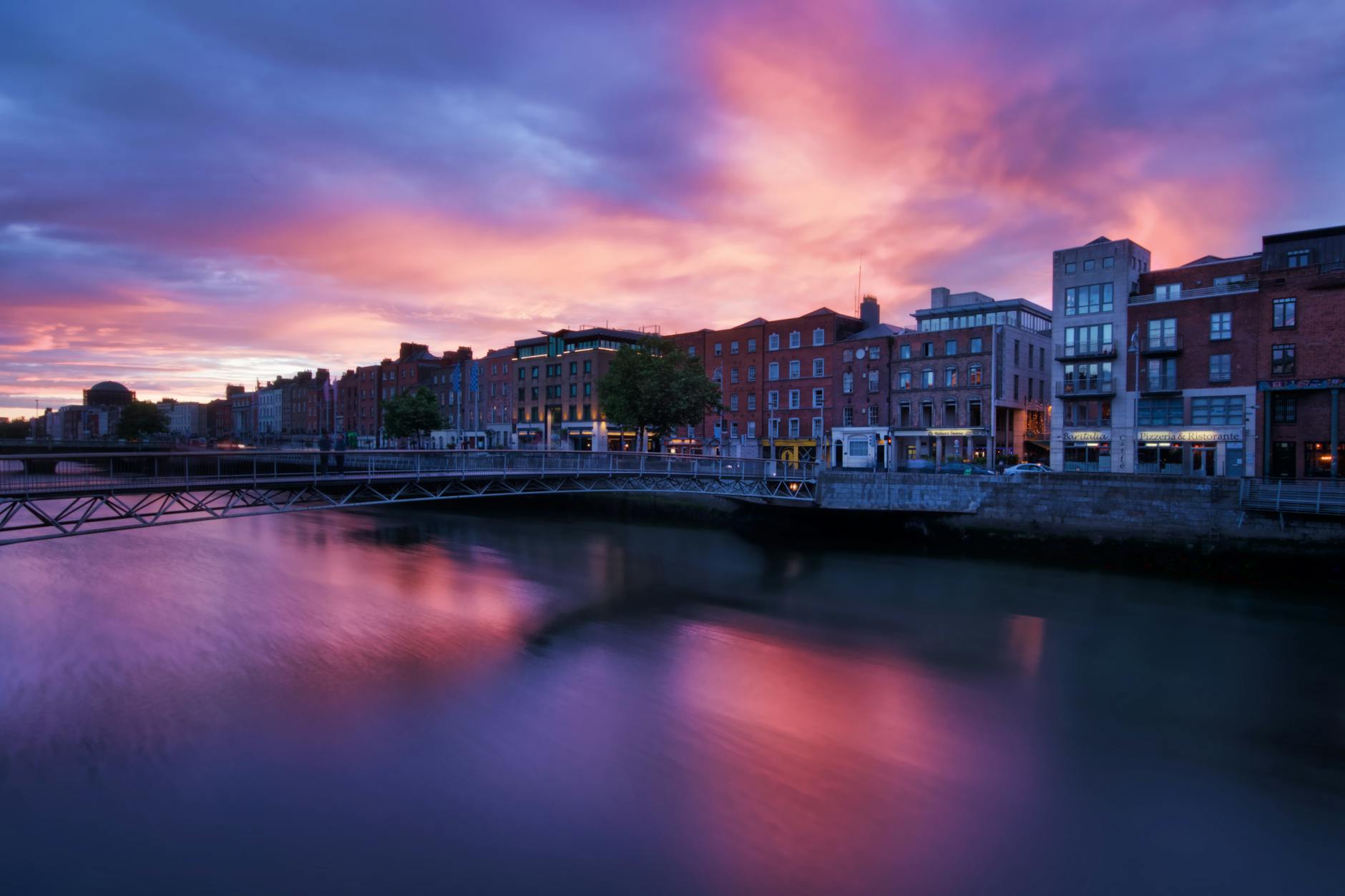
Daylight is the real luxury. Around the longest days in late June, it stays bright until roughly 10pm and well past 11pm at dusk, which means you can walk the city after dinner and still see it properly. That long evening light is why summer suits Dublin: the streets and squares stay alive without anyone needing to plan around darkness the way they do in winter.
Rain is rarely dramatic. Expect short showers, frequent cloud cover and a genuine chance of a wet afternoon in any given week. The upside is that Dublin is a compact, walkable city where a shower is an excuse to duck into a pub, a museum or a cafe rather than a reason to cancel the day. Build a loose plan with one indoor option per day and you will barely notice the weather.
When to book and how prices behave
Summer is Dublin’s busiest hotel season after the winter holiday period, and the city has a genuine accommodation squeeze. Book as early as you reasonably can — three to four months ahead for July and August is sensible, and earlier if you are fixed on a specific area or a particular weekend. Late bookings can work, but you may end up paying more or staying further from the centre than you wanted.
Prices climb sharply in peak season. Expect mid-range city-centre rooms to sit well above their spring and autumn rates, with weekend nights highest. Rates are quoted in euro (EUR), and a comfortable double in a central hotel might land in the region of 180 to 280 euro (roughly 200 to 300 USD) on a summer weekend, more for the best-known addresses. Ask about the total including any local charges rather than the headline nightly rate.
Watch for event weekends that tighten supply further. Concerts, sports fixtures and festivals can push prices up and sell out whole areas. Check what is happening in the city during your dates before you commit to a non-refundable rate. A flexible booking often costs only a little more and protects you if plans shift.
Choosing the right area for a summer stay
Where you stay shapes your summer more than you might think. Temple Bar is central and lively but noisy at night and priced for convenience; it suits people who want to be in the middle of things and go to bed late. Grafton Street and St Stephen’s Green give you shopping, the park and easy walking to most sights, with quieter evenings. O’Connell Street is a practical, busy transport spine on the north side with good value and quick access to buses and the Luas tram.
The Trinity College Area is unbeatable for first-time visitors who want everything within a short walk, and it quietens down after the day crowds leave. The Liberties and Smithfield are more characterful and a little grittier, with strong food and drink scenes and often better value. Georgian Dublin around Merrion Square is calmer and grander, while the Docklands is modern and handy for the tech district and the river.
If you want a village feel with easy access to the centre, Rathmines, Ranelagh and Ballsbridge all work well and are well connected by bus and tram. Staying slightly outside the core can cut your nightly rate and give you quieter nights, at the cost of a short commute. Decide whether you value walking everywhere or a lower bill and calmer evenings, then pick the area to match.
What to pack and how to dress
Pack for variety rather than heat. Bring a light waterproof shell, a couple of warm layers you can add and remove, and shoes that handle cobbles and the odd puddle. Evenings genuinely cool down, so a jumper or light jacket is useful after sunset. If you are sensitive to damp air, a spare pair of shoes is worth the space.
Sunglasses and sun cream are not wasted — settled summer days can be surprisingly bright, and the long evenings mean you spend more time outside than you expect. A compact day bag for an umbrella, a water bottle and a layer covers most situations. Formal dress is rarely required in Dublin; smart casual gets you into most restaurants and pubs.
For days out, comfort matters more than style. The city is walkable and you will likely cover several kilometres per day, whether around the streets, along the river or through the parks. Bring a small power bank for your phone if you are using maps and transit apps all day, and keep a little cash for smaller pubs and cafes that prefer it.
Getting around and handling the crowds
Summer brings visitors and the city centre gets busy, especially around Grafton Street, Temple Bar and O’Connell Street in the afternoons. Time your sightseeing for mornings when it is calmer, and save the busiest streets for later. The Luas tram, Dublin Bus and the DART commuter rail cover most of what a visitor needs, and a leap card makes fares cheaper and quicker than paying cash.
Walking is often the fastest way to cross the centre, and the river is your best navigator — the Liffey splits the city into north and south and helps you keep your bearings. For longer hops, the tram is smooth and frequent. Taxis and ride-hailing apps are available but can be slow and pricey in traffic at peak hours.
Book popular attractions ahead in summer. Tours and timed-entry sites fill up, and turning up hoping for a slot wastes a morning. Build each day around one booked thing and leave the rest open to weather and mood. That loose structure is the difference between a frantic summer break and a relaxed one.
Making the most of long days and local life
The long evenings are your best asset. Use them for walks along the river, time in the parks around St Stephen’s Green and Merrion Square, and lingering dinners that run past nine without feeling late. Summer is when Dublin’s outdoor life comes into its own, from riverside strolls to pavement tables at pubs and cafes.
Summer also brings a busy calendar of festivals, outdoor events and live music across the city. Check what is on during your stay and book the bigger events early. Smaller local gigs and pub sessions are part of the fabric of a Dublin summer and are worth seeking out rather than sticking only to the well-known venues.
Eat and drink where locals do. The food scenes in Smithfield, the Liberties and the streets around Grafton Street reward a little exploring, and pubs across the city serve good food without the tourist markup. Ask your host for a recommendation near your hotel — a short, honest answer from someone on the ground is usually worth more than a list you find online. That, plus a flexible plan and a light jacket, is summer in Dublin done well.
Before you book
What people ask before booking Grafton Street.
Aim for three to four months ahead for July and August, and earlier if you are set on a specific area or weekend. Summer is the busiest season and the city has limited hotel supply, so late bookings often mean higher rates or rooms further out. Check the city’s event calendar for your dates before committing to a non-refundable rate.
Mild and changeable. Daytime temperatures typically sit around 15 to 20 degrees Celsius, with cooler evenings near 10 to 13. Expect a mix of sunshine, cloud and short showers. Pack layers and a light waterproof jacket, and plan one indoor option per day rather than relying on a settled forecast.
It can be. Peak-season hotel rates are well above spring and autumn, with weekends highest, and a central double might run roughly 180 to 280 euro (about 200 to 300 USD) a night. Booking early, choosing a slightly less central area like Rathmines or the Liberties, and eating where locals eat all help keep costs down.
Light layers, a waterproof jacket, comfortable walking shoes and a jumper for cooler evenings. Add sunglasses, sun cream, a small day bag and a spare pair of shoes if damp weather bothers you. Formal clothing is rarely needed; smart casual works for most restaurants and pubs.
It depends on your priorities. The Trinity College Area and Grafton Street are best for walking to everything; Temple Bar is central but noisy; O’Connell Street is practical and good value; the Liberties and Smithfield are characterful and cheaper. Rathmines, Ranelagh and Ballsbridge offer quieter, village-like stays with good transport links.
Yes for the popular ones. Timed-entry sites and guided tours fill up in peak season, and turning up without a booking can waste a morning. Book one or two key things ahead, then leave the rest of each day open to the weather. That balance keeps a summer trip relaxed.