48 Hours in Dublin: A Two-Day Plan Between Temple Bar and Grafton Street
A realistic two-day route through Temple Bar, Grafton Street and the streets between them, with honest advice on timing, crowds and what to book ahead.

Day One Morning: Start at Trinity and the Book of Kells
Begin at Trinity College, where the campus sits a few minutes' walk from both Temple Bar and Grafton Street. The Book of Kells exhibition and the Long Room library are the main draw; timed tickets sell out in summer, so book online the week before you travel rather than turning up. Expect an hour to ninety minutes inside, plus time to walk the cobbled squares.
If you skip the exhibition, the campus itself is still worth twenty minutes, and the streets around it lead naturally toward Grafton Street. Grab coffee near College Green rather than inside the Temple Bar quarter, where prices climb with the footfall. Dublin’s centre is compact, so you will cover a lot on foot; comfortable shoes matter more than any transport pass on day one.
Keep the morning light. Trinity opens to visitors reasonably early, and the queue for the Book of Kells grows quickly after mid-morning. If you are visiting on a weekday during term, some areas are restricted, so check the visitor map at the entrance before wandering.
Day One Afternoon: Grafton Street and St Stephen’s Green
Walk from Trinity up Grafton Street, Dublin’s main shopping spine. It is pedestrianised, busy and lined with street performers, which makes it a good place to spend an unhurried hour. Side streets off Grafton, particularly around South Anne Street, hold a mix of pubs and cafes that are less crowded than the main thoroughfare at lunchtime.
At the top of Grafton Street you reach St Stephen’s Green, a walled park with lawns, a lake and plenty of benches. Entry is free, and it is the best place in the centre to sit down for half an hour. The park has several gates; the one at the top of Grafton is the most convenient for continuing toward the Georgian squares.
If shopping is not your thing, cut across to the Iveagh Gardens nearby, which is quieter and less known than Stephen’s Green. Either way, plan the afternoon loosely. Two days in Dublin reward wandering more than tight scheduling, and the distance between these areas is short enough that you can double back without losing much time.
Day One Evening: Temple Bar, With Eyes Open
Temple Bar is the city’s best-known nightlife quarter, and it is genuinely atmospheric on a weekday evening: narrow streets, painted pub fronts and live music spilling out of doorways. It is also the most expensive place in Dublin for a pint, and on Friday and Saturday nights it gets very crowded. Go for the atmosphere, not for a bargain.
A sensible approach is one drink in a Temple Bar pub for the music, then dinner on a side street or across the river, where prices are more reasonable. Prices vary widely between venues, so check the board or menu before ordering. Expect to pay noticeably more here than in pubs ten minutes away.
For a quieter night, the lanes south of Temple Bar toward Dame Street have smaller bars with less noise. If you are travelling with family, Temple Bar is fine earlier in the evening; the atmosphere changes as the night goes on. Book dinner in advance on weekends, as walk-ins struggle after about seven.
Day Two Morning: O’Connell Street and the North Side
Cross the Liffey on the Ha’penny Bridge or O’Connell Bridge and walk up O’Connell Street, Dublin’s broad northern spine. The street is wide and busy with traffic, and the main sights are the monuments along it and the General Post Office, whose facade carries bullet marks from 1916. It is a fifteen-minute walk that gives you a different feel from the south side.
From O’Connell Street, the GPO museum and the nearby shopping streets fill a morning comfortably. If you want something quieter, turn toward the Hugh Lane Gallery on Parnell Square, which holds a strong modern collection and is usually calm even in high season.
Allow about two hours for this stretch, including coffee. The north side is not as polished as Grafton Street, but it is where a lot of ordinary Dublin life happens, and the walk back across the river toward the Liberties or Smithfield sets up the afternoon well.
Day Two Afternoon: The Liberties, Smithfield or a Liffey Walk
Spend the afternoon west of the centre. The Liberties around St Patrick’s and Christ Church cathedrals has old streets, markets and a distillery visitor centre; Smithfield across the river has a square, a whiskey distillery and a calmer pace. Both are within a twenty-minute walk of Temple Bar and feel noticeably less tourist-heavy.
Christ Church and St Patrick’s cathedrals charge admission and are worth an hour between them if church architecture interests you. Otherwise, walk the Liffey quays and watch the city go by. The boardwalk and bridges give good views and cost nothing.
Build in a rest before the evening. Two full days on foot in Dublin is more tiring than the map suggests, and an hour back at the hotel makes the second night better. Ask your host about any local event on during your stay; small venues around these areas often have music or talks that are not widely advertised.
Day Two Evening: A Last Dinner and a Quiet Pub
For the final night, choose a pub away from the Temple Bar core. The streets around Grafton Street and toward Baggot Street have traditional pubs with lower prices and more room. Food in Dublin pubs is generally reliable and mid-priced; expect a main course roughly in the high teens to mid-twenties in euro, more in the busiest central spots.
If you have an early flight, keep the evening short and check your route to the airport in advance. Dublin Airport is served by coach and bus from the city centre, and the journey time varies with traffic, so allow more than you think you need for a morning departure.
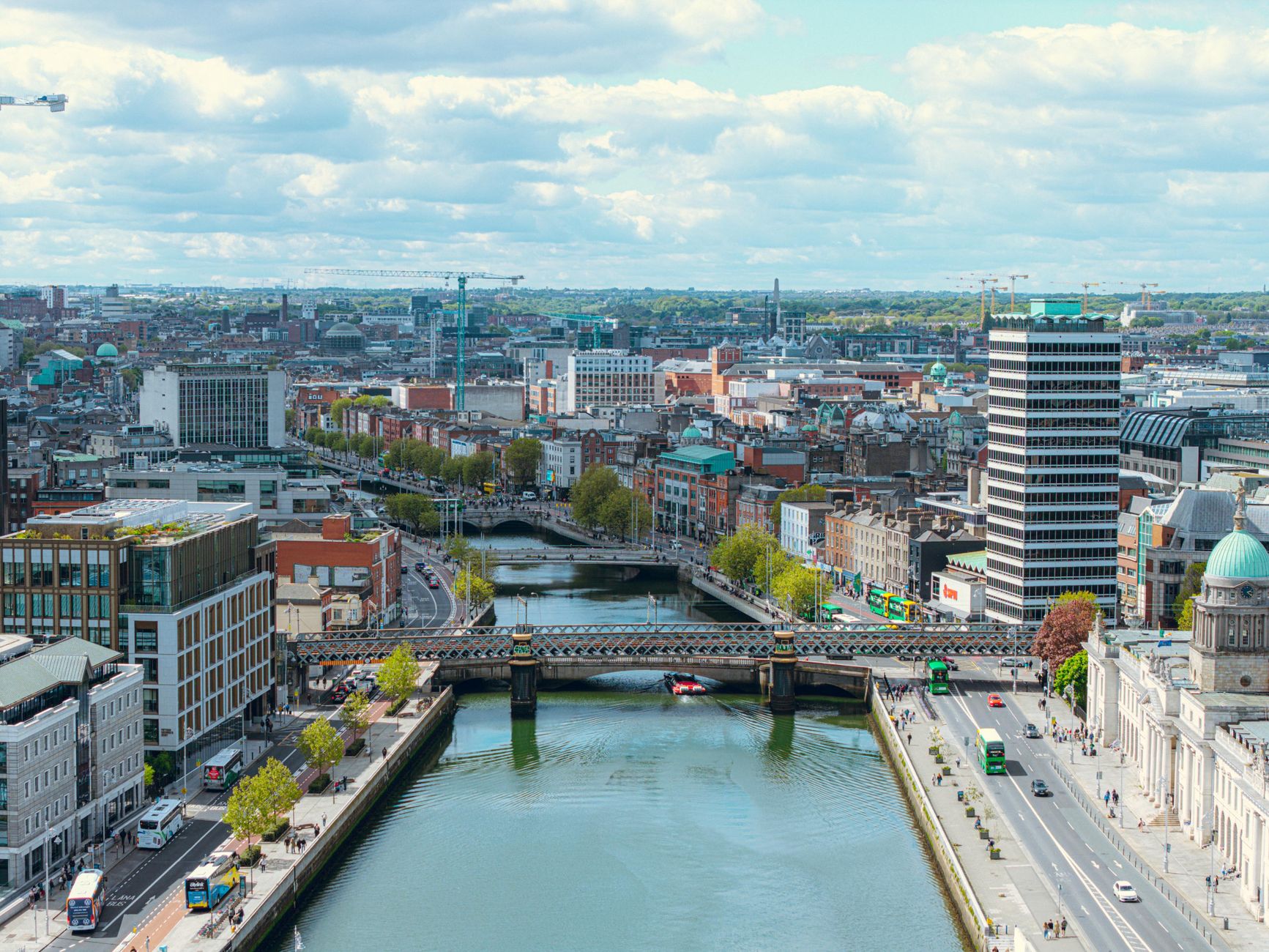
Finish with a walk across one of the Liffey bridges after dark. The river at night, with the lit bridges and the Custom House in the distance, is one of the city’s better free experiences. It is a good way to close two days that have covered the centre on foot without rushing.
Where to Base Yourself for Two Days
For a 48-hour trip built around Temple Bar and Grafton Street, stay within walking distance of both. Hotels around Trinity College, St Stephen’s Green and the streets just south of the river put everything on this itinerary within twenty minutes on foot. Temple Bar itself is convenient but noisy at night; light sleepers should look one or two streets away.
Prices in the centre are highest in summer and around major events. Book early, and compare the total including breakfast rather than the headline rate. Dublin hotel prices move quickly, so a refundable rate booked months ahead is often better value than a late deal.
If budget is tight, look at guesthouses in Rathmines or Ranelagh, both a short bus or tram ride from the centre. You trade a little convenience for a quieter street and lower rates, and both areas have good local pubs and cafes for the evenings you do not want to go back into the centre.
Practical Tips for Two Days in the Centre
Dublin’s centre is walkable, and for this itinerary you will rarely need public transport. A Leap card is worth getting if you plan to use buses or the tram more than a couple of times; it also works on the airport coach in some cases, so ask when you buy. Taxis are plentiful but expensive in traffic.
Weather changes fast. Bring a light waterproof jacket rather than an umbrella, which is awkward on crowded streets. Rain showers are common and usually short, so plan indoor stops as fallbacks rather than cancelling outdoor plans.
Book the Book of Kells and any distillery tour ahead, especially at weekends. Restaurants in the centre fill up on Friday and Saturday; reserve dinner by midday. Carry some cash for smaller pubs and markets, though cards are widely accepted. Tipping is appreciated but not obligatory; around ten percent in restaurants is normal.
Making the Most of a Short Stay
Two days is enough to see the centre properly if you accept you cannot do everything. Pick one paid attraction per day and let the rest of the time be streets, parks and pubs. The pleasure of Dublin is in the between-places: the walk from Grafton Street to Stephen’s Green, the lanes off Temple Bar, the view from a bridge.
If you have a third morning, use it for a day trip or a slower area such as the Docklands or the Georgian squares around Merrion Square. The site covers these as separate guides; for a 48-hour trip, keep them as options rather than obligations.
Finally, talk to people. Dublin’s reputation for chat is earned, and a five-minute conversation in a pub or shop often produces a better recommendation than any list. Ask where locals eat on a Tuesday, and follow the answer.
Frequently asked questions
What people ask before they set off on this one.
Two days covers the centre well: Trinity, Grafton Street, St Stephen’s Green, Temple Bar, O’Connell Street and one of the cathedral areas. You will not see everything, so pick one paid attraction per day. It is enough for a good first visit, and many people return for the areas outside the centre.
It is convenient for nightlife and central sightseeing, but it is noisy late at night and the most expensive area for drinks. Light sleepers and families often prefer hotels a few streets away around Trinity or Grafton Street, which are still within a short walk of everything on this itinerary.
Yes, particularly from spring through autumn and at weekends. Timed tickets sell out, and walk-up queues can be long. Book online a week or more ahead if your dates are fixed, and arrive at the start of your slot rather than early, as entry is timed.
It is the most expensive nightlife area in central Dublin. Expect pints and food to cost noticeably more than in pubs ten minutes away on side streets or across the river. Check prices before ordering, and treat one drink in Temple Bar as part of the experience rather than your whole evening.
Comfortable walking shoes, a light waterproof jacket and layers. Rain showers are common and short, and you will walk more than you expect. An umbrella is less useful than a hooded jacket on crowded streets. Bring a small day bag for camera and water.
Coach and bus services run frequently from the airport to the centre, and taxis are available but cost more and take longer in traffic. Journey times vary with traffic, so allow extra time for a return trip, especially for an early flight. Ask your hotel which stop is closest.
Central Dublin is busy and generally straightforward for visitors who use normal city sense: watch bags in crowds, avoid unlit side streets late at night, and keep to well-trafficked areas after dark. Families will find the parks, Trinity and the museums easy; Temple Bar is fine earlier in the evening.
Hotels in Dublin City


Hotels we cover across Dublin City
- Modern Bright 1 Bedroom Apartment in Central Dublin 3★
- Modern Loft 1 Bedroom Studio in Heart of Rathmines Dublin 3★
- Modern One Bedroom Flat in Dublin 3★
- Morehampton Townhouse 3★
- Motel One Dublin 3★
- Mount Argus Self Catering 3★
- Mountjoy Sq City Centre Accommodation 3★
- Moxy Dublin Docklands 3★
- Muse House 3★
- Nelson Street Accommodation 3★
- Newly Refurbed 2BD Trinity College & Temple Bar 3★
- Newly Renovated Christchurch 1BD Roof Garden 3★
- North Circular Studios 1 3★
- North Circular Studios 2 3★
- North Circular Studios 3 3★
- North Circular Studios 5 3★
- One Bedroom Flat Near O’connell Street 3★
- Paddy’s Palace Dublin 3★
- Parkway Guesthouse 3★
- Parnell Apartments 3★
- Parnell Boulevard Apartments 3★
- Parnell Corner Apartments 3★
- Parnell Square Apartments 3★
- Parnell St & Gardiner St Apartment 3★
More guides to Dublin City
All guides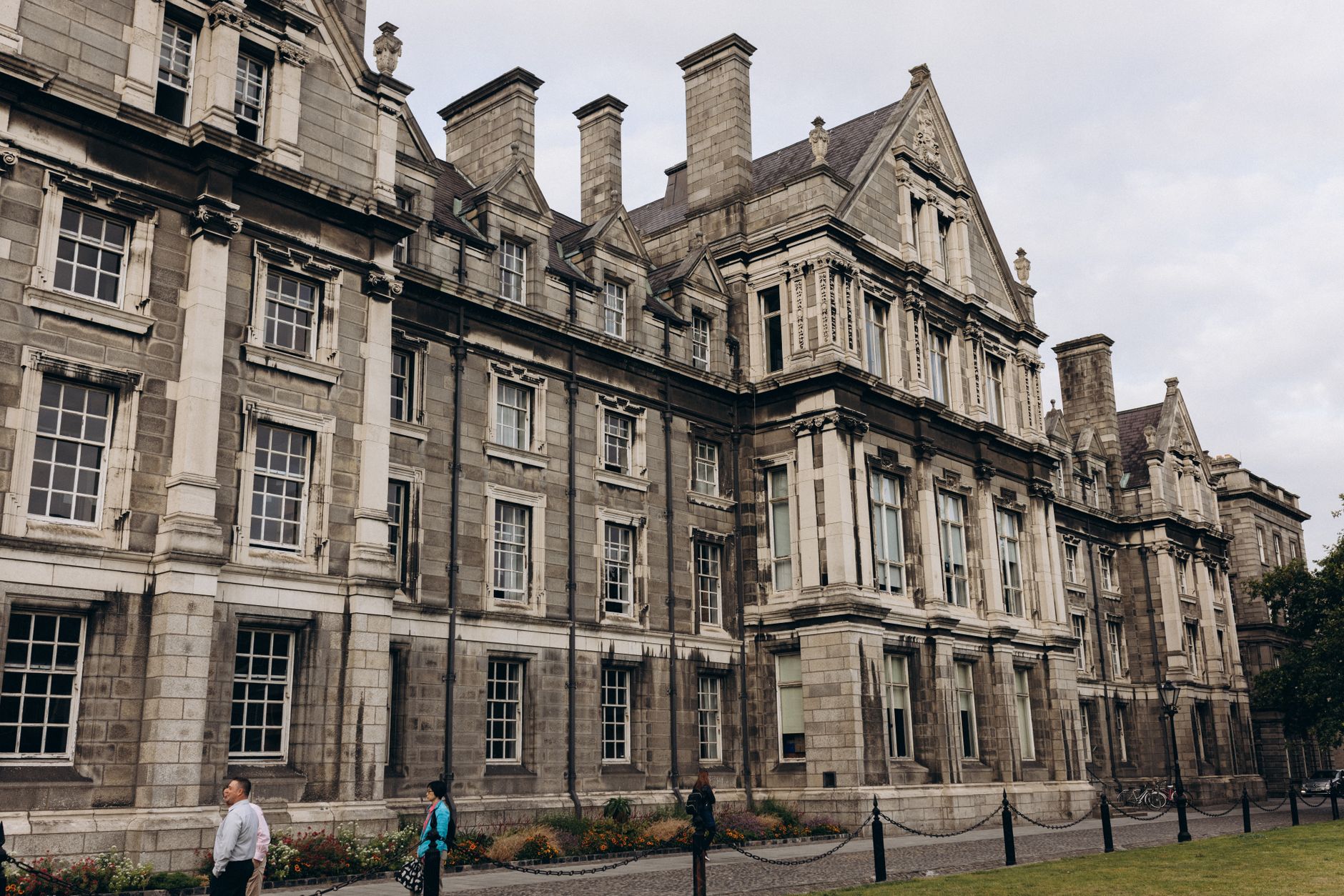 Itineraries · 11 min read
3 Days in Dublin: Trinity College, St Stephen’s Green and the Liffey at an Easy Pace
A relaxed three-day itinerary covering Dublin’s highlights: Trinity College, St Stephen’s Green, the Liffey, and cosy pubs, with honest tips on timing and costs.
 Day trips · 10 min read
Day Trip from Dublin: Malahide, Howth and the Coast by DART
How to use the DART commuter train for a full coastal day out north of Dublin, with realistic timings, ticket options and a plan that works whether you start in Howth or Malahide first.
 Essentials · 12 min read
Dublin for First-Time Visitors: Getting Around, Tipping and What to Book Ahead
A practical guide to Dublin for first-timers: how to get from the airport, use public transport, handle tipping, and which tickets and tours to book before you arrive.
Hotel prices swing with weekends, matches and concerts. Decide on an area, check two or three dates, and book when the rate looks fair rather than perfect.