3 Days in Dublin: Trinity College, St Stephen’s Green and the Liffey at an Easy Pace
A relaxed three-day itinerary covering Dublin’s highlights: Trinity College, St Stephen’s Green, the Liffey, and cosy pubs, with honest tips on timing and costs.
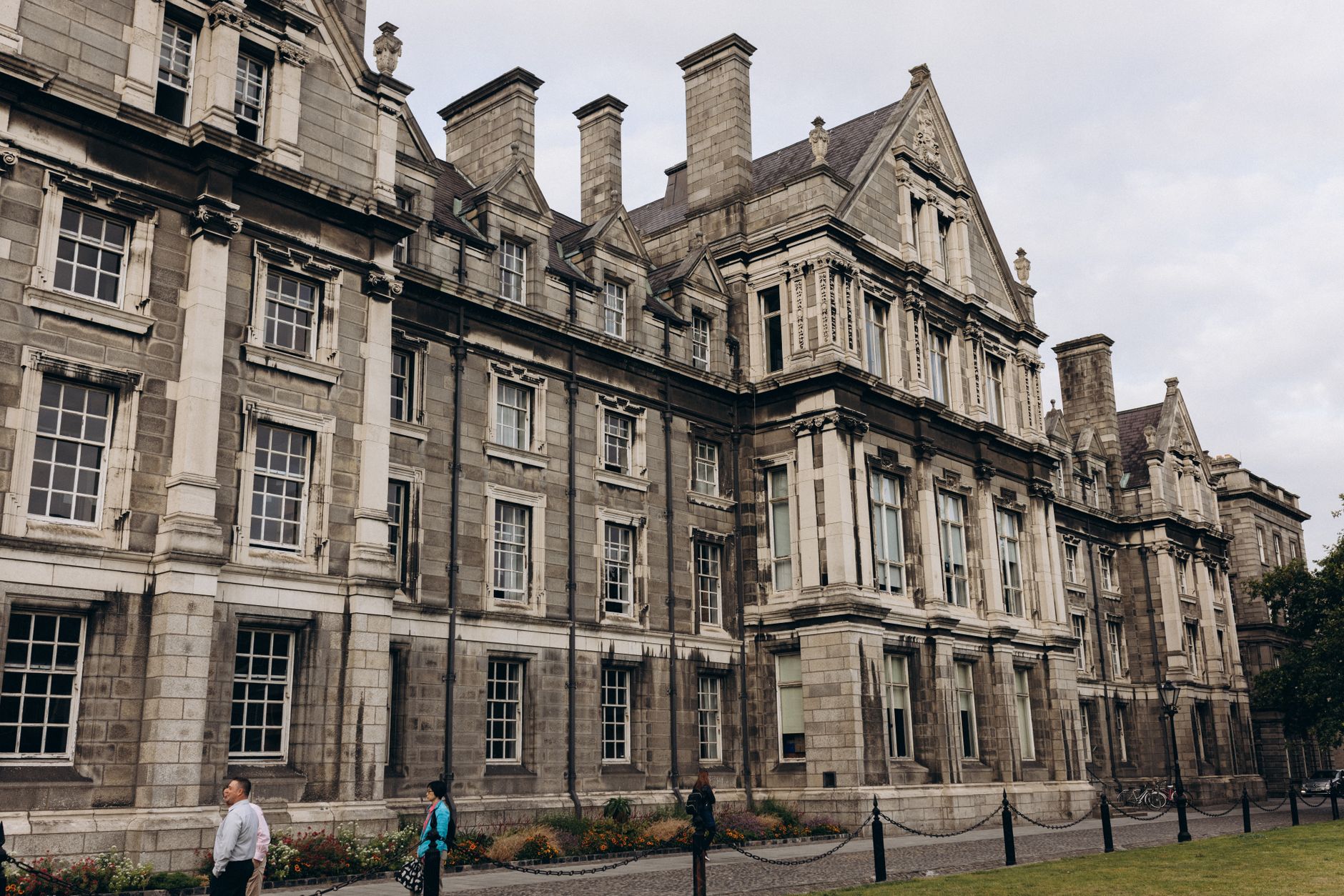
Day 1: Trinity College and the Book of Kells
Start your first morning at Trinity College, Ireland’s oldest university, founded in 1592. The campus is free to wander, but the Book of Kells exhibition and the Long Room library require a ticket. Book online in advance to avoid queues; expect to pay around €18-20 for adults, with concessions available. The exhibition is self-guided and takes about an hour, including the spectacular Long Room.
Afterwards, stroll through the cobbled squares of Trinity and exit onto Grafton Street, Dublin’s main shopping street. It’s a five-minute walk. Grafton Street is pedestrianised and lively with buskers, but keep an eye on your belongings in crowds. For lunch, duck into one of the side streets like Duke Street or South Anne Street for pub food; a bowl of Irish stew or a toasted special will cost roughly €12-16.
In the afternoon, continue to St Stephen’s Green, a Victorian park at the top of Grafton Street. It’s free and perfect for a leisurely walk; look for the ornamental lake and the bust of James Joyce. If the weather turns, the nearby Little Museum of Dublin on St Stephen’s Green North is a charming diversion (about €10 entry). End the day with an early dinner in a traditional pub; avoid the most touristy spots on Temple Bar and opt for a quieter pub like O’Donoghue’s on Merrion Row.
Day 2: St Stephen’s Green and Georgian Dublin
Begin day two with a proper Irish breakfast at a café near St Stephen’s Green; expect to pay €10-15 for a full fry. Then explore the park itself: St Stephen’s Green is 22 acres with flower beds, a fountain, and a pond. It’s a great spot for a morning coffee from a nearby kiosk. Exit the park at the north side and walk along Merrion Row towards Merrion Square, another Georgian square with a statue of Oscar Wilde.
Merrion Square is free to enter and less crowded than St Stephen’s Green. The surrounding streets are lined with Georgian townhouses, many with colourful doors. This is a good area for a gentle self-guided walk; the National Gallery of Ireland is nearby (free entry) and worth an hour if you like art. For lunch, try a café on Baggot Street or Merrion Row; a sandwich and soup combo is around €10.
In the afternoon, visit the Little Museum of Dublin (if you didn’t yesterday) or take a guided tour of Dublin Castle (about €8-12). Dublin Castle is a 15-minute walk from Merrion Square and offers a glimpse into Irish history. Alternatively, simply wander the streets around St Stephen’s Green and Grafton Street, popping into independent shops. For dinner, head to the area around South Great George’s Street, where you’ll find a range of restaurants; a main course in a mid-range place will cost €15-25.
Day 3: The Liffey and Temple Bar
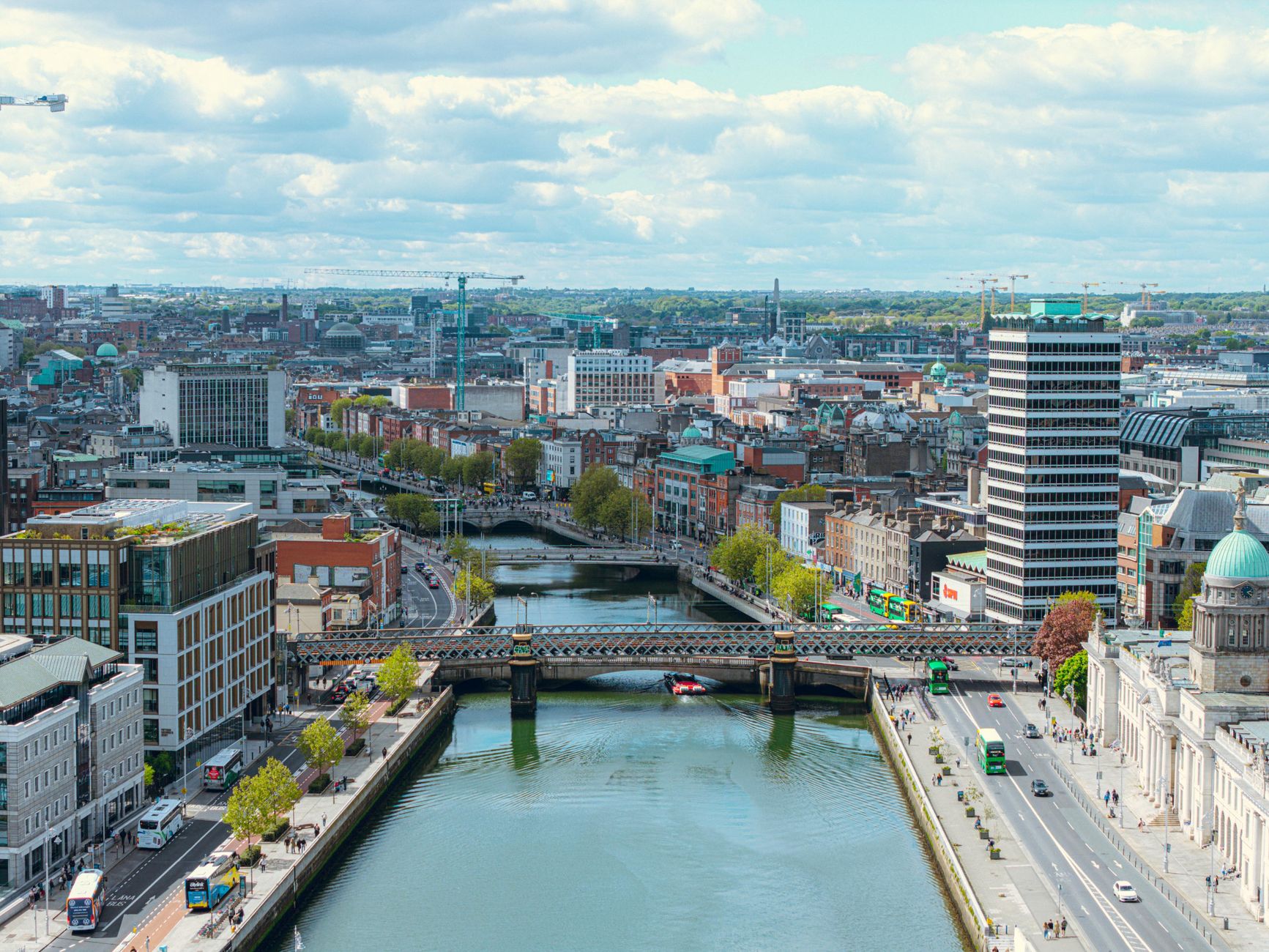
On your final day, walk along the River Liffey, which divides the city north and south. Start at the Ha’penny Bridge, a iconic cast-iron footbridge built in 1816. Cross to the north side and walk along the quays towards the Custom House, or head east to the Docklands for a modern contrast. The walk is flat and easy, with plenty of benches. Allow an hour for a leisurely stroll.
For lunch, cross back to the south side and explore Temple Bar, the city’s cultural quarter. Yes, it’s touristy, but it’s also home to the Irish Film Institute and the Project Arts Centre. Grab lunch in a pub like the Quays or Porterhouse; expect €15-20 for a main. Avoid the most blatant tourist traps and look for places with local patrons. After lunch, visit the nearby Christ Church Cathedral (entry about €9) or St Patrick’s Cathedral (about €8) if you have time.
End your trip with a pint in a cosy pub. The Palace Bar on Fleet Street is a favourite for its Victorian interior and literary history. A pint of Guinness will set you back around €6-7. If you’re hungry, pub grub is served until about 9pm. For a final treat, consider a whiskey tasting at the Jameson Distillery Bow St. (tours from about €25) or simply enjoy the atmosphere. Depart with a sense of Dublin’s warm, literary charm.
Where to stay: areas and prices
For this itinerary, staying near St Stephen’s Green or Grafton Street puts you in the centre of the action. Hotels here are convenient but can be pricey; expect to pay €150-250 per night for a mid-range double. The Trinity College area has fewer hotels but some good options; prices are similar. For budget stays, look at hostels around Temple Bar, where dorm beds start at €20-30 and private rooms from €80.
If you prefer a quieter base, consider the Georgian Dublin area around Merrion Square, which has several guesthouses and small hotels in townhouses. Prices are often slightly lower than St Stephen’s Green, around €120-180. Ballsbridge, a 20-minute walk from the centre, has larger hotels and embassies; it’s peaceful but less central. The Docklands has modern hotels, often with good deals at weekends, from €100-150.
Book directly with the hotel or use a reputable booking site, and check cancellation policies. Prices fluctuate with events; Dublin is busy during summer and around St Patrick’s Day (March 17). Always confirm the total price including taxes. For the best value, consider visiting in spring or autumn. Ask your host about breakfast; many guesthouses include it, which can save €10-15 per person.
Getting around and practical tips
Dublin city centre is compact and walkable. Most of this itinerary is within a 30-minute walk. For longer hops, use Dublin Bus or the Luas tram; a single fare is about €2-3 with a Leap Card (a reloadable travel card). Taxis are plentiful but expensive; a short trip across town costs €10-15. Avoid renting a car; parking is costly and traffic can be heavy.
The weather is changeable; pack a waterproof jacket and comfortable shoes. Rain is common, so an umbrella is useful. Pubs and restaurants are generally family-friendly during the day, but some pubs are over-18s after 9pm. Tipping is not mandatory but appreciated; 10% is standard in restaurants. Tap water is safe to drink. Public toilets are scarce; use cafés or museums.
For the Book of Kells and other popular attractions, book tickets online to skip queues. The Dublin Pass can save money if you plan to visit many sites, but for this relaxed itinerary, pay as you go may be cheaper. Keep an eye on your belongings in crowded areas like Grafton Street and Temple Bar. Emergency number is 112 or 999. Enjoy your trip!
Food and drink: what to try and where
Dublin has a growing food scene, but for a traditional experience, start with a full Irish breakfast: sausages, bacon, black and white pudding, eggs, and toast. Try it at a café like Bewley’s on Grafton Street (expect €12-15). For lunch, a pub 'carvery' offers roast meats and vegetables for around €15. Fish and chips from a chipper like Beshoff’s will cost €10-12.
In the evening, pubs serve classic dishes like Irish stew, bangers and mash, or fish and chips. Prices range from €14-20. For a more contemporary meal, look at restaurants around South Great George’s Street or Camden Street; a main course is typically €18-28. Vegetarian and vegan options are increasingly available. Don’t miss brown bread with smoked salmon, a local favourite.
As for drinks, Guinness is the obvious choice, but try local craft beers from breweries like Porterhouse or Wicklow Wolf. A pint of craft beer costs €6-8. Irish whiskey is also worth sampling; a measure in a pub is about €6-9. For coffee, Dublin has many independent cafés; a flat white is around €3.50. Tap water is free; bottled water costs €1-2 in shops.
Budgeting for three days
A comfortable three-day trip for one person, excluding accommodation, might cost €250-350. This includes meals (€40-60 per day), attractions (€30-40 total), and transport (€10-15). Add accommodation: mid-range hotels €150-250 per night, budget guesthouses €80-120, hostels €25-40 per night. So total for three days could range from €300 (budget) to €900 (comfortable).
Save money by eating pub lunches instead of fancy dinners, buying a Leap Card for transport, and choosing free attractions like parks and museums (many are free). The National Gallery and National Museum are free. Avoid taxis and opt for walking. Book accommodation well in advance for the best rates. Student and senior discounts are often available at attractions.
Prices are in euros (EUR). For US readers, at the time of writing, €1 is roughly $1.10, so €100 is about $110. Carry some cash for small purchases, though cards are widely accepted. ATMs are common but may charge fees; use bank ATMs. Always check your card’s foreign transaction fees. Tipping is extra; budget 10% for restaurant meals.
Best times to visit and what to pack
Dublin is busiest from June to August, when the weather is mild (15-20°C) but crowds are thick and prices high. Spring (March-May) and autumn (September-November) offer fewer crowds and lower prices, though rain is always possible. Winter (December-February) is quiet and cold (2-8°C), but the city has a cosy charm, and pubs with fires are welcoming. Avoid St Patrick’s Day (March 17) unless you enjoy crowds.
Pack layers, a waterproof jacket, and comfortable walking shoes. An umbrella is handy but can be awkward in wind; a hooded raincoat is better. Bring a reusable water bottle; tap water is safe. A small backpack is useful for day trips. Don’t forget a European plug adapter (Type G) if you’re coming from outside Ireland/UK. Power banks are useful for long days out.
Dublin is casual; smart-casual is fine for most restaurants and pubs. Some upscale places may have dress codes, but they are rare. Bring a hat and gloves in winter. Sunscreen in summer, as the sun can be strong even when cloudy. A compact camera or phone is enough for photos; tripods are not allowed in some attractions. Check opening hours before you go, as some places close on Mondays.
Family-friendly tweaks and accessibility
If travelling with children, shorten walking days and include parks. St Stephen’s Green has a playground, and Merrion Square has a small play area. The Book of Kells exhibition might be dull for young kids; consider the Dublinia museum (about €10) or the National Museum of Ireland – Archaeology (free) with its Viking exhibits. Many pubs are family-friendly until 9pm, but check ahead.
For accessibility, Dublin is improving but has challenges. Cobblestones and narrow pavements can be tricky for wheelchairs. The Luas and Dublin Bus are accessible, but not all older buildings are. The Book of Kells exhibition is accessible, but the Long Room has stairs. St Stephen’s Green has paved paths. Always check with venues in advance. Taxis can accommodate wheelchairs if booked.
Travelling with babies? Most cafes and museums have baby-changing facilities, but some smaller pubs may not. Breastfeeding in public is protected by law in Ireland. Supermarkets sell formula and nappies. If you need a babysitter, ask your hotel; some offer the service. Plan for nap times and don’t over-schedule. Dubliners are generally helpful, so don’t hesitate to ask for directions or assistance.
Frequently asked questions
What people ask before they set off on this one.
Yes, it’s strongly recommended, especially in peak season (June-August). Tickets can sell out days in advance. Book online on the Trinity College website. You choose a time slot, which helps manage crowds. Without a booking, you may face long queues or be turned away. The ticket includes the Long Room.
Dublin can be pricey, but you can control costs. Budget travellers can manage on €70-100 per day (hostel, pub lunches, free attractions). Mid-range travellers should budget €150-200 per day. This includes accommodation, meals, and a few paid attractions. Eating pub lunches and using public transport helps.
The most economical is the Dublin Bus 16 or 41, which takes 40-60 minutes and costs about €3.30 with a Leap Card. Airlink express buses are faster (20-30 minutes) but cost €7-10. Taxis take 20-30 minutes and cost €25-35. Choose based on your budget and luggage.
Temple Bar is very touristy and can be expensive, but it’s worth a visit for the atmosphere. For a more authentic experience, venture to pubs like O’Donoghue’s on Merrion Row, The Palace Bar on Fleet Street, or The Cobblestone in Smithfield. These have better prices and local character.
Yes, most of the itinerary is walkable. Trinity College to St Stephen’s Green is 10 minutes; St Stephen’s Green to Merrion Square is 5 minutes. The Liffey and Temple Bar are within 15-20 minutes. For longer distances, use the Luas or Dublin Bus. Wear comfortable shoes as you’ll be on your feet a lot.
Dublin’s weather is unpredictable, so have backup plans. Museums like the National Gallery (free), National Museum (free), and Little Museum of Dublin (€10) are great indoor options. Pubs with fires are cosy. The Book of Kells is indoors. Carry a raincoat and umbrella; showers often pass quickly.
Dublin is generally safe, but like any city, watch for pickpockets in crowded areas like Grafton Street and Temple Bar. Avoid dark alleys at night. The city centre is well-lit and busy. In an emergency, call 112 or 999. Use common sense and keep valuables secure.
Hotels in Dublin City


Hotels we cover across Dublin City
- The Fleet 4★ · 4.3/5
- The Gibson Hotel Dublin City 4★ · 4.3/5
- The Green 4★ · 4.3/5
- The Mayson Dublin 4★ · 4.3/5
- The Mont 4★ · 4.3/5
- The Morgan Hotel 4★ · 4.3/5
- The Sandymount Hotel 4★ · 4.3/5
- The Spencer Hotel 4★ · 4.3/5
- Trinity City Hotel 4★ · 4.3/5
- Hampton by Hilton Dublin City Centre 3★ · 4.3/5
- Hampton Hotel 3★ · 4.3/5
- Harry Clarke Mews at the Castle Hotel 3★ · 4.3/5
- Premier Inn Dublin Gloucester St South 3★ · 4.3/5
- Premier Inn Dublin Temple Bar 3★ · 4.3/5
- Sonder Mountjoy Square 3★ · 4.3/5
- StayIreland Botanic Road 3★ · 4.3/5
- Tom Dick and Harriet’s 3★ · 4.3/5
- Wynn’s Hotel 3★ · 4.3/5
- Barry’s Hotel 2★ · 4.3/5
- O’Shea’s Merchant 1★ · 4.3/5
- The Clarence 5★ · 4.2/5
- Ballsbridge Hotel 4★ · 4.2/5
- Clayton Hotel Ballsbridge 4★ · 4.2/5
- Dublin One Hotel 4★ · 4.2/5
More guides to Dublin City
All guides Itineraries · 9 min read
48 Hours in Dublin: A Two-Day Plan Between Temple Bar and Grafton Street
A realistic two-day route through Temple Bar, Grafton Street and the streets between them, with honest advice on timing, crowds and what to book ahead.
 Day trips · 10 min read
Day Trip from Dublin: Malahide, Howth and the Coast by DART
How to use the DART commuter train for a full coastal day out north of Dublin, with realistic timings, ticket options and a plan that works whether you start in Howth or Malahide first.
 Essentials · 12 min read
Dublin for First-Time Visitors: Getting Around, Tipping and What to Book Ahead
A practical guide to Dublin for first-timers: how to get from the airport, use public transport, handle tipping, and which tickets and tours to book before you arrive.
Hotel prices swing with weekends, matches and concerts. Decide on an area, check two or three dates, and book when the rate looks fair rather than perfect.