Dublin for First-Time Visitors: Getting Around, Tipping and What to Book Ahead
A practical guide to Dublin for first-timers: how to get from the airport, use public transport, handle tipping, and which tickets and tours to book before you arrive.
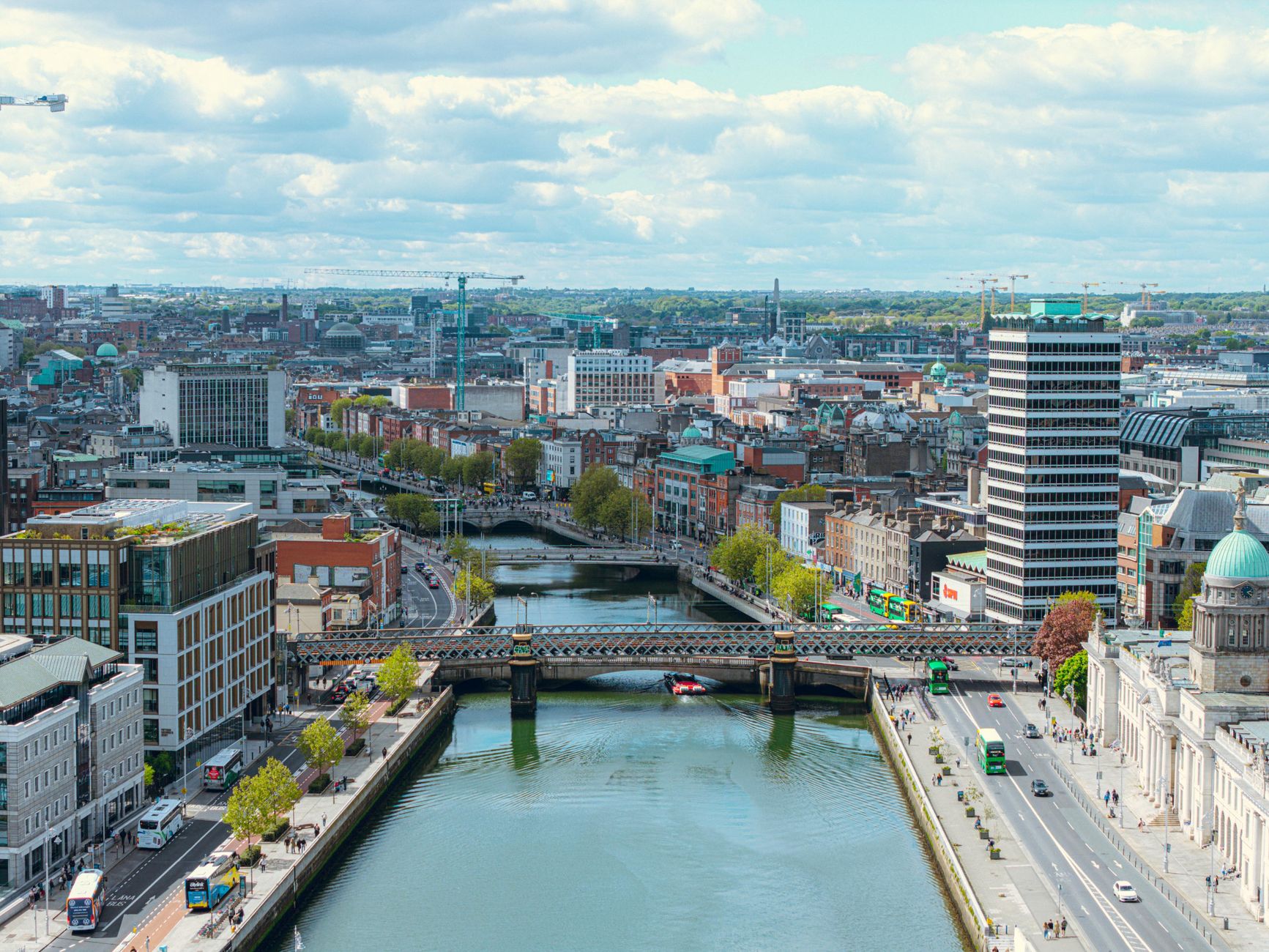
Arriving and getting into the city
Dublin Airport is about 10 km north of the city centre. The most reliable way in is the Dublin Express or Aircoach buses, which run frequently to locations like O’Connell Street and Busáras. Taxis are plentiful and take 20–40 minutes depending on traffic; expect roughly €25–€35 (about $27–$38) to the centre. If you arrive at a reasonable hour and have light luggage, the 16 or 41 Dublin Bus routes also go to the centre, but they are slower and stop more often.
If you land at Dublin Port or Dun Laoghaire with a ferry, check the onward transport options with your operator. From Heuston Station (trains from the west and south) take the Luas Red Line into the centre; from Connolly Station (northern and western trains) you can walk to O’Connell Street in about 10 minutes or hop on the Luas. For late arrivals, pre-book a taxi or check that your hotel offers a late check-in; smaller guesthouses may not have a 24-hour desk.
Buy a Leap Visitor Card at the airport or online if you plan to use public transport for several days. It covers Dublin Bus, Luas and DART within the city and is usually cheaper than buying single tickets. Otherwise, pay with a contactless bank card on Dublin Bus and Luas — just tap on and off where required. Keep some euro coins for the occasional bus that still takes cash, though most now prefer card.
Getting around the city
Central Dublin is compact and walkable. Most sights between St Stephen’s Green and O’Connell Street are within 20–30 minutes on foot. The Luas tram has two lines: the Green Line links St Stephen’s Green with Ballsbridge and Ranelagh, while the Red Line serves Smithfield, Heuston and the Docklands. The DART suburban rail is useful for coastal trips to Howth or Malahide and for Ballsbridge. Dublin Bus covers the rest, but can be slow at peak times.
Taxis are easy to flag in the centre, and apps like Free Now work well. For short hops, a taxi can be worth it if you are pressed for time, but walking is often faster in rush hour. If you cycle, DublinBikes stations are spread across the centre; you will need a credit card to unlock a bike. Just note that traffic drives on the left and some junctions are tricky, so stick to cycle lanes where possible.
For day trips outside the city, go to Connolly or Heuston stations for trains, or Busáras for long-distance buses. Book seats online for popular routes like Belfast or Galway, especially on weekends. If you are staying in Rathmines or Ranelagh, the Green Line Luas gets you into town in about 15 minutes. From Ballsbridge, the DART at Lansdowne Road or Grand Canal Dock is quick, or it is a 25-minute walk to Grafton Street.
Tipping and everyday costs
Tipping is not obligatory in Ireland, but it is appreciated. In restaurants with table service, a tip of 10–15% is standard if service is not already included. Check your bill for a service charge; if it is there, you do not need to add more. In pubs, you do not tip for a pint at the bar, but you might round up or leave a euro or two if you have table service or a large group. Taxi drivers usually get the fare rounded up to the nearest euro or 10%.
Hotel porters and housekeeping are not usually tipped, but a euro or two for a porter is fine. For coffee shops and casual takeaway, there is no expectation to tip. Prices in Dublin are moderate to high: a pint of beer costs roughly €6–€7 (about $6.50–$7.50), a main course in a mid-range restaurant €15–€25 (about $16–$27), and a coffee €3–€4 (about $3.25–$4.30). Expect to pay more in Temple Bar and around Grafton Street.
Cash is still accepted, but most places take cards and contactless. It is useful to carry some coins for buses or small purchases. If you are on a budget, look for early-bird menus, lunch specials, and free museums like the National Gallery or the Hugh Lane. Supermarkets such as Tesco, Lidl and Dunnes are good for picnic supplies. Do not be afraid to ask for tap water in restaurants; it is free and normal.
What to book ahead
Some Dublin attractions sell out, especially in summer and around holidays. Book online for the Guinness Storehouse, the Book of Kells and Trinity College Library, and Kilmainham Gaol. The Kilmainham Gaol tour is particularly popular and often sells out days in advance, so reserve as soon as your dates are fixed. For the Book of Kells, early morning slots are quieter. The Guinness Storehouse is open late and can be less crowded in the evening.
If you want to visit the distilleries, Jameson Distillery Bow St. and Teeling Whiskey Distillery offer tours that can fill up; booking ahead is wise. Christ Church Cathedral and St Patrick’s Cathedral are usually easier to visit on the day, but check opening hours and avoid service times. For day trips to Glendalough, Newgrange or the Cliffs of Moher, book tours or train tickets in advance, especially on weekends.
Restaurants in popular areas like Grafton Street, Temple Bar and Ranelagh can be busy. For dinner on Friday or Saturday, reserve a table a few days ahead. Many pubs take walk-ins, but if you have your heart set on a specific place for dinner, book. For traditional music sessions, some pubs have cover charges or reserved seating; check their websites. Accommodation should be booked well ahead for peak seasons (June–August, and around St Patrick’s Day).
Where to stay for a first visit
For a first trip, staying in the city centre puts most sights within walking distance. Temple Bar is lively but can be noisy and expensive; it is handy for nightlife but not for quiet nights. Grafton Street and St Stephen’s Green are central and upscale, with good access to shopping and parks. O’Connell Street is budget-friendly and well connected, though it can feel busy. The Trinity College Area is quiet at night and close to everything.
If you prefer a more local feel, consider The Liberties (near Guinness and Kilmainham), Smithfield (with its own Luas stop and café scene), or the Georgian Dublin area around Merrion Square. Rathmines and Ranelagh are residential but have quick Luas links to the centre and plenty of restaurants. Ballsbridge is quiet and near the DART, good for the Aviva Stadium and RDS. The Docklands has modern hotels and is walkable to the centre.
Hotel prices vary widely. Budget hotels and guesthouses can start around €80–€120 (about $87–$130) per night, while mid-range hotels are often €150–€250 (about $160–$270). Book directly with the hotel for the best chance of a room upgrade or flexible cancellation. Apartments and B&Bs are also an option; check reviews for location and noise. If you are sensitive to noise, ask for a room away from the street.
Sample two-day itinerary for first-timers
Day 1: Start at Trinity College to see the Book of Kells and the Long Room (book ahead). Walk through the campus to Grafton Street for a coffee and some people-watching. Continue to St Stephen’s Green for a stroll, then head to Dublin Castle and Christ Church Cathedral. In the afternoon, visit the Guinness Storehouse (book ahead) and have lunch in The Liberties. In the evening, enjoy a pint in a traditional pub away from Temple Bar, such as Kehoe’s or Mulligan’s, and have dinner in Ranelagh or Rathmines.
Day 2: Begin at O’Connell Street to see the GPO and the Spire, then walk to the Ha’penny Bridge and along the Liffey to Temple Bar. Explore the narrow streets, but do your souvenir shopping elsewhere for better value. Cross to the north side for the James Joyce Centre or the Garden of Remembrance. After lunch, visit the National Museum of Ireland – Archaeology on Kildare Street (free) or the National Gallery. End the day with a trad music session in a pub like The Cobblestone in Smithfield.
If you have a third day, take a half-day trip to Howth by DART for cliff walks and seafood, or visit Kilmainham Gaol and the Irish Museum of Modern Art. Alternatively, explore the Phoenix Park and Dublin Zoo. For a slower pace, spend a morning in the Georgian squares and Merrion Square Park, then have lunch in Ballsbridge. Book any major attraction in advance to avoid disappointment.
Practical tips for your first visit
The currency is the euro (€). Credit and debit cards are widely accepted, but notify your bank if you are travelling from outside the EU to avoid blocks. ATMs are plentiful; use bank ATMs rather than standalone machines for better rates. Mobile coverage is good; if you need data, pick up a prepaid SIM from a provider like Vodafone or Three, or use your home plan if roaming is included. Wi-Fi is common in hotels and cafés.
Dublin’s weather is changeable. Pack a waterproof jacket and comfortable shoes; you will walk a lot on uneven pavements. A small umbrella is useful, but wind can make it useless. In summer, daylight lasts until late evening, so you can pack more into your day. In winter, it gets dark around 4 pm, so plan indoor activities for the afternoon. Pubs are family-friendly until about 9 pm, but check individual policies.
Safety: Dublin is generally safe, but like any city, watch your belongings in crowded areas. Avoid unlit areas at night and use licensed taxis. If you need medical help, pharmacies are common; for emergencies, dial 112 or 999. Tap water is safe to drink. Tipping and tax are included in most prices; the price you see is what you pay. For more detailed guides, ask your hotel reception or visit a tourist office.
Common mistakes to avoid
Do not try to see everything in one day. Dublin is best enjoyed at a slower pace, with time for a pint and a chat. Avoid eating only in Temple Bar; prices are higher and quality varies. Venture to The Liberties, Smithfield or Rathmines for better value. Do not skip the free museums; they are excellent and give context to the city. Do not assume you can buy tickets at the door for Kilmainham Gaol or the Book of Kells in peak season.
Do not rely on buses during rush hour if you are on a tight schedule; walking or the Luas is often faster. Do not forget to validate your Leap Card or ticket; inspectors do check. Do not tip if a service charge is already added. Do not be shy about asking for recommendations; locals are generally helpful. Do not leave your booking to the last minute for popular restaurants or accommodation.
Do not confuse Dublin with the rest of Ireland; it is a capital city with its own character. If you want to explore the countryside, plan a day trip by train or bus, but book ahead. Do not expect late-night public transport to be frequent; check schedules and have a taxi number handy. And finally, do not worry about the rain; it is part of the experience, and there are plenty of pubs and cafés to duck into.
Resources and getting help
The main tourist office is in St Stephen’s Green Shopping Centre, where you can pick up maps and ask about tours. Many hotels have concierge services or knowledgeable reception staff. For public transport info, use the Transport for Ireland journey planner website or app. Dublin Bus, Luas and DART have their own websites with timetables. If you get stuck, ask a local; most people are happy to point you in the right direction.
For bookings, use official websites where possible to avoid extra fees. For attractions, check for combo tickets or city passes; the Dublin Pass can save money if you plan to visit many paid attractions. However, do the maths first. For dining, apps like OpenTable or direct phone calls work. For emergencies, dial 112 or 999. Pharmacies are marked with a green cross; the nearest one can be found with a quick search.
Before you travel, check your passport validity and any visa requirements. EU citizens can use their ID card. UK citizens have specific arrangements; check the latest guidance. Travel insurance is recommended. If you are driving, note that Dublin has a congestion charge in the city centre and parking is expensive; it is usually better to use public transport. For more detailed guides on specific areas, see our other pages.
Frequently asked questions
What people ask before they set off on this one.
The fastest options are the Dublin Express or Aircoach buses, which run frequently to O’Connell Street and Busáras. Taxis take 20–40 minutes and cost roughly €25–€35 (about $27–$38). Public buses like the 16 or 41 are cheaper but slower. Buy a Leap Visitor Card if you plan to use public transport during your stay.
Tipping is appreciated but not mandatory. In restaurants with table service, 10–15% is standard if service is not already included. Check your bill for a service charge. In pubs, you don’t tip for a pint at the bar, but rounding up is fine. Taxi drivers usually get the fare rounded up or 10%.
Book the Guinness Storehouse, the Book of Kells and Kilmainham Gaol online ahead of time, especially in summer. Distillery tours and popular restaurants also fill up. For day trips, reserve train or tour tickets. Accommodation should be booked well ahead for peak seasons.
Yes, central Dublin is compact and most sights between St Stephen’s Green and O’Connell Street are within 20–30 minutes on foot. For longer distances, use the Luas tram, DART train, or buses. A Leap Card or contactless card makes public transport easy.
The city centre around Grafton Street, St Stephen’s Green, or Trinity College is ideal for walking to major sights. Temple Bar is lively but can be noisy. O’Connell Street is budget-friendly. For a quieter stay, consider The Liberties, Smithfield, or the Georgian Dublin area.
A pint of beer costs roughly €6–€7 (about $6.50–$7.50). A main course in a mid-range restaurant is €15–€25 (about $16–$27). Coffee is about €3–€4. Expect higher prices in Temple Bar and around Grafton Street. Lunch specials and early-bird menus offer better value.
Use the Luas tram for quick cross-city trips, the DART for coastal suburbs, and Dublin Bus for wider coverage. Walking is best for the centre. A Leap Visitor Card covers all public transport in the city. Taxis and apps like Free Now are useful for late nights or short hops.
Hotels in Dublin City


Hotels we cover across Dublin City
- Dorset House 3★
- Dorset Street Upper Apartment 3★
- Double Bedroom Studio 3★
- Drumcondra Junction Apts 3★
- Dublin 1 Apartment 3★
- Dublin 1 Apartments 3★
- Dublin Airport Park north 3★
- Dublin Central Inn 3★
- Dublin Central Suites 3★
- Dublin City Escape Modern Apartment 3★
- Dublin Exchange Suites 3★
- Dublin Two Bedroom Flat in City Centre 3★
- Dublin Vacation Rentals 3★
- Dublin’s Fair City Apartment 3★
- Durban Residence B&B Dublin 3★
- Earl Street Apartments 3★
- Eastpark Lodge 3★
- Egans House 3★
- Elegant 1 Bedroom Dublin Apartment 3★
- Eliza Lodge 3★
- Ellis Quay Apartments by the Key Collection 3★
- En suite Double Room near Croke Park 2 3★
- En suite Triple Room near Croke Park 1 3★
- Entire Apartment in Heart of Dublin 3★
More guides to Dublin City
All guides Itineraries · 9 min read
48 Hours in Dublin: A Two-Day Plan Between Temple Bar and Grafton Street
A realistic two-day route through Temple Bar, Grafton Street and the streets between them, with honest advice on timing, crowds and what to book ahead.
 Itineraries · 11 min read
3 Days in Dublin: Trinity College, St Stephen’s Green and the Liffey at an Easy Pace
A relaxed three-day itinerary covering Dublin’s highlights: Trinity College, St Stephen’s Green, the Liffey, and cosy pubs, with honest tips on timing and costs.
 Day trips · 10 min read
Day Trip from Dublin: Malahide, Howth and the Coast by DART
How to use the DART commuter train for a full coastal day out north of Dublin, with realistic timings, ticket options and a plan that works whether you start in Howth or Malahide first.
Hotel prices swing with weekends, matches and concerts. Decide on an area, check two or three dates, and book when the rate looks fair rather than perfect.