Ranelagh
A low-rise southside village with a strong restaurant scene, good buses to the centre and a calmer pace than the city core.
 Ranelagh
Why people stay in Ranelagh
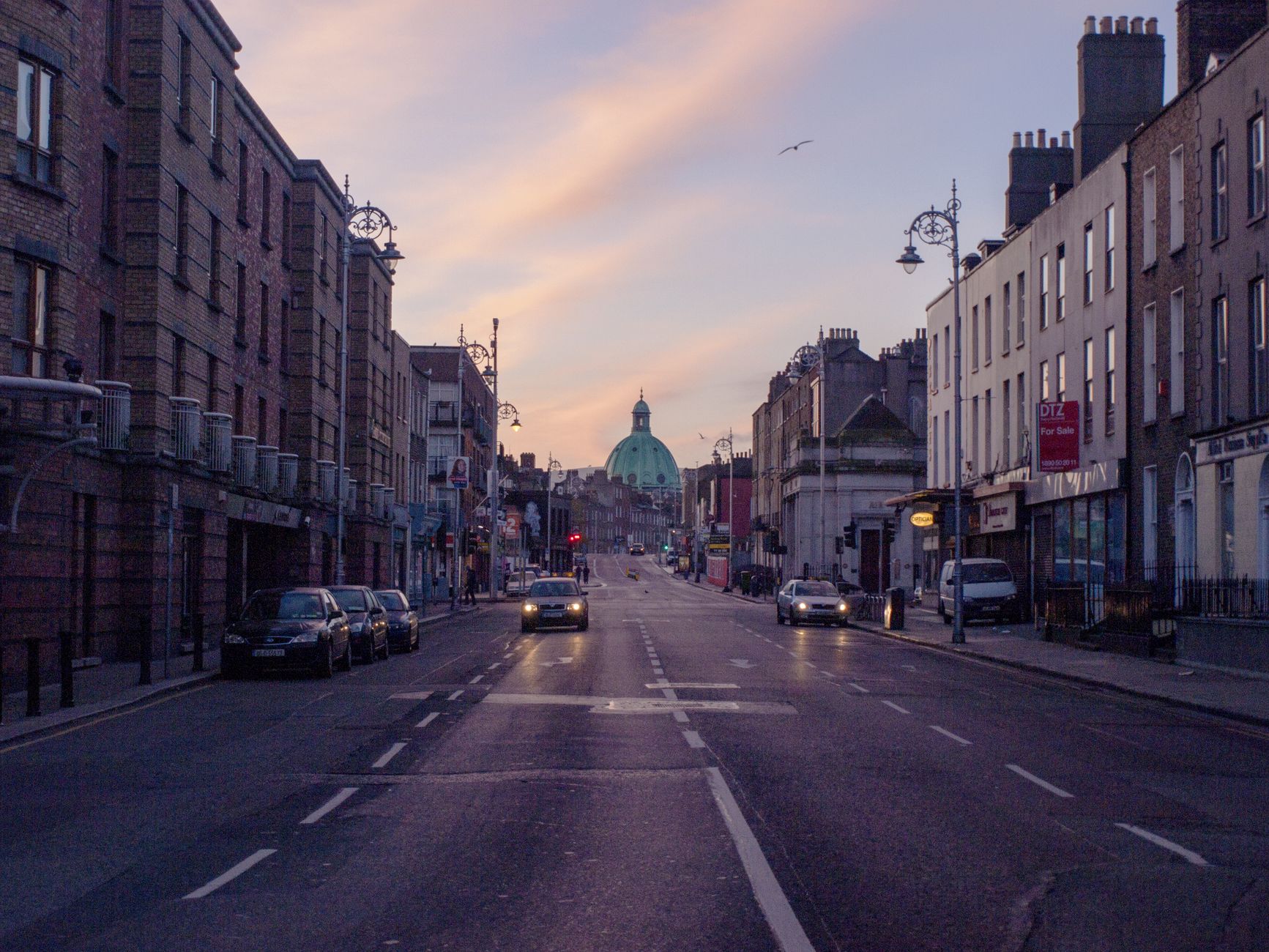
Ranelagh sits on Dublin’s southside, roughly 2.5 km south of the Liffey and just beyond the Grand Canal from Ballsbridge and the city centre. It is a proper residential village rather than a tourist district: low red-brick terraces, a triangle of shops and pubs around the Ranelagh Triangle, and the wide green of Ranelagh Gardens nearby. The Luas Green Line runs along its western edge, so you get a village atmosphere with a tram stop on the doorstep. It is the kind of place where people say hello at the newsagent and where the evening crowd is mostly local rather than visitor-driven.
Ranelagh suits couples, solo travellers and anyone who wants to eat well and sleep quietly while still being 10-15 minutes from the centre. It is excellent for a longer stay of three or four nights, and for people returning to Dublin who have already done Temple Bar. It does not suit travellers who want to step out of the hotel into a landmark or a bar strip, or families who need a big cluster of top-tier museums right outside. There are few hotels and no nightclub quarter; the appeal is the food and the calm.
By day Ranelagh is functional and pleasant: commuters heading to the Luas, parents with prams, laptop workers in cafés, and shoppers picking up groceries. It gets busier around lunch and again after six, when the restaurants fill and the pubs take on a warm, chatty tone. Evenings are sociable but not loud; the busiest corner after dark is the triangle itself, and by 11 pm most of the village has wound down. Weekends bring brunch queues and a steady Sunday crowd, but you can still get a quiet table mid-afternoon.
The area’s spine is Ranelagh Road and the streets fanning off it toward Ranelagh Gardens, Mount Pleasant and the canal. Everyday life lives in a compact stretch: a supermarket or two, a pharmacy, a bookshop, delis and a post office, all within a few minutes' walk of each other. The Grand Canal towpath is close enough for a flat waterside stroll, and the Luas Green Line stops at Ranelagh, giving a direct run toward St Stephen’s Green and the north city. Georgian terraces and small garden squares give the neighbourhood its texture.
Food is the main reason to base yourself here. Ranelagh has an unusually dense run of restaurants for a village this size, spanning Italian, modern Irish, Asian and casual burger and brunch spots, plus several good pubs that serve food. Locals eat here rather than travelling into town. There is no big covered market in Ranelagh itself, but the village shops sell decent bread, cheese and produce, and the weekend brunch scene is strong. Book ahead for Friday and Saturday dinner, and expect a short wait for Sunday brunch after 11 am.
Dublin weather is changeable year-round, so pack a light waterproof and layers whatever the month. Late spring and early autumn are the sweet spot: mild days, long-ish evenings and fewer crowds than high summer. Summer weekends bring the best of the outdoor life around the canal and Ranelagh Gardens, but also the most competition for brunch tables. Winter is quieter and cheaper, with cosy pubs and early dark; Christmas is busy around the village. Rain is common in every season, so plan indoor backups for any day trip.
Ranelagh is mid-priced for Dublin: cheaper than the city-centre hotels around Grafton Street and St Stephen’s Green, but not a budget district. Expect hotel rates roughly in line with or slightly below central southside prices, with the best value on weeknights and outside summer. Eating out ranges from casual café lunches to more polished dinner menus; restaurant prices here are moderate to mid-range. Ask your host about current rates rather than trusting old figures, since Dublin hotel prices move with events and season.
Before you arrive, know that Ranelagh is residential, so quiet hours are respected and late-night noise is limited. There are few large hotels; most accommodation is small guesthouses, serviced apartments or rooms above pubs, so book early in summer and around big event weekends. Parking is on-street and tight, so a car is a liability here; the Luas and buses are better. The village is walkable and flat, but pavements are narrow in places. Confirm check-in times and whether your place has a lift, as many buildings are older conversions.
The best places to stay in Ranelagh are the streets closest to the Ranelagh Triangle and the Luas stop, which puts restaurants, shops and the tram within a five-minute walk. Ranelagh Road and the side streets off it toward Ranelagh Gardens are the most convenient for first-timers, while Mount Pleasant and the streets nearer the canal are quieter and greener, better if you want evening calm and a waterside walk at the end of the day. Accommodation here is mostly small: guesthouses, serviced apartments and a handful of rooms above or beside pubs, rather than large chain hotels. That means fewer facilities — expect no big gym or pool — but more character and often a host who knows the area. Lively spots cluster around the triangle itself, where the pubs and restaurants are; if you are noise-sensitive, ask for a room at the back or choose a street a block or two away. Price bands are mid-range for Dublin: expect to pay noticeably less than the Grafton Street and St Stephen’s Green hotels, with the best value on midweek nights and in winter. Summer weekends and big event dates push rates up, so book early and confirm the total including any cleaning or service fees on apartments. Ask your host about parking, since on-street spaces are limited and many places have none.
Things to do in Ranelagh

The cluster of streets around the Ranelagh Triangle is the reason many people stay here. You will find a dense run of restaurants covering Italian, modern Irish, Asian and casual burger and brunch menus, plus pubs that serve good food. It is worth planning one dinner here rather than defaulting to the city centre. Tip: book Friday and Saturday tables a few days ahead, and go early (before 6.30 pm) if you want a walk-in. Allow two hours for a relaxed dinner, and ask staff for their current favourites rather than following old reviews.

The Grand Canal runs just north of Ranelagh, and its towpath gives a flat, traffic-free walk past moored barges, Bridges and greenery toward the city or out toward the suburbs. It is an easy way to see a quieter side of Dublin and to link up with Ballsbridge and the Docklands on foot. Tip: go in the morning or late afternoon for the best light, bring a light rain jacket, and allow 45-60 minutes for a there-and-back stroll. The surface is mostly paved, so ordinary shoes are fine.

Ranelagh’s café scene is a local institution, with brunch and good coffee drawing people from nearby neighbourhoods at weekends. It is a low-key way to spend a slow morning and to watch village life. Tip: arrive before 10.30 am on Saturday or Sunday to avoid the longest queues, and expect a short wait after 11. Midweek is calmer. Many places are small, so solo travellers and couples will find it easier to get a table than larger groups. Check current opening hours on the door, as cafés here change their days seasonally.

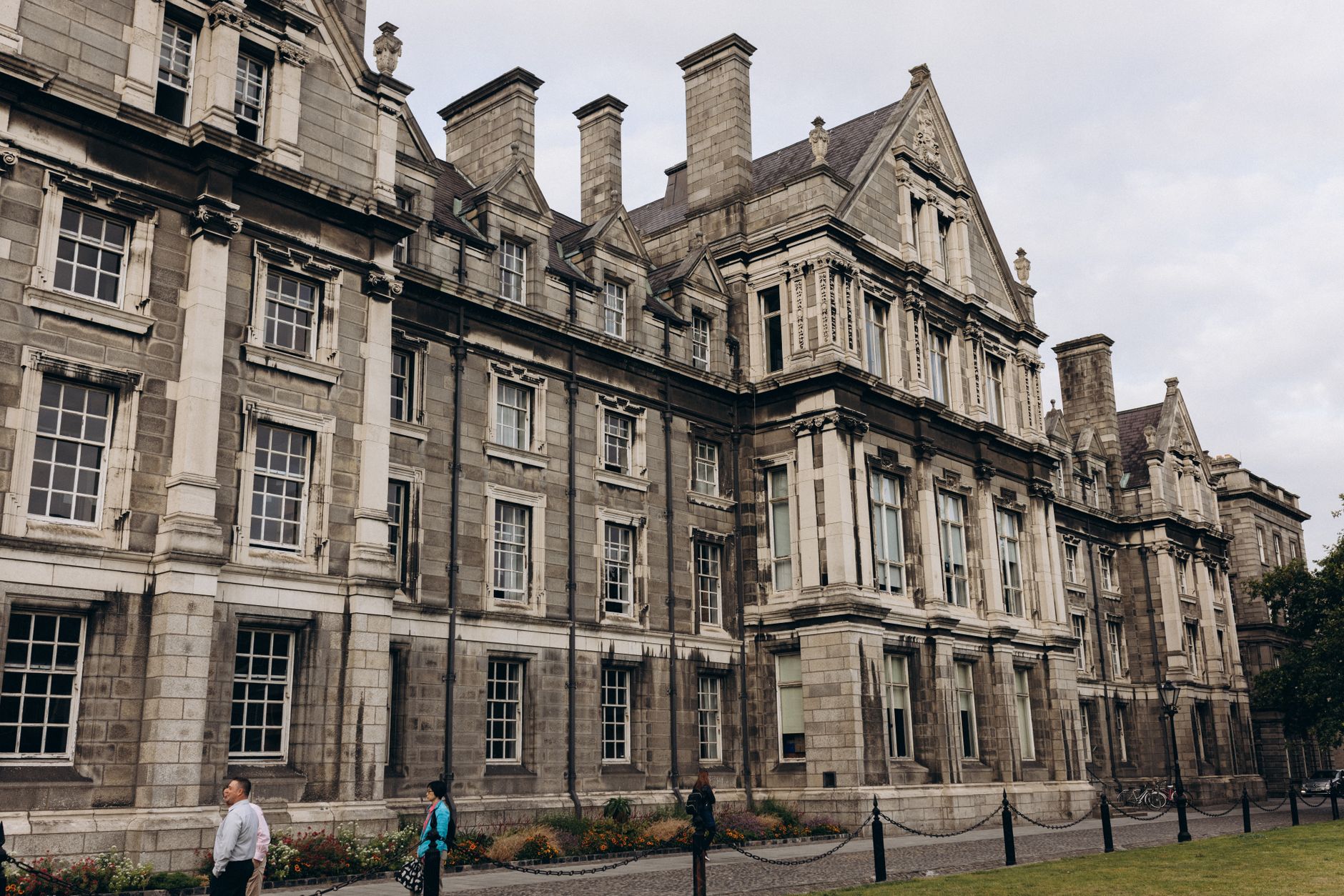
Ranelagh Gardens and the surrounding red-brick terraces give a sense of the area’s Georgian and Victorian past, with quiet residential streets that are pleasant to wander without a fixed route. It is a good filler for an hour between meals and shows a side of Dublin most short-stay visitors miss. Tip: keep noise low, as these are people’s homes. Go mid-morning or early evening for the softest light, wear comfortable shoes for uneven pavements, and combine the walk with a coffee stop back at the triangle.

The Luas Green Line at Ranelagh is one of the area’s best assets, running directly toward St Stephen’s Green and the north city. Using it as a sightseeing base is genuinely practical: you can stay in a quieter village and be at the museums and shops in minutes. Tip: buy or top up a Leap card for cheaper fares, and avoid the 8-9 am and 5-6 pm commuter crush if you can. Allow 10-15 minutes to the St Stephen’s Green area depending on the stop, plus walking time at either end.

Ranelagh’s pubs are where the village feels most itself: wood-panelled rooms, good pints, conversation rather than loud music, and a mix of residents who actually live nearby. It is worth one unhurried evening here instead of a night in the tourist bars. Tip: go on a weekday for the calmest atmosphere, arrive by 8 pm to get seats, and order food early if the kitchen is serving. Ask at your accommodation which pub matches the mood you want — some are livelier for sport, others quieter for a chat.
What to see
Hotels near Ranelagh
No hotels are listed in Ranelagh yet. The nearest ones are on the region page.


Every hotel we cover in Ranelagh
- Donnybrook Hall 3★ · 4.7/5
- Number 31 4★ · 4.6/5
- Mespil Hotel 4★ · 4.5/5
- Dylan Hotel 5★ · 4.4/5
- The Devlin Dublin 4★ · 4.4/5
- Leeson Inn Downtown 3★ · 4.4/5
- Clayton Hotel Burlington Road 4★ · 4.3/5
- Hampton Hotel 3★ · 4.3/5
- The Lansdowne Hotel 3★ · 4.1/5
- Ballsbridge Apartments 4★
- GuestReady Ranelagh Retreat with Urban Access 4★
- John Lennon Suite hiphipstay 4★
- Molly Malone Suite By 5Starstay 4★
- Pembroke Guest Suite 4★
- The Bono Suite hiphipstay 4★
- The Eamon DeVelara Suite hiphipstay 4★
- The Historical Harcourt Suites 4★
- The Liam Neeson Suite hiphipstay 4★
- The Magical Embassy Villa 4★
- Waterloo Townhouse & Suites 4★
- Baggot Court Townhouse 3★
- Centrally Located & Spacious 4BD House St Kevin’s 3★
- Donnybrook Townhouse 3★
- Fantastic 2BD apt in THE best location in Dublin 3★
Getting around Ranelagh
Ranelagh is easy to reach from Dublin Airport and simple to get around once you are there. From the airport, the most straightforward options are a taxi or app-based car (expect roughly 30-50 minutes depending on traffic, and a fare that varies with demand) or a bus or coach into the city centre followed by a short taxi, bus or Luas ride out to Ranelagh. The Luas Green Line is the backbone of local transport: the Ranelagh stop puts you a few minutes from the village centre and gives a direct run toward St Stephen’s Green and the north city, with journey times of roughly 10-15 minutes to the St Stephen’s Green area. Several Dublin Bus routes also pass along or near Ranelagh Road toward the centre; check current routes and timetables on the transport operator’s site, as they change. A Leap card gives cheaper fares on both Luas and bus. Driving is not advised: streets are narrow, parking is on-street and limited, and many guesthouses have no spaces, so use public transport or taxis instead. The village itself is compact and flat, with restaurants, shops and the Luas within a five- to ten-minute walk of most accommodation, though pavements can be narrow. Taxis and apps are easy to flag around the triangle in the evening, but fewer late at night, so plan your return. For day trips to the city centre, allow 20-30 minutes door to door including walking. For Ballsbridge and the Docklands, the canal towpath and local buses make car-free trips realistic.
Questions about Ranelagh
It can be, if you value good food and a quiet base over being in the middle of the sights. Ranelagh is a residential village about 2.5 km south of the Liffey, with a strong restaurant scene and a Luas Green Line stop that gets you to the St Stephen’s Green area in roughly 10-15 minutes. You will not step out onto a landmark, and the hotel choice is small, so book early. For travellers who want nightlife and major attractions on the doorstep, a central area is a better fit.
A taxi or app-based car is the simplest option, taking roughly 30-50 minutes depending on traffic, with a fare that varies by demand and time of day. Cheaper is to take a bus or coach into the city centre and then a short taxi, local bus or the Luas Green Line out to Ranelagh. Allow extra time at peak hours. Confirm with your accommodation whether they recommend a particular route, and check current timetables before you travel, as routes and schedules change.
No, and a car is more trouble than it is worth here. Streets are narrow, parking is on-street and limited, and many guesthouses and apartments have no spaces. The Luas Green Line and local buses connect you to the city centre, and the village itself is compact and walkable. Use taxis or ride apps for late nights or heavy luggage. If you plan day trips outside Dublin, hire a car for those days only rather than keeping one throughout your stay.
Ranelagh has an unusually dense restaurant scene for a village its size, with Italian, modern Irish, Asian and casual burger and brunch options, plus pubs that serve food. Locals eat here rather than travelling into town. Book Friday and Saturday dinners a few days ahead, and arrive before 10.30 am at weekends if you want to avoid brunch queues. Menus and opening hours change seasonally, so check on the door or ask your host for current recommendations rather than relying on older reviews.
Mostly yes. It is a residential village, and the busiest corner after dark is the triangle itself, where the pubs and restaurants are; by around 11 pm the area has largely wound down. If you are noise-sensitive, ask for a room at the back or choose a street a block or two from the triangle. There is no nightclub quarter here, so light sleepers generally do well. Confirm with your accommodation if a room sits above a pub, as weekend evenings can carry some sound.