Portobello
A canal-side southside village of Georgian terraces, independent cafés and a relaxed, mixed local crowd.
 Portobello Harbour on the Grand Canal. Photo: William Murphy, CC BY-SA 2.0, via Wikimedia Commons
Why people stay in Portobello
Portobello sits on the south bank of the Grand Canal, roughly a kilometre and a half south of Trinity College and the city centre. It is a small, tight-knit neighbourhood built around the stretch of canal between Portobello Bridge and the older lock gates, with the main artery running along the canal's south side. Georgian and Victorian terraces line the back streets, many of them converted into flats, and the area has the dense, low-rise, walkable feel of an inner Dublin village rather than a suburb. It borders the Liberties to the north and Rathmines to the south, so it is easy to reach on foot from most of central Dublin.
This is a good base for travellers who want a lived-in, residential neighbourhood within walking distance of the centre and the nightlife of Camden Street, but who would rather sleep somewhere quiet. It suits couples, solo travellers and longer-stay visitors who value cafés, canal walks and a local feel over big-hotel amenities. It does not suit anyone who wants to step straight out into major sights, or who needs a full-service hotel with concierge and gym. The accommodation is mostly small guesthouses, self-catering flats and a few modest hotels, so expectations should match the village scale.
By day Portobello is calm and workaday. You will see people walking dogs along the canal, parents pushing buggies, students heading to class and locals queueing for coffee. The canal towpath is busy with joggers and cyclists in the mornings. In the evening the neighbourhood softens into something warmer: the cafes and small bars along the main strip fill up, and there is a low-key buzz without the crush of Temple Bar. Weekends bring a mix of brunch crowds and people drifting toward Camden Street, five minutes' walk away, for a bigger night out.
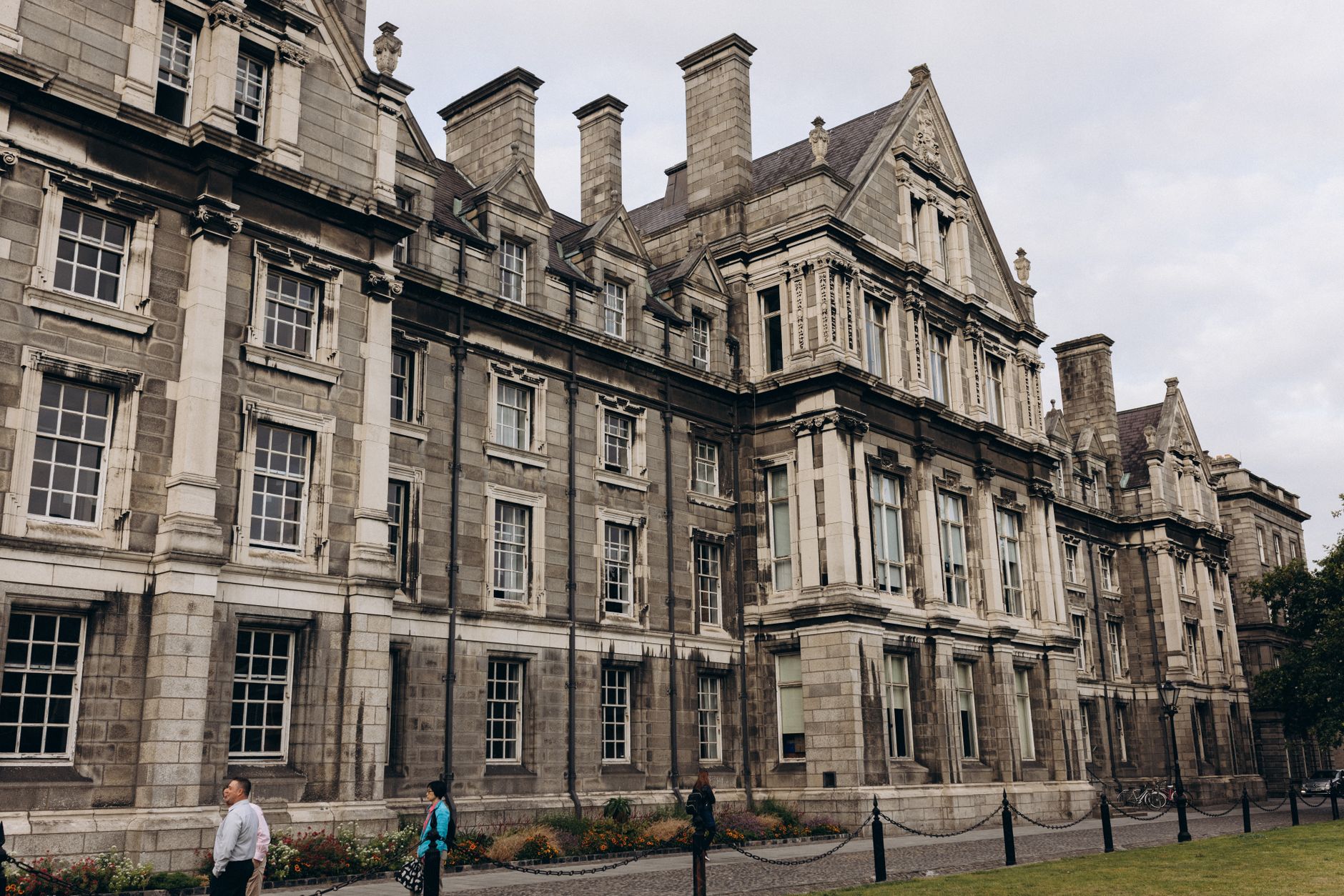
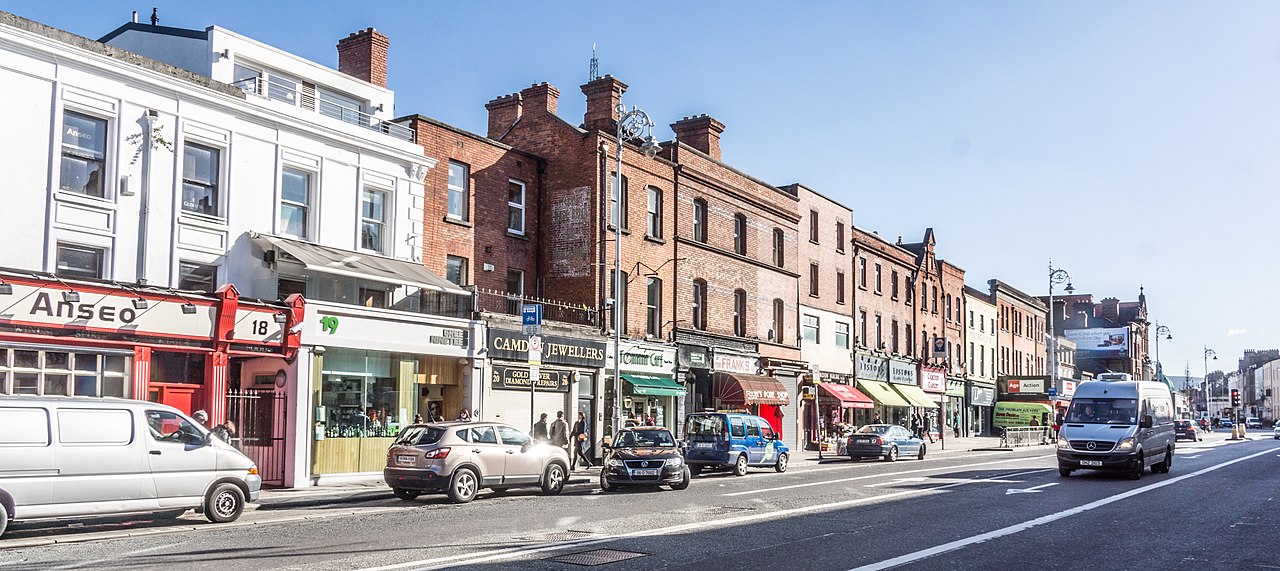
The streets here are narrow and mostly one-way, lined with red-brick and rendered terraces, many with original fanlights and iron railings. The canal itself is the defining landmark: a green corridor of water, locks and stone bridges that runs east toward Grand Canal Dock and west toward Kilmainham. Portobello Bridge is the central crossing point. Everyday life centres on the small shops, the church, the schools and the canal-side benches. There is a public square feel at the bridge end, where locals gather on sunny afternoons.
Food here is casual and local rather than destination dining. Expect a cluster of independent cafés doing good coffee and brunch, a couple of small ethnic restaurants, bakeries and convenience stores. Locals tend to eat at home or drift toward Camden Street and Rathmines for a wider choice. On weekends, the brunch spots along the canal get busy, so go early. There is no big market, but the nearby Grand Canal area and the city centre markets are easy to reach on foot or by a short bus ride.
Dublin's weather is famously changeable, and Portobello's canal setting means wind and rain can make the towpath slippery and exposed. Spring and early autumn are the most comfortable times to walk and sit outside. Summer brings longer evenings and a lively canal-side atmosphere, but the neighbourhood can get busy with day-trippers. Winter is quiet and cosy, with short days, but the cafés and small bars stay warm. Pack a rain jacket and comfortable shoes year-round, and expect the canal to be at its best on a dry, bright day.
Portobello is a mid-range neighbourhood by Dublin standards. Cafés and casual meals are affordable to moderately priced, while the small number of guesthouses and self-catering flats sit in the middle band. There are no luxury hotels here, and budget options are limited to a handful of hostels and simple rooms that book up early. Compared with the city centre, you get more space for your money, but you should still expect Dublin's generally high accommodation costs. Groceries and everyday shopping are reasonably priced for the city.
Before you arrive, know that Portobello is residential, so noise rules and quiet hours matter, especially in flats. Parking is tight and mostly permit-only on the back streets, so a car is a liability. The area is very walkable to the centre, but the canal towpath is unlit in places at night. Book accommodation well ahead, as supply is small. Ask your host about bin day, heating and any building works nearby, and confirm whether your room faces the canal or the street, since the two have very different noise levels.
The best place to stay in Portobello is along the canal-facing terraces and the quiet back streets just south of the Grand Canal, between Portobello Bridge and the older lock gates. Here you get the village feel, canal views and easy walking access to the centre, while remaining shielded from the busier traffic on the main roads. This part is mostly mid-range guesthouses, small boutique-style B&Bs and self-catering flats in converted Georgian houses. The streets running off the canal toward Rathmines are a little livelier, with more shops and passing traffic, and suit anyone who wants to be close to cafés and bus routes. Accommodation in this band is still largely mid-range, with a few smaller budget rooms in guesthouses. South of the canal, toward the Rathmines and Camden Street edges, the terraces get denser and noisier, especially on weekend nights, and the hotels here tend toward the mid-range to slightly upscale end, though still small in scale. The quietest pockets are the residential streets running west toward the Liberties, where you will find mostly budget and mid-range self-catering flats and a handful of simple guesthouses. There are no large luxury hotels in Portobello; the upscale options are limited to a few well-appointed boutique rooms, so book early. If you are sensitive to noise, ask for a room away from the canal bridge and the main road, and confirm whether your building has a lift, since many Georgian conversions do not. Expect compact rooms and steep stairs in the older houses.
Things to do in Portobello
The canal is Portobello's front garden, and the towpath between Portobello Bridge and the locks is an easy, flat walk that shows you the neighbourhood at its best. Go early in the morning to catch locals jogging and the light on the water, or in the late afternoon for a gentler pace. Bring a rain jacket, as the path is exposed, and watch for cyclists who move fast. Allow about forty minutes for a slow out-and-back, and rest on one of the canal-side benches near the bridge.
The small cafés along the canal's south side do a brisk weekend brunch trade, and it is the closest thing Portobello has to a social ritual. Arrive before mid-morning to avoid the longest queues, and expect a mix of locals and visitors. It is worth it for the people-watching and the chance to eat somewhere genuinely neighbourhood-run rather than tourist-facing. Bring cash as a backup, since some smaller places prefer it, and plan a slow canal walk afterwards to work off the food.
The Liberties begins just north of Portobello, and walking up through the older streets takes you past historic churches, markets and the cathedral district. It is worth doing on foot because the change in atmosphere from quiet canal village to busy historic quarter is abrupt and interesting. Go on a weekday morning when the markets are active. Wear comfortable shoes for the cobbles, allow a couple of hours, and use the walk as a way to reach the city centre without a bus.
The canal locks and stone bridges around Portobello are modest but rewarding for anyone interested in industrial heritage and canal life. The best time is a dry afternoon when you can linger and watch boats work through the gates. It is a short stop, maybe half an hour, and worth combining with a longer towpath walk. Bring a camera, watch your footing on wet stone, and check the canal-side signs for any maintenance closures before you set out.
Portobello itself is quiet in the evening, but Camden Street is only a short walk away and offers a much bigger choice of bars and casual restaurants. It is worth it if you want a night out without a long journey home. Go after dark, keep to the main streets, and walk back along the canal if you want a calmer route. Allow a full evening, and agree a meeting point with your group since the street gets crowded on weekends.
The real character of Portobello is in its narrow residential streets, where Georgian fanlights, iron railings and small front gardens survive in good number. A self-guided wander is worth it for architecture and neighbourhood atmosphere, and it costs nothing. Go on a weekday when the streets are quiet, keep your voice down out of respect for residents, and avoid blocking driveways. Allow an hour, bring a map or phone, and finish with a coffee near the bridge.
What to see
Hotels in Portobello
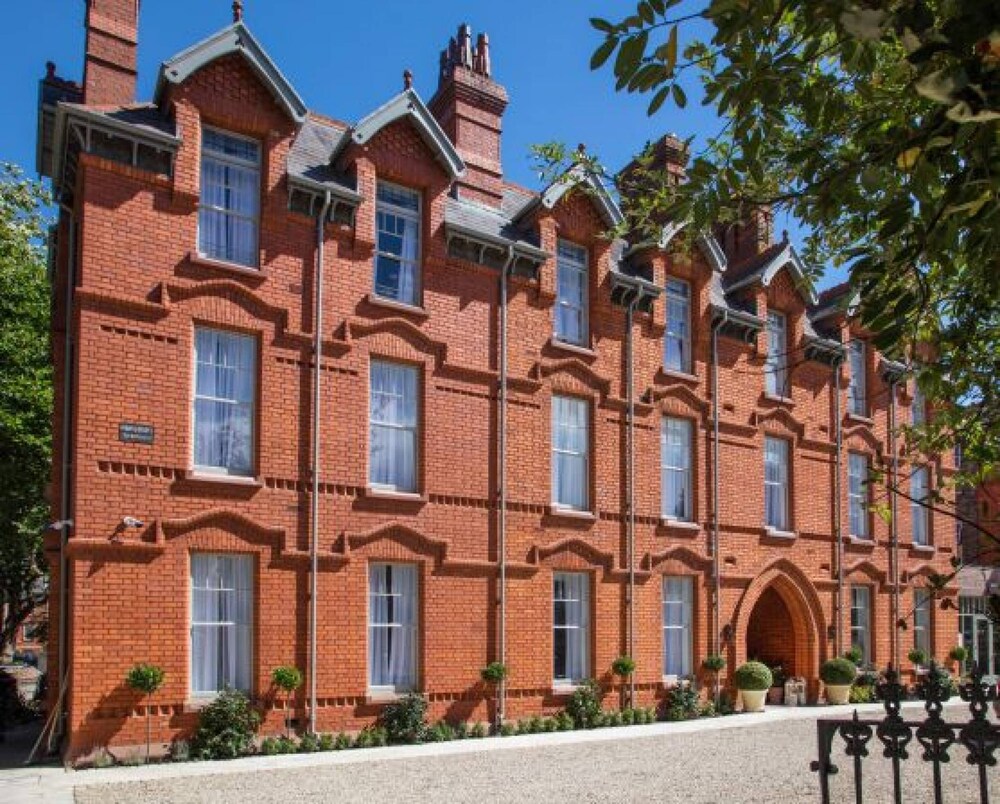
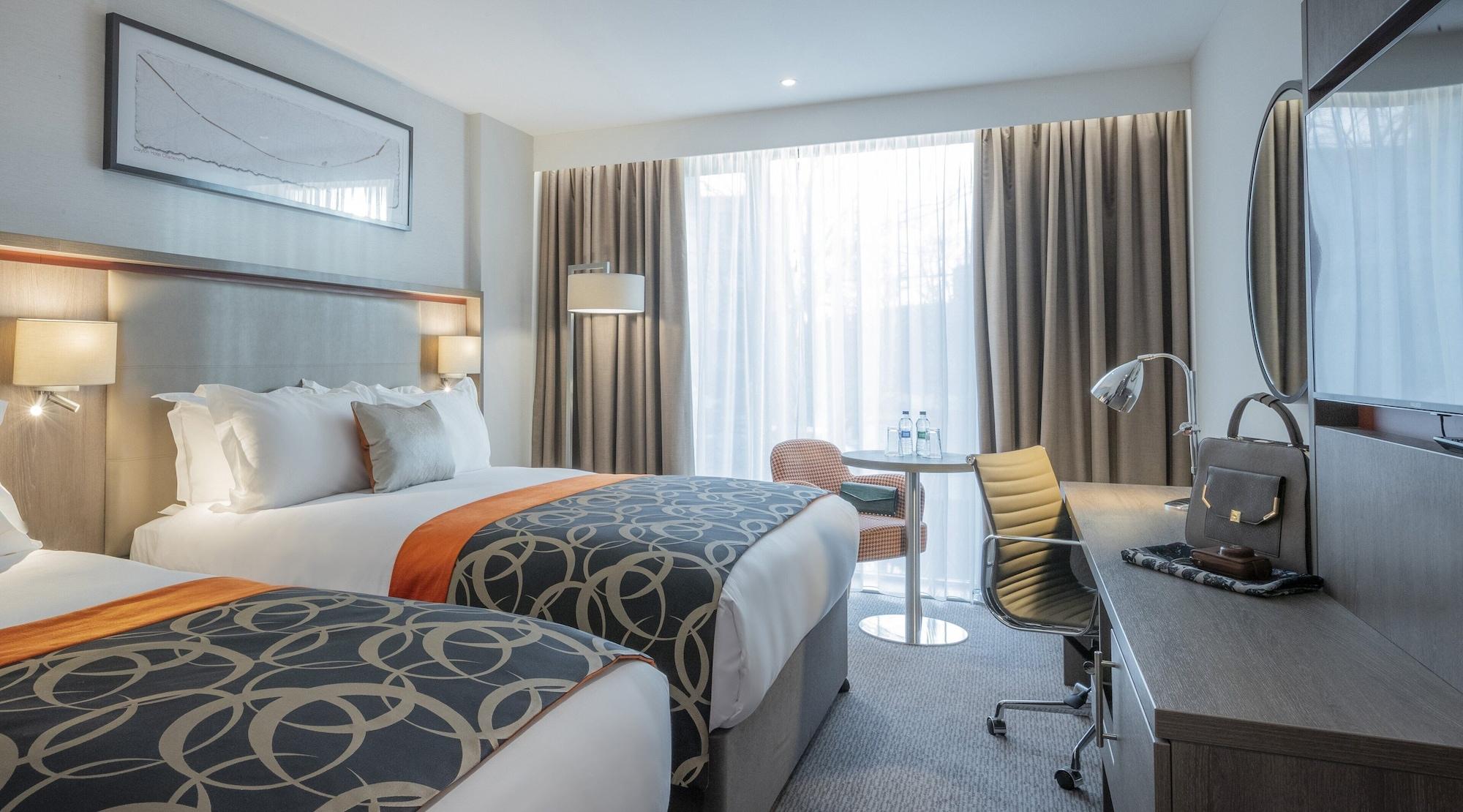

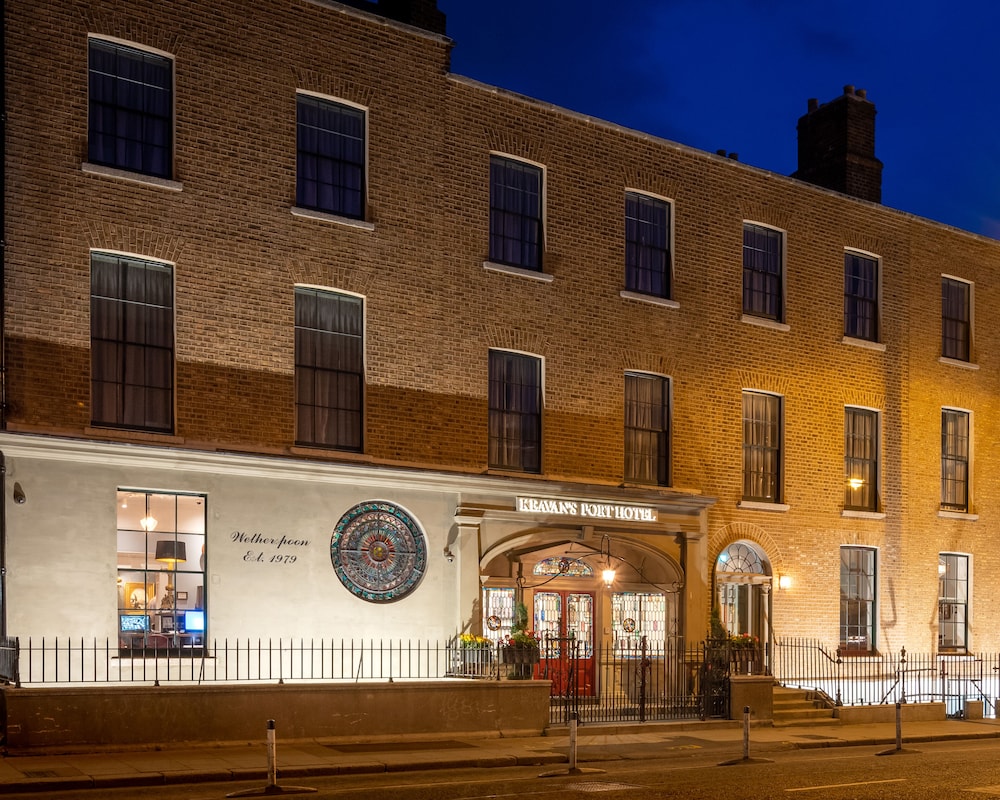
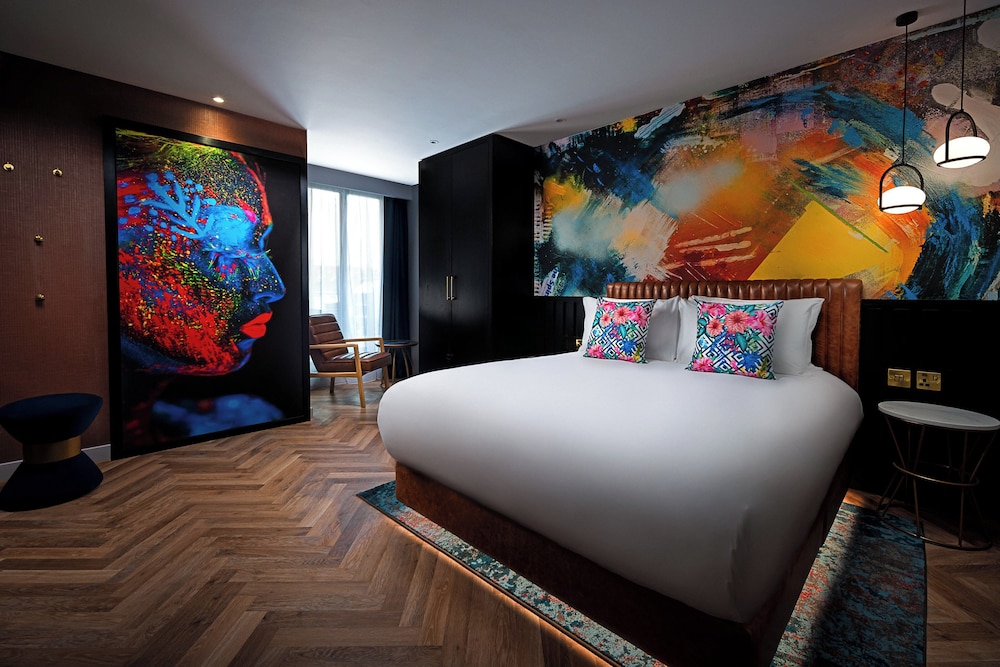
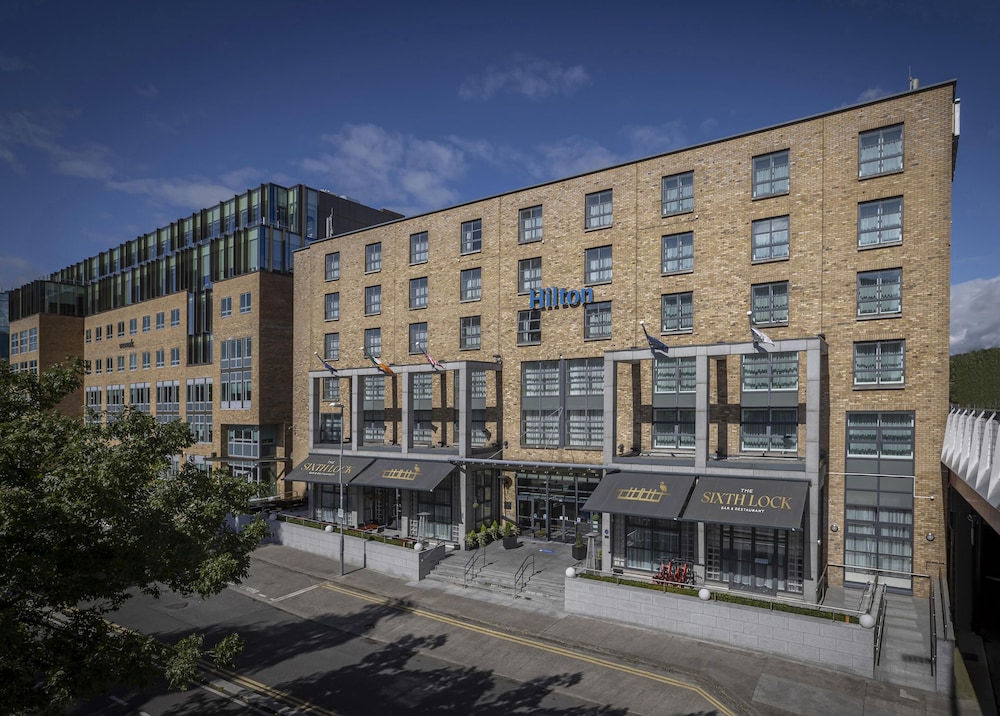
Every hotel we cover in Portobello
- The Van Morrison Suite hiphipstay 5★
- The Wilder 4★ · 4.7/5
- Clayton Hotel Charlemont Dublin City 4★ · 4.6/5
- Camden Court Hotel 4★ · 4.4/5
- Keavan’s Port Hotel Dublin 4★ · 4.3/5
- Hilton Dublin 4★ · 4.2/5
- NYX Hotel Dublin Portobello 4★ · 4.2/5
- City Center House Camden Street 4★
- The Historical Harcourt Suites 4★
- Beautifully Decorated Home in Dublin 3★
- Charlemont Holiday Apartment 3★
- Elegant 1 Bedroom Dublin Apartment 3★
- Fantastic 2BD apt in THE best location in Dublin 3★
- Kilronan House 3★
- Large 2bd at trendy Portobello Dublin city centre 3★
- Modern Loft 1 Bedroom Studio in Heart of Rathmines Dublin 3★
- Renovated 2 Bedroom Dublin Flat By City Centre 3★
- Spacious 1 Bedroom Apartment in Stylish Rathmines Dublin 3★
- Studio For 2 in Rathmines 3★
- Harrington House Hostel 2★
- Modern Studio in Rathmines 2★
- Portobello Hotel 2★
Getting around Portobello
Portobello is easy to reach from Dublin Airport by taxi or app, which takes roughly thirty to forty-five minutes depending on traffic, or by taking a bus or coach into the city centre and then a short walk or local bus south. Several city bus routes run along the main roads bordering the neighbourhood, connecting it to the centre in about fifteen to twenty minutes. The area has no train or tram stop of its own, but the Luas green line stops at nearby Ranelagh and the city centre, both within a fifteen- to twenty-minute walk. Walking is the best way to get around: the canal towpath and the grid of streets make it simple to reach the Liberties, Camden Street and the city centre on foot in roughly twenty to thirty minutes. Driving is not recommended, as the streets are narrow, many are one-way, and parking is mostly permit-only with limited paid spaces. If you must drive, use a nearby public car park and expect to pay by the hour. Taxis and apps are easy to hail from the main road near the bridge, and the neighbourhood is safe to walk at night on the lit main streets, though the towpath is darker after dusk.
Questions about Portobello
It is a good choice if you want a quiet, residential base within walking distance of the centre and Camden Street, but it is not the best area if you want to step out of your door onto major sights. First-timers who value calm, cafés and canal walks will enjoy it, while those who want to be in the thick of things should look at Temple Bar or the Trinity College area instead. The walk to the centre is about twenty to thirty minutes, and buses are frequent from the main road, so it is still convenient.
The simplest way is to walk, which takes roughly twenty to thirty minutes to Trinity College and the shopping streets, following the canal east and then cutting north. Several city buses run along the main roads bordering the neighbourhood and reach the centre in about fifteen to twenty minutes, depending on traffic. The Luas green line at nearby Ranelagh is a fifteen- to twenty-minute walk and connects to the city centre and beyond. Taxis and apps are easy to find near Portobello Bridge, especially in the evenings, and a short hop into the centre is quick outside peak hours.
Yes, but on a small scale. The canal-side strip has a handful of independent cafés, bakeries and casual restaurants, plus convenience stores for basics. For a wider choice of restaurants, bars and supermarkets, locals walk five to ten minutes to Camden Street or Rathmines, both of which have far more options. There is no large market in Portobello, so for fresh produce and bigger shopping trips you will need to head into the city centre or to the nearest supermarket in Rathmines. Expect quieter evenings here than in the busier nightlife districts.
Parking is limited and mostly permit-only on the residential back streets, so a car is more of a liability than an asset here. There are some paid on-street spaces near the main roads, but they are in high demand and often full. If you are driving, use a nearby public car park and expect to pay by the hour. Most visitors find it easier to arrive by bus, taxi or on foot, and to use public transport for day trips. Check with your accommodation about any dedicated parking before you book.
Portobello is quiet at night compared with the city centre, with most activity concentrated in the cafés and small bars along the canal and the nearby Camden Street strip. The main streets are well lit and generally safe to walk, and locals are used to visitors passing through. The canal towpath is darker in places after dusk, so it is better to stick to the lit streets if you are walking alone late. As in any city, keep an eye on your belongings, avoid unlit shortcuts, and use taxis or apps if you are out very late.