Sandymount
A low-rise coastal village on Dublin Bay where you can walk to the strand, the village green and the city in one morning.
 Sandymount Strand. Photo: acediscovery, CC BY 4.0, via Wikimedia Commons
Why people stay in Sandymount
Sandymount sits on the south side of Dublin Bay, roughly three kilometres east of the city centre, in a pocket of low-rise Victorian and Edwardian housing between the Grand Canal and the sea. It grew as a seaside resort in the nineteenth century and still keeps that shape: a triangular village green, a small cluster of shops and churches around it, and long straight roads running down to the water. The Dart line tracks the coast here, so the neighbourhood is stitched into the city rather than cut off from it, and the strand at the bottom of the streets is one of the most accessible stretches of open shore on this side of the bay.
This is a good base if you want a residential, quiet place to sleep that still puts you fifteen to twenty minutes from the centre by train. Couples, walkers, birdwatchers and people visiting for a rugby weekend at the nearby stadium all fit well. It is less suited to anyone who wants nightlife on the doorstep, late-night food within a few steps, or a buzzy hotel-lobby scene; Sandymount mostly shuts down after the evening, and the streets are dark and still. If you need a lot of choice in restaurants, bars or shops within a five-minute walk, look at the city centre instead.
By day the village has a gentle hum: people queuing at the small shops on the green, parents on the school run, joggers heading for the strand. The seafront is busiest on weekend mornings and on any clear afternoon, when half the neighbourhood seems to be walking the promenade. In the evening the pubs around the green fill up but do not spill over, and after about ten the streets go quiet apart from the odd taxi. It feels safe and domestic, not empty, and the sound of the Dart and the distant sea is the background rather than traffic.
The landmarks are modest and that is the point. The village green is the anchor, with the churches around it and the rows of red-brick terraces fanning out towards the bay. The Martello tower on the strand at Sandymount is a reminder of the old coastal defences, and the long promenade and beach at Sandymount Strand are the reason most visitors come. Everyday life is small-scale: a couple of food shops, a pharmacy, a bank, a post office, a handful of pubs and restaurants. Nearby Poolbeg and Irishtown carry on the same low-key coastal feel, and the Aviva Stadium is a short walk or one train stop away.
Food here is neighbourhood food rather than destination dining. Around the green you will find pubs doing solid carvery and bar food, a few casual cafés for breakfast and lunch, a fish-and-chip shop, and some Italian and Asian takeaways; the standard is decent rather than exciting. Locals tend to eat at home or drive or take the train into town for a proper dinner. For a self-catering stay the small groceries cover the basics, and the wider choice in Ballsbridge and the city centre is a short hop away. On weekend mornings the cafés around the green are the busiest spots.
Weather is the main variable here, because the whole appeal is outdoors. The strand is exposed and the wind is real; a sunny summer day is glorious, but the same walk in February is bracing. Come between late spring and early autumn if you want to use the beach comfortably, and pack a waterproof and a warm layer whatever the month. Summer weekends are the busiest and the village can feel crowded around the green, while winter is quiet and atmospheric if you do not mind short daylight. Tides matter on the strand; check before walking far out.
Costs in Sandymount sit in the mid-range bracket for Dublin: a little below the city-centre hotels but above the cheapest suburbs, because the coastal location and the Dart line carry a premium. Eating and drinking around the green is neighbourhood-priced, roughly mid-range for a pub meal, and cheaper than the centre for a casual lunch. Self-catering and longer stays can work out well if you use the local shops. Budget travellers will find limited cheap accommodation, so plan to pay mid-range or stay further out.
Know before you arrive that Sandymount is a residential area with a village timetable: shops close early, restaurants stop serving relatively early, and Sunday can be very quiet. The Dart is your friend for getting into town and to the stadium on match days, when the area gets busy and the roads near the Aviva close. Parking on the streets is permit-controlled in places, so check with your host. Sandymount Strand has strong tides and soft sand in places, so keep an eye on the water and do not walk out beyond the marked areas. The nearest large supermarket is in Ballsbridge.
The best place to stay is the triangle of streets around Sandymount Green and the roads running down to the strand, which give you the village shops, the pubs and the sea within a few minutes' walk; the terraces along the green and the streets off it are the most pleasant. Expect mostly small, owner-run guesthouses and B&Bs in converted Victorian houses, with a handful of small hotels near the coast and towards Ballsbridge; the stock is limited, so book early. The green itself is quiet at night but has the pub and restaurant trade, so it is the liveliest spot in an otherwise calm area. Streets closer to the strand and towards Irishtown and Poolbeg are quieter still, and the roads nearer the Dart line and the stadium pick up noise on match days and at commuting times. Class-wise, Sandymount is solidly mid-range: comfortable guesthouses and small hotels rather than budget hostels, and only the odd upscale room, so if you want a hostel or a cheap single you are better off in the city centre. If you want a lively base, choose the green; if you want pure quiet and sea air, choose the streets closest to the strand.
Things to do in Sandymount
The long beach and promenade at the bottom of the village is the reason to be here: a wide, open sweep of sand with views across the bay to the city and the Poolbeg towers. Go at low tide for the most sand and the best walking, and wear shoes you do not mind getting damp. It is exposed, so bring a windproof layer even on a bright day. Allow an hour or two for an out-and-back, and check the tide tables before heading far out. Birdwatchers should bring binoculars for the waders on the mudflats.
The squat round tower on the strand at Sandymount is one of a chain of early nineteenth-century coastal defences built against a feared French invasion, and it is a good landmark to aim for on a seafront walk. It is a quick stop rather than a full attraction, so combine it with the beach or the promenade. The best light is late afternoon, and it is a fine place to pause and look back at the city skyline. Do not expect to go inside; it is the setting and the history that make it worth the walk.
The Aviva Stadium, a short walk or one Dart stop away towards Ballsbridge, hosts international rugby and football matches and concerts, and a match weekend transforms the area. If you have a ticket, arrive early because the approach roads get crowded and closed to traffic. Even without a ticket, the atmosphere in the pubs around Sandymount and Ballsbridge on match day is worth experiencing. Check the fixture list before you book, and if you want a quiet stay, avoid match weekends or pick a room away from the stadium.
Continue along the coast from Sandymount towards Irishtown and Poolbeg for a longer waterside walk with fewer crowds and good views of the bay, the port and the Poolbeg chimneys. It is flat and easy, but exposed, so bring a layer and a drink. The route passes through residential streets and open ground rather than cafés, so plan your stop back at the village green. Allow about an hour and a half to two hours for a comfortable loop, and go in the morning for calmer light.
Sandymount Green is the heart of the neighbourhood, a triangular open space ringed by churches, shops and pubs. It is not a sight in itself but a good place to sit and watch village life, especially on a weekend morning when the cafés and food shops are busy. Use it as a base for a slow half-day: coffee, a browse in the small shops, a look at the surrounding Victorian terraces. It is also the natural meeting point before or after a walk to the strand.
The Dart line makes Sandymount an easy launchpad for the coast: north to the city centre and Clontarf, or south to Dalkey and Killiney for hill walks and views over the bay. Buy a ticket at the station and treat the train as part of the day out, since the coastal stretch is scenic in itself. Go on a clear day for the best views, and allow a full afternoon if you head south. Check return times before you set off, as services thin out later in the evening.
What to see
Hotels in Sandymount

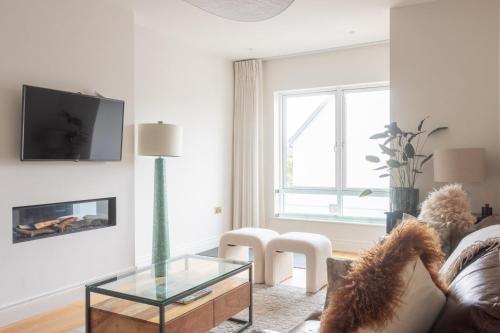
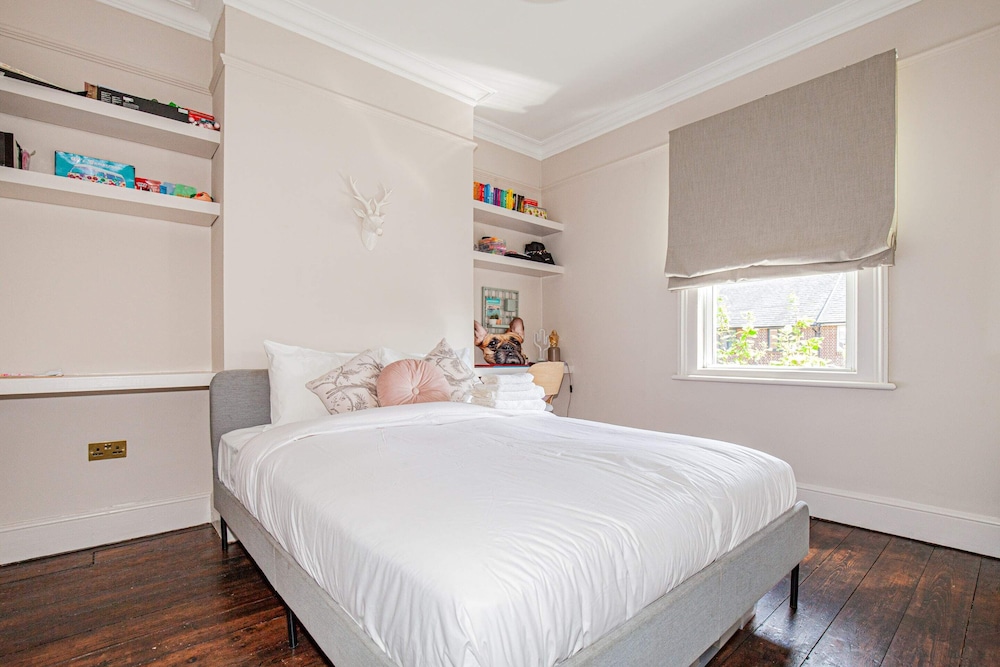


Every hotel we cover in Sandymount
- The Sandymount Hotel 4★ · 4.3/5
- Aberdeen Lodge 4★
- Charming 3BD Oasis 3 Min Walk From Beach Front 4★
- Chic & Characteristic 2BD House Irishtown 4★
- GuestReady Amazing house in Sandymount 4★
- 2 Bedroom House Near The Sea 3★
- Beach House B&B 3★
- Chic Dublin 4 Maisonette
- Single room in a charming apartment with the terrace in Sandymount
- The Merry Cobbler
Getting around Sandymount
Sandymount is served by its own Dart station, which is the easiest way in and out: trains run frequently along the coast into the city centre in roughly ten to fifteen minutes and south towards Dalkey and Bray. From Dublin Airport, the usual options are a taxi or app for the roughly half-hour run depending on traffic, or a bus or coach into the city centre followed by the Dart or a local bus out to Sandymount. Taxis and apps are easy to find around the green and at the station but scarcer late at night. Driving is possible but the streets are narrow and permit-controlled in places, so check parking with your host; there is limited on-street parking and match days near the Aviva close roads and fill the area. Once here, everything in the village and the strand is walkable, and the seafront promenade is a pleasant route to Irishtown, Poolbeg and Ballsbridge. For the city centre, the Dart is quicker than driving, and buses also connect the area. Allow extra time on rugby and concert days at the stadium.
Questions about Sandymount
Yes, if you want a quiet residential base with sea air. The Dart station puts you in the city centre in roughly ten to fifteen minutes, and the strand is on the doorstep. It is less convenient if you plan late nights, since the area shuts down early and you will be relying on trains or taxis to get back. For a mix of city sightseeing and coastal walks, it works well; for non-stop nightlife, stay central.
The strand is tidal, so the amount of sand varies through the day and the water comes in fast. Walk at low tide for the most space and check tide tables before heading far out, and avoid soft mud and channels. The promenade and path are walkable at any time. It is exposed and windy, so bring a warm, windproof layer even in summer, and wear shoes you do not mind getting damp.
The simplest route is a taxi or app direct to your accommodation, which typically takes around half an hour depending on traffic. Cheaper options are a bus or coach into the city centre, then the Dart from a central station out to Sandymount, or a local bus. Allow extra time at peak hours. If you arrive late, check that your accommodation offers check-in at that hour and book a taxi in advance if needed.
The choice is neighbourhood-scale: pubs around the green doing bar food and carvery, a few casual cafés for breakfast and lunch, a fish-and-chip shop, and some Italian and Asian takeaways. It is decent rather than destination dining, and most places stop serving relatively early. For a wider choice, take the Dart into the city centre or walk towards Ballsbridge. Self-caterers will find small groceries around the green for basics.
Yes. The Aviva Stadium is a short walk or one Dart stop away, so on rugby, football and concert days the area gets busy, trains are crowded and some roads near the stadium close. Pubs around the green fill up and the atmosphere is lively. If you want a quiet stay, check the fixture list and avoid those weekends, or choose accommodation away from the stadium and the Dart line.