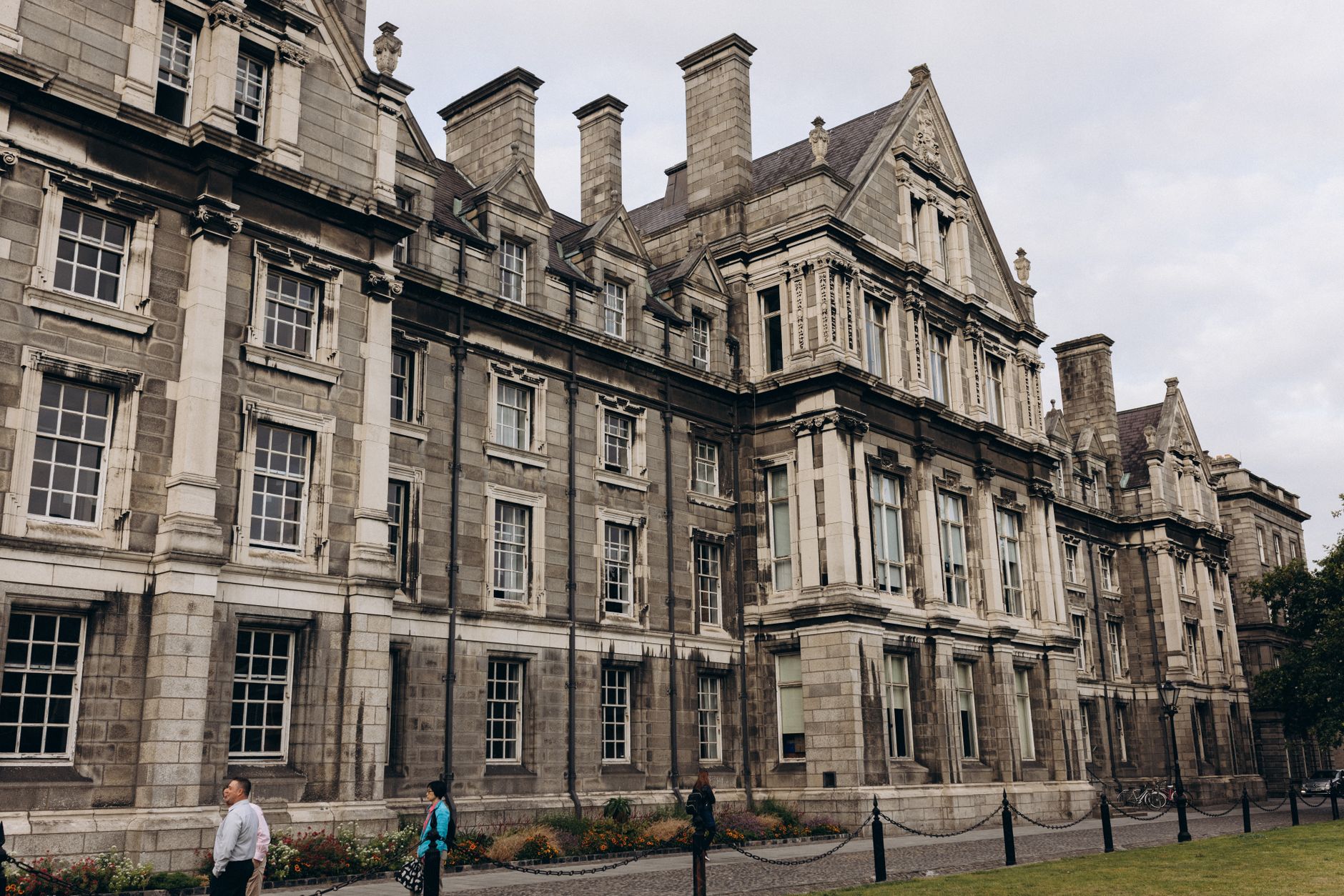
Stoneybatter
A low-rise old village on Dublin's north-west edge, all brick terraces and corner shops, where the city still feels like a neighbourhood.
 Manor Street, Stoneybatter. Photo: William Murphy, CC BY-SA 3.0, via Wikimedia Commons
Why people stay in Stoneybatter
Stoneybatter sits on the north side of the Liffey, roughly between the Phoenix Park to the west and the old market quarter of Smithfield to the east. It is one of Dublin's oldest working districts, laid out along a main street that bends and narrows in the way pre-planned villages do. The terraces are mostly small, two-storey brick houses from the nineteenth century, and the area has kept a village scale even as the wider city has grown around it. The Liffey, the Four Courts and the city centre are a comfortable walk south and east, but the streets here still feel removed from the bustle.
This is a good base for people who want a lived-in neighbourhood rather than a tourist zone, who don't mind a fifteen- to twenty-five-minute walk to the centre, and who value quiet at night over crowds on the doorstep. It suits couples and solo travellers, and anyone staying longer than a couple of nights. It does not suit people who want to step out of a hotel into major sights, nor those with limited mobility who rely on everything being flat and adjacent: the pavements are uneven in places and some streets rise gently.
By day the area is calm and domestic. People queue at the pharmacy, wheel buggies along the main street, and the terrace fronts are quiet. In the evening it changes character a little: the main street and the lanes off it fill with people eating and drinking, mostly locals rather than visitors, and there is a low hum of conversation rather than anything raucous. Because the streets are narrow and the houses close together, noise from a busy corner can carry, so a room on a back garden is worth asking for.
The spine of the area is Stoneybatter's own main street, which runs roughly north-south and is lined with small shops, a couple of churches and low buildings that have changed use many times over the decades. Off it run tight lanes and terraces like Manor Street and Prussia Street, where you get a clearer sense of the old village plan. Smithfield Plaza and the old distillery buildings sit just east, and the gates of the Phoenix Park are a short walk north-west. Everyday life is still visible here: schools, corner shops, a post office, and the kind of small businesses that serve a residential street.
Food in Stoneybatter is one of its quiet strengths. There is a cluster of small restaurants and cafés along the main street and its side lanes, ranging from casual to ambitious, plus a few old-style shops where you can buy bread, cheese and produce. The weekly market at Smithfield, a short walk away, is useful for a Saturday morning. Locals eat out here rather than treat it as a destination, which keeps the atmosphere relaxed. Expect a mix of Irish produce, some European cooking and a handful of places worth booking ahead at weekends.
Dublin is mild and damp rather than dramatically seasonal. Spring and early summer are the most pleasant times: longer evenings, the terraces in leaf, and enough warmth to sit outside. Autumn is often the best-kept secret, with softer light and fewer people. Winter is dark by mid-afternoon and rain is common, but the pubs and cafés are cosier for it. Whatever the month, bring a waterproof layer and shoes that can handle wet pavements, because the weather turns quickly and the streets here are not always well drained.
Costs here sit in the mid-range for the city: not the cheapest corner of Dublin, but noticeably less than the prime tourist streets. Accommodation is mostly small guesthouses and short-let apartments rather than big hotels, so the class of place you get varies more than the price suggests. Eating and drinking are mid-range to upscale at the newer restaurants and budget to mid-range at the older cafés and pubs. Groceries and everyday shopping are ordinary neighbourhood prices rather than tourist-markup ones.
Before you arrive, know that this is a residential area first. Keep noise down late at night, and treat the lanes and front gardens as people's homes. Public transport is good but not on the doorstep for every street: you will likely walk ten to fifteen minutes to a tram or bus. Parking is limited and mostly permit-controlled, so a car is more hindrance than help here. Ask your host which cross-streets are easiest for a taxi drop-off, because some of the lanes are one-way and narrow.
The best streets to stay on are the quieter residential terraces off the main Stoneybatter spine, and the lanes running towards Prussia Street and Manor Street, where you get the village feel without being directly over a busy corner. If you want to be close to restaurants and evening life, aim for the middle of the main street or the blocks just off it; expect a little more noise at weekends, especially from the pub corners. If you want quiet, pick a terrace further north or west, or a house with a back garden, and ask specifically for a room away from the street. Accommodation here is mostly small: guesthouses, a handful of self-catering apartments and short-let terraces rather than large hotels. The class of places is mostly mid-range, with some upscale townhouse-style stays and a few budget rooms in older buildings. Because stock is small, book early for weekends and around big events at the nearby venues. Check whether your place has its own entrance and whether the street is one-way, because taxis sometimes cannot get right to the door.
Things to do in Stoneybatter
Stoneybatter's main street and the lanes off it are the point of the area: tight brick terraces, old shopfronts and a street plan that predates the Georgian city. Walk it slowly from the northern end down towards Smithfield, detouring into Manor Street and Prussia Street for the quieter residential stretches. Best in the morning when the shops are opening and the light is soft. Allow an hour at an easy pace, wear comfortable shoes for uneven pavements, and bring a rain layer.
The park is one of the largest enclosed city parks in Europe, and the Stoneybatter side gives you a low-key entrance away from the main tourist routes. Walk in for the wide avenues, the deer that roam the open grassland, and the sense of space after the tight streets. It is worth a half-day if the weather is kind. Go early to see the deer active, bring water, and note that the park is vast: pick one route rather than trying to cover it all.
A short walk east brings you to Smithfield, a broad open plaza framed by old distillery and warehouse buildings now in cultural and commercial use. It is worth it for the contrast between the tight village streets and the wide cobbled square, and for the sense of the area's industrial past. The weekly market on Saturdays is the liveliest time. Allow an hour or two, and combine it with a walk along the river if the weather holds.
Walk south-east to the river and the domed Four Courts building, one of Dublin's grandest classical landmarks. The quays here give you long views along the Liffey and a sense of how the north and south sides connect. Worth an hour at dusk when the building is lit and the river traffic has thinned. Stick to the main quays after dark rather than the smaller side streets, and bring a jacket for the wind off the water.
Stoneybatter's small food shops and cafés are part of why people like staying here: you can assemble a decent picnic or a slow breakfast without going into the centre. Do a short loop of the main street and its lanes, stopping for bread, cheese and coffee. Best mid-morning on a weekday when it is not crowded. Allow a couple of hours, bring a bag, and ask staff for what is local and in season rather than going for the obvious.
The area's restaurants and pubs are concentrated along the main street, and an evening here shows you the neighbourhood at its most social. It is worth it because you eat among locals rather than tourists, and the scale is small enough to wander between places. Book ahead for weekend dinners at the better restaurants. Start around early evening, keep it to one street so you can walk home, and expect a relaxed rather than late-night atmosphere.
What to see
Hotels in Stoneybatter




Every hotel we cover in Stoneybatter
- Ashling Hotel Dublin 4★ · 4.4/5
- Glencourt Apartments 4★
- North Circular Serviced Accommodation 2★ · 4.6/5
- Destiny Student Parkgate 3★ · 4/5
- Grangegorman House 3★ · 3.9/5
- Stoneybatter Self Catering 2★ · 1/5
- 1 Bedroom Flat Close to City Centre 3★
- Bradogue Court Apartment 3★
- North Circular Studios 1 3★
- The Residence Dublin 2★
- Tipperary House Dublin 2★
- Apt in Stoneybatter D7
Getting around Stoneybatter
Stoneybatter is close enough to the centre that walking is often the fastest way in: expect roughly fifteen to twenty-five minutes on foot to the main shopping streets depending on where you start. The Luas tram line runs nearby on the Smithfield side, and there are bus routes along the main roads, so you are not dependent on a car. From Dublin Airport, a taxi or app-based car takes roughly twenty-five to forty minutes depending on traffic, and the airport buses drop at the city centre, from where it is a short tram ride or a walk. Driving is possible but not rewarding: the streets are narrow, several are one-way, and parking is limited and mostly permit-controlled, so use a car park on the edge of the area rather than circling. Within the neighbourhood everything is walkable, though pavements are uneven and some streets rise gently. Taxis are easy to flag on the main road but harder to find in the lanes; ask your host for the nearest good drop-off point.
Questions about Stoneybatter
It works well if you want a quieter, residential base and don't mind a fifteen- to twenty-five-minute walk to the centre. You get a real neighbourhood feel, good local food and easy access to the Phoenix Park and Smithfield. It is less ideal if you want to step out onto major sights or be in the middle of nightlife. For a short first trip focused on the centre, staying closer in may suit you better; for a longer stay or a repeat visit, Stoneybatter is a strong choice.
The simplest options are a taxi or app-based car, which takes roughly twenty-five to forty minutes depending on traffic, or an airport bus to the city centre followed by a short tram ride or walk. There is no direct train from the airport. If you arrive late, pre-book a car rather than relying on flagging one. Ask your host for the best drop-off cross-street, because some lanes are one-way and narrow and a taxi may not be able to reach the door.
Mostly no, but it depends on the street. The main street and the corners near the pubs and restaurants get busier in the evening and at weekends, and sound carries between the close terraces. Streets further from the main spine, or rooms at the back of a house, are much quieter. If you are a light sleeper, ask specifically for a back room and check whether your place sits directly over a bar or restaurant.
No, and a car is more trouble than it is worth. The area is walkable, the tram and buses connect you to the centre, and parking is limited and mostly permit-controlled. If you are using Stoneybatter as a base for day trips out of Dublin, pick up a hire car from the city rather than keeping one on the street. Use a nearby car park for short stays and rely on walking and public transport for everything inside the city.
The main street and its side lanes have a cluster of small restaurants, cafés and pubs ranging from casual to more ambitious, mostly aimed at locals. There are also old-style shops for bread, cheese and produce if you want to self-cater. The Saturday market at nearby Smithfield is useful for a morning. Book ahead for weekend dinners at the better places, and expect a relaxed rather than late-night scene.