Beaumont
A quiet, residential northside district around a major hospital, useful as a calm, well-connected base away from the tourist centre.
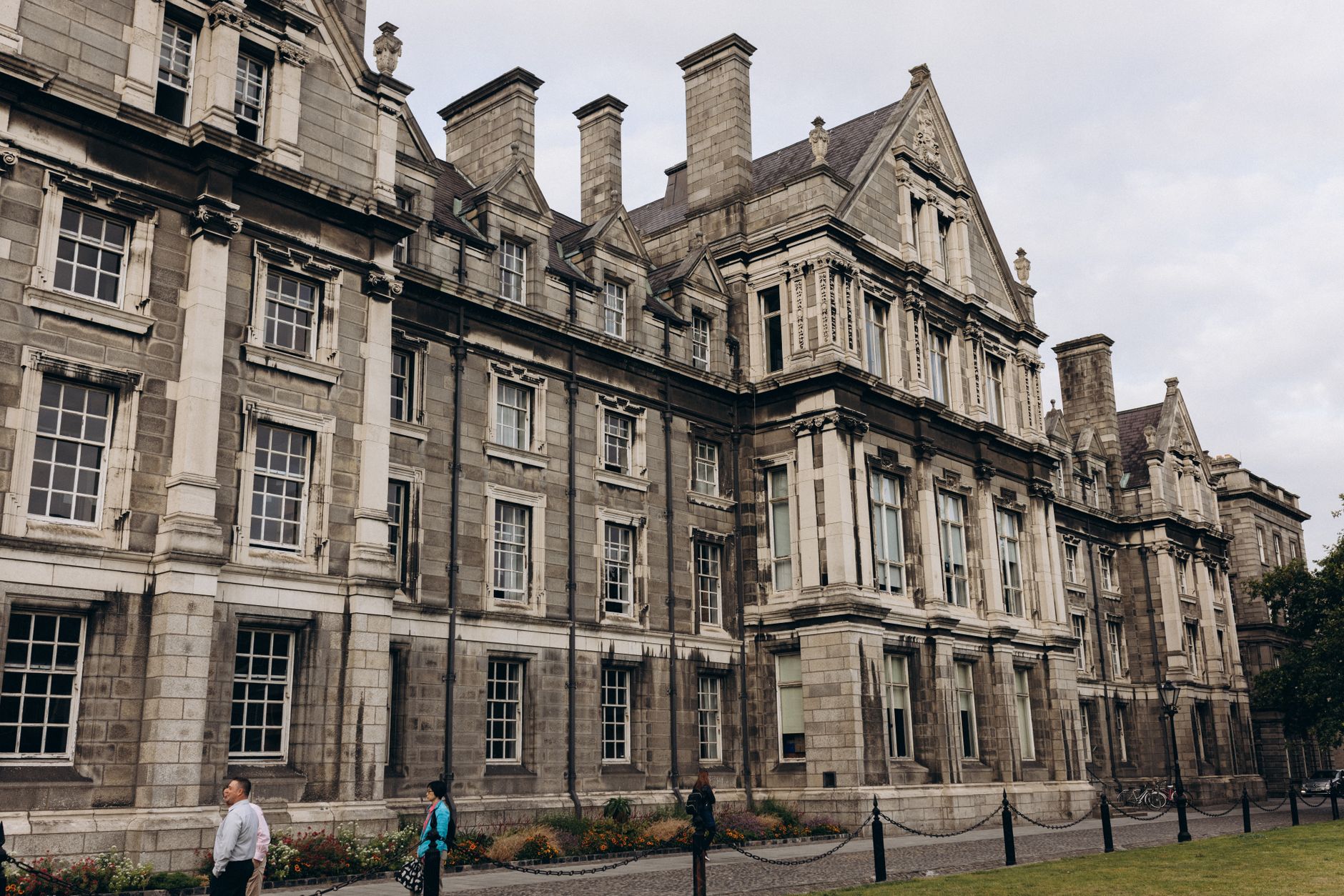
 Beaumont Hospital. Photo: Darren J. Prior, CC BY-SA 4.0, via Wikimedia Commons
Why people stay in Beaumont
Beaumont sits in the north-eastern suburbs of Dublin, several kilometres from the city centre and just inland from the coastal stretches around Clontarf and Fairview. It is a low-rise, largely residential neighbourhood built up around a major hospital campus, with wide roads, semi-detached houses and a scattering of local shops rather than grand civic squares or visitor sights. The area spreads gently toward Santry to the north and Drumcondra to the west, and its character is shaped far more by everyday Dublin life than by tourism. If you picture a working suburb with a hospital at its heart, open green space nearby and frequent buses into town, you have the right idea.
This is a place for travellers who value quiet, parking and a straightforward bus or short drive into the centre, and for anyone visiting patients or working at the hospital. It suits longer stays, families with a car, and people who prefer to sleep somewhere calm and travel in for the sights. It does not suit those who want to step out of the door into pubs, restaurants and landmarks — the tourist core of Dublin is a trip away, not a stroll. If your ideal evening is wandering between packed bars in Temple Bar, base yourself closer in; if it is a quiet night and an easy commute, Beaumont works well.
By day Beaumont feels ordinary in a reassuring way: school runs, delivery vans, people heading to work at the hospital, and short queues at local shops. Traffic on the main arteries can be heavy at peak times, but the side streets stay leafy and hushed. In the evening the neighbourhood settles down early — this is not a nightlife district. Expect calm residential roads, the occasional takeaway, and the soft glow of sitting rooms rather than neon. The hospital campus stays busiest in the daytime, and the surrounding streets remain quiet after dark.
The area is stitched together by long straight roads, roundabouts and pockets of green rather than a single high street. Everyday life revolves around the local shops, the hospital campus and the bus corridors that run toward the city. There are no headline landmarks here; instead you get functional streets, occasional views toward the hills on clear days, and a genuine sense of a place where people live and work rather than pose. Walking is pleasant on the residential roads but less so along the busier arteries, so pick your route with a little care.
Food and drink in Beaumont lean local and practical rather than destination-worthy. Expect neighbourhood shops for groceries and sandwiches, a few takeaways, and casual spots that serve the hospital and residential trade. For a wider choice, locals head toward Fairview, Drumcondra or Clontarf, all a short hop away, where there is a broader spread of cafes, pubs and restaurants. If you are self-catering or staying a few nights, doing a proper food shop nearby and eating out in the neighbouring districts is the sensible approach rather than expecting a restaurant strip on your doorstep.
Beaumont is a place of ordinary Dublin weather: mild, changeable and often breezy, with rain possible in any month. Spring and early summer are the most pleasant times to walk the residential streets and nearby green spaces, while winter evenings are dark and quiet. Because there is little in the way of covered attractions, plan for the weather — carry a rain layer and decent shoes, and treat sunny spells as your cue to get out. Fairview to the south and coastal Clontarf to the south-east catch the sea air, so a windproof layer is worth having even on a bright day.
Costs here sit in the budget-to-mid-range bracket for accommodation, which is one of the area's main draws compared with the centre. Eating and drinking are similarly modest: local shops and casual takeaways dominate, and a night out is cheaper than in the tourist core, though you will likely travel for the widest choice. Parking, where available, tends to be easier and less costly than downtown. Overall, Beaumont lets you spend less on sleeping and put the savings toward transport and meals in the city.
Before you arrive, understand that Beaumont is a residential suburb, not a visitor quarter — shops close early, nightlife is minimal, and you will rely on buses, a car or taxis to reach the sights. Check that your accommodation has parking if you are driving, as on-street space near the hospital can be tight during the day. Bring a Leap card for the buses and allow generous time at rush hour. Ask your host about the nearest bus stop and the quickest route into town, since the exact connections vary street by street.
For most visitors, the best place to base yourself in Beaumont is on one of the quieter residential side streets off the main bus corridors, where you get calm nights and reasonable access to transport without the daytime bustle of the hospital approaches. The streets nearer the hospital campus and the main roads are convenient for anyone with appointments or work there, but expect more traffic noise and busier on-street parking during the day; they suit short working stays more than relaxed holidays. To the north, toward Santry, and to the east toward Fairview, the housing thins into leafier, quieter roads that are pleasant for longer stays and families with a car. Accommodation is mostly small guesthouses, self-catering and suburban B&B-style places rather than large hotels, so it sits in the budget and mid-range class overall, with a handful of more polished options. There is essentially no large-scale upscale hotel scene in the immediate neighbourhood, so if you want pampering and proximity to the centre, look elsewhere. Quiet is the default here; the only livelier pockets are around the shops and transport stops. Check parking before booking, and confirm how far your place is from the nearest frequent bus, as the area is spread out and some streets are a longer walk than the map suggests.
Things to do in Beaumont
Beaumont rewards a slow wander rather than a checklist of sights. Pick the quieter side roads away from the hospital approaches and main arteries, and you get a real slice of suburban Dublin: semi-detached houses, small gardens, corner shops and the everyday rhythm of a place that is not built for tourists. Go in the morning or early evening when it is calmest, wear comfortable shoes, and keep an eye on your route — some streets dead-end or curve unexpectedly. A loop of an hour or so is plenty, and you can finish near a local shop for a coffee.
The neighbourhood is close to open green areas that make a good break from the streets, and nearby Fairview and Clontarf put you by the coast and its promenade within a short trip. Bring a rain layer and something windproof, because the sea air can be brisk even on a bright day. Early morning is quietest and best for a walk or a run; weekends bring out local families. This is not a formal attraction but a way to see how northside Dubliners spend a sunny hour, and it costs nothing beyond your bus fare.
A short journey east brings you to the Clontarf waterfront, with its long promenade and views across the bay toward the hills. It is one of the most rewarding low-key outings from Beaumont: flat, easy walking, and good in almost any weather if you dress for the wind. Go on a clear day for the best views, allow a couple of hours to walk a stretch and back, and bring water. The route is popular with joggers and dog-walkers, so early morning or late afternoon is calmer than midday at weekends.
Beaumont's real advantage is that the sights of central Dublin are a straightforward bus ride away. Plan a half-day for O'Connell Street, the Georgian squares and the museums around Merrion Square, then return to a quiet bed in the suburbs. Use a Leap card for the buses, travel outside rush hour to avoid the worst congestion, and give yourself a rough hour for the journey each way depending on traffic. This split — busy centre, calm base — is the sensible way to use the area, and it keeps your evenings peaceful.
Beaumont itself is thin on restaurants, so treat nearby Fairview, Drumcondra and Clontarf as your dining rooms. Each has a broader spread of cafes, pubs and casual restaurants than the immediate streets, and the coastal spots add sea views to the bargain. Head out for an early dinner to beat the crowds, and check the last bus times back if you are relying on public transport. Budget for a taxi home if you stay late, since suburban services thin out after the evening. It is an easy, low-stress way to eat well without leaving the northside.
If you are self-catering or staying several nights, use the local shops for groceries, sandwiches and essentials rather than trekking into the centre for every meal. The neighbourhood trade is geared to residents, so opening hours are practical rather than late, and Sunday can be quieter than you expect. Do a proper shop early in your stay, ask your host which shops are nearest, and keep a little cash for the smaller places. This small bit of planning makes a suburban base far more comfortable and saves you time on repeated trips.
What to see
Hotels in Beaumont


Every hotel we cover in Beaumont
- Beaumont House 4★
- Central Spacious 3 Bedroom Apartment With Parking 4★
- Dublin City Centre Modern 3 Bedroom House 4★
- 2 Bedroom 2 Bathroom Apartment 3★
- Almara Bed & Breakfast Dublin 3★
- Beaumont Guesthouse 3★
- Killowen 3★
- Shantalla Lodge Bed and Breakfast 3★
- Modern New Build in Dublin 2★
- Spacious modern room for families in a shared family home
- Superb Double Room near Airport 3
- Superb Triple Room near Airport 1
- Superb Triple Room near Airport 2
- Superb Triple Room near Airport 4
Getting around Beaumont
Beaumont is reached most easily by bus, with several routes running from the city centre out along the northern corridors and stopping within the neighbourhood and near the hospital. Journey times vary a lot with traffic — reckon on roughly twenty-five to forty-five minutes from the centre depending on the time of day, and allow extra at rush hour when the main arteries clog. A Leap card makes fares simpler and cheaper than paying cash. There is no train or tram station in the immediate area, so buses, taxis and driving are the practical options; the nearest rail and tram connections are a short trip away in neighbouring districts. From Dublin Airport, a taxi or app ride is usually the simplest route and takes roughly fifteen to twenty-five minutes outside peak times, though traffic can stretch that considerably. If you are driving, the area is car-friendly in the sense that streets are wide, but parking near the hospital is tight during the day, so confirm with your accommodation before arriving and expect to use a driveway or designated space. Walking within the residential streets is pleasant and safe, but the main roads are busy and less inviting on foot, so plan crossings carefully. For getting into the city centre, the bus is usually the best bet; for late nights, budget for a taxi, since suburban services thin out after the evening.
Questions about Beaumont
It is a reasonable base if you prioritise quiet, parking and lower accommodation costs over proximity. The tourist sights are a bus ride away, typically twenty-five to forty-five minutes depending on traffic, so you will travel in and out rather than walk to them. For a calm suburban stay with easy transport, it works; for a trip built around stepping out into pubs and landmarks, a more central area suits better.
The bus is the main option, with routes running from the neighbourhood toward the centre. Use a Leap card for simpler, cheaper fares, and travel outside rush hour where you can. Allow roughly twenty-five to forty-five minutes depending on traffic. There is no tram or train station in the immediate area, so for late nights plan on a taxi or app ride rather than relying on the last bus.
Parking is generally easier than in the city centre, but the streets around the hospital get busy during the day, so confirm with your accommodation whether a driveway or designated space is included. On-street parking can be tight near the campus at peak times. If you are driving, ask your host in advance and avoid assuming you can park freely near the main roads.
Not much in the way of nightlife — this is a residential suburb that settles down early. Expect quiet streets and a few takeaways rather than bars and venues. For an evening out, head to neighbouring Fairview, Drumcondra or Clontarf for pubs and restaurants, or take the bus into the city centre. Plan your return with a taxi if you are staying late, as services thin out.
It is reasonably close by road, making it a practical base for an early flight or a short stopover. A taxi or app ride to Dublin Airport typically takes roughly fifteen to twenty-five minutes outside peak times, longer in traffic. Public transport connections exist but usually involve a change, so for a stress-free early departure, book a taxi the night before and allow extra time.