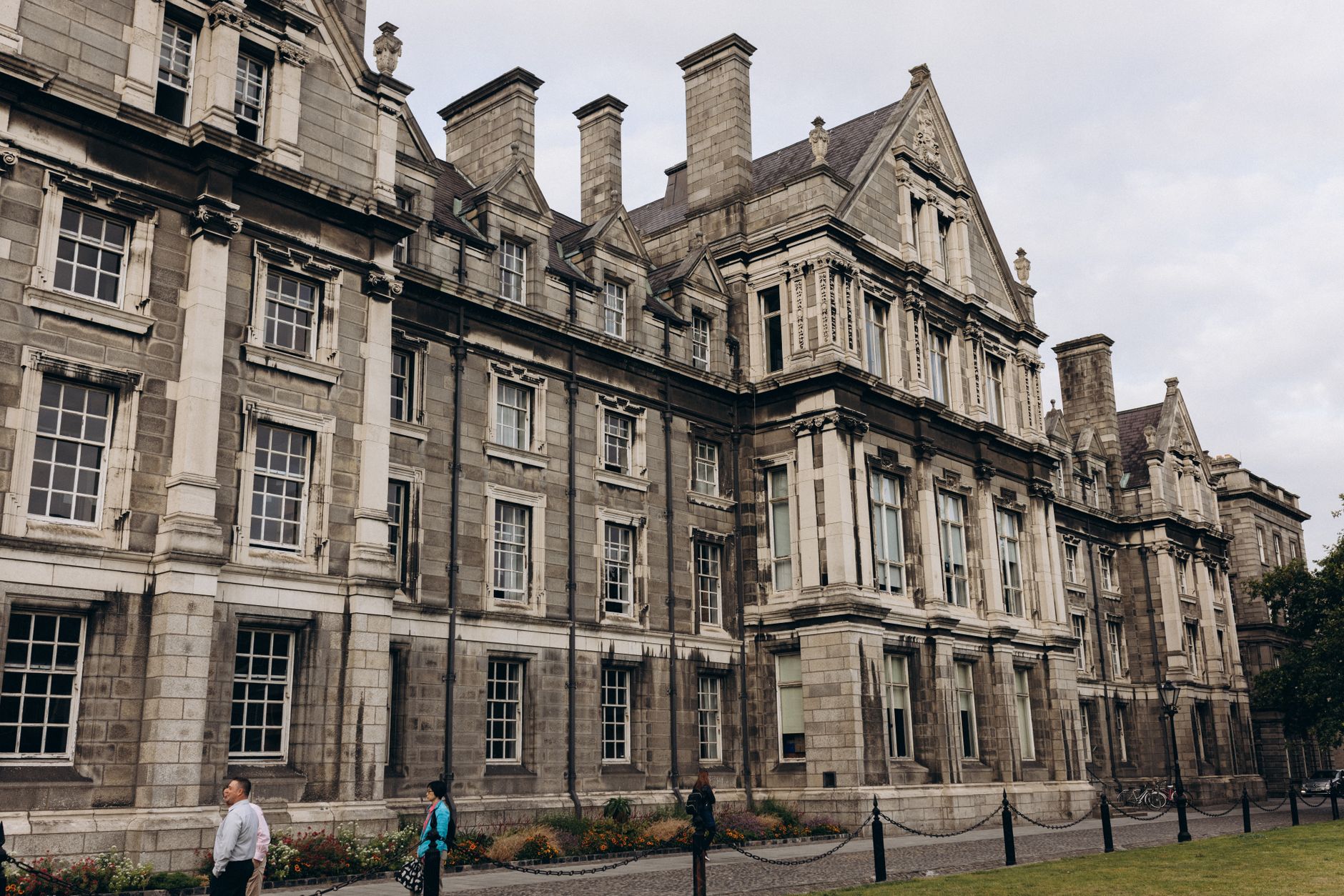
Drumcondra
A settled northside neighbourhood of red-brick terraces and good transport links, handy for Croke Park and the city without city noise.
 Drumcondra Road. Photo: William Murphy, CC BY-SA 2.0, via Wikimedia Commons
Why people stay in Drumcondra
Drumcondra sits north of the city centre, roughly between Phibsborough to the west and Fairview to the east, with Clontarf further out towards the coast. It grew as a Victorian and Edwardian suburb and still reads that way: long streets of red-brick and pebbledash houses, mature trees, small front gardens and a genuine, lived-in feel rather than a tourist one. The main road, Drumcondra Road, is one of the classic routes into the north city, and the neighbourhood spreads out on either side of it towards the Royal Canal and the Tolka valley.
This is a good base for people who want to be near the centre but sleep somewhere quieter, and for anyone in town for a match or concert at Croke Park, which sits right on the southern edge. Families and longer-stay visitors do well here because streets are calm and shops are practical. It is less suited to those who want to step out of the door into nightlife, late bars and constant bustle; evenings here are residential and close down early. If you want the centre at your doorstep, look closer to O'Connell Street or Parnell Square instead.
By day Drumcondra is a working neighbourhood: schools, corner shops, people walking to the bus or the train, a steady flow along the main road. In the evening it grows quiet quickly once the commuter traffic thins. Match days at Croke Park change the mood entirely, with crowds spilling along the streets before and after. Weekends are calm and family-oriented, with a flurry around the church and the shops on Sunday morning.
Drumcondra Road is the spine, lined with shops and businesses, and the Royal Canal passes just to the south, giving a pleasant green corridor for walking and cycling towards the city or out west. The church of St Patrick sits near the canal end and acts as a local landmark. Croke Park, the GAA stadium, dominates the skyline to the south, and Griffith Park and the Tolka greenway are a short walk away. Everyday life is ordinary in the best sense: post office, pharmacy, supermarket, schools, and people who have lived here for decades.
Food here is everyday rather than destination: bakeries, takeaways, casual cafes and a handful of neighbourhood restaurants along and just off the main road, plus decent pubs that serve food. For a wider choice you are a short bus or train ride from the city centre. The nearby clusters around Phibsborough and Fairview add more options, and the Sunday market scene in the city is easy to reach. Ask locally for what is open late; the answer may be shorter than you expect.
Dublin weather is mild and changeable in every season, so pack layers and a rain jacket whenever you come. Spring and early summer are the most rewarding for walking the canal and the parks, while autumn brings the football and hurling season at Croke Park and a lively match-day atmosphere. Winter is quiet and often grey but rarely severe. If you are visiting for an event at the stadium, book well ahead, as accommodation in the area fills quickly around big fixtures.
Costs here sit in the mid-range bracket for Dublin: cheaper than the Georgian core and the southside villages, but not a bargain area. Expect mid-range guesthouses and B&Bs, a handful of small hotels, and self-catering options, with budget choices thin on the ground. Eating and drinking are moderate for the city, with neighbourhood prices rather than city-centre mark-ups. Transport into the centre is inexpensive, which offsets the slightly out-of-centre location.
Know before you arrive that Drumcondra is primarily residential, so late-night shopping and dining are limited and you will rely on buses and the commuter rail for evenings out. Croke Park events close several streets and crowd the area; check fixture dates if quiet matters to you. Parking is on-street and often restricted, so ask your host. The train station on the main road connects to Connolly and the northern commuter lines, making it a useful, if unglamorous, base.
The best streets to stay on are the quiet residential roads off Drumcondra Road itself, particularly towards the canal and the streets running down towards Clonliffe and Croke Park. Staying close to the main road gives you the best bus links and the most shops, but comes with traffic noise; the parallel streets a block or two back are noticeably calmer and still only a few minutes' walk from transport. The area around the canal and St Patrick's church is convenient and pleasant, with good access to the city by bus and rail. Towards Fairview and the coast the streets stay residential and quiet. Accommodation is mostly mid-range: guesthouses, small hotels and B&Bs, with some self-catering apartments. Upscale options are limited and budget beds are scarce, so book early, especially around Croke Park fixtures when the whole area fills. If you want nightlife on your doorstep this is the wrong choice; if you want a calm, well-connected base within easy reach of the centre, it works well.
Things to do in Drumcondra
The Royal Canal runs along the southern edge of Drumcondra, offering a flat, traffic-free path for walking or cycling towards the city centre one way and out towards Phibsborough and beyond the other. It is at its best on a dry morning, when the light on the water and the old bridges is lovely and the path is quiet. Bring a rain jacket, since Dublin weather turns fast, and allow an hour or so for a relaxed out-and-back. The towpath is shared with cyclists, so keep to one side.
Croke Park is the home of the GAA and one of Europe's largest stadiums, sitting right on Drumcondra's southern edge. Even outside match days the stadium museum and rooftop tour give a real sense of Irish sporting culture and the history of the site. Check tour times ahead and book, as slots fill. On match days the atmosphere in the surrounding streets is worth experiencing even if you do not have a ticket, though crowds are heavy. Allow a couple of hours for a visit.
The church of St Patrick on Drumcondra Road is a local landmark with a tall spire visible along the road, and its grounds give a quiet pause from the traffic. It is an active parish church, so visit respectfully and avoid Mass times if you want to look around. The surrounding streets are a good place to see the area's Victorian red-brick housing at its best. A short stroll here pairs well with a walk along the nearby canal.
A short walk east brings you to Griffith Park and the green corridor along the River Tolka, a low-key local park with playing fields and paths. It is not a headline attraction, but it is a genuine slice of everyday northside life and good for a quiet morning walk or a run. The Tolka greenway continues towards Fairview and the coast. Bring comfortable shoes, as paths can be muddy after rain, and allow under an hour.
If your visit coincides with a Gaelic football or hurling fixture at Croke Park, the streets of Drumcondra fill with supporters in county colours and the pubs hum before and after. Even without a ticket, walking the route to the stadium gives a strong sense of local culture. Check fixture dates before you book if you want quiet, or plan around them if you want the atmosphere. Arrive a couple of hours before throw-in to soak it up.
Drumcondra Road is lined with practical local shops, bakeries and cafes that show how the neighbourhood actually lives. It is not a shopping destination, but a slow wander gives you a feel for the area and a chance to pick up picnic supplies before heading to the canal or a park. Weekday mornings are calmest. Allow half an hour and combine it with a walk towards the canal or the church.
What to see
Hotels in and near Drumcondra
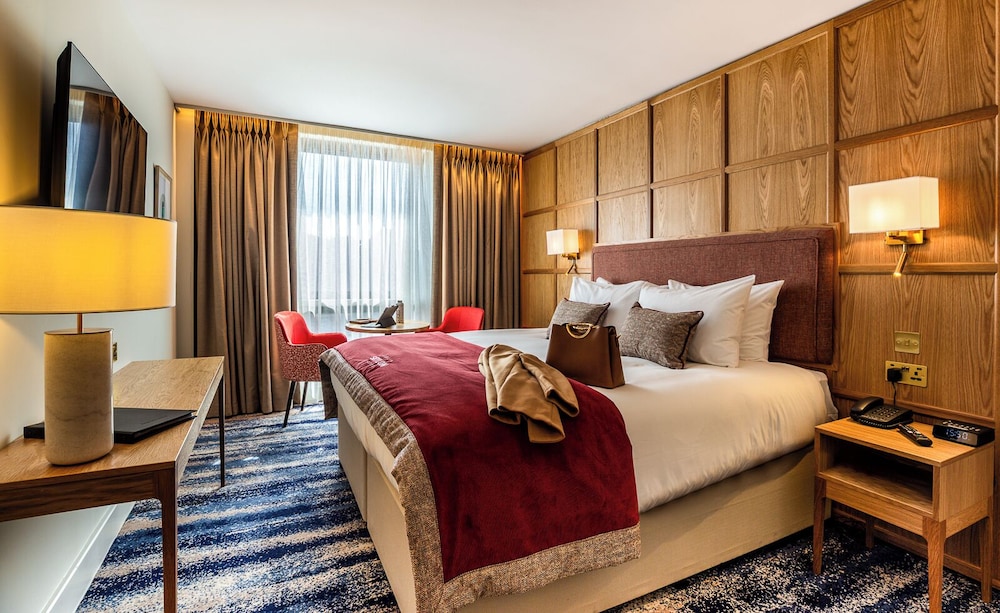

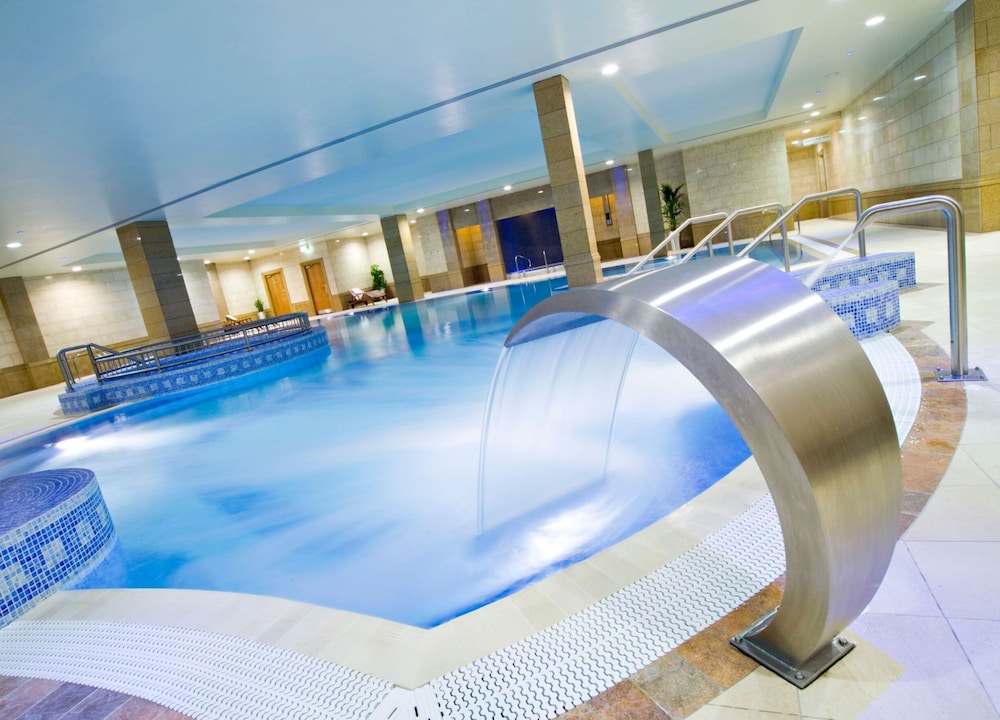
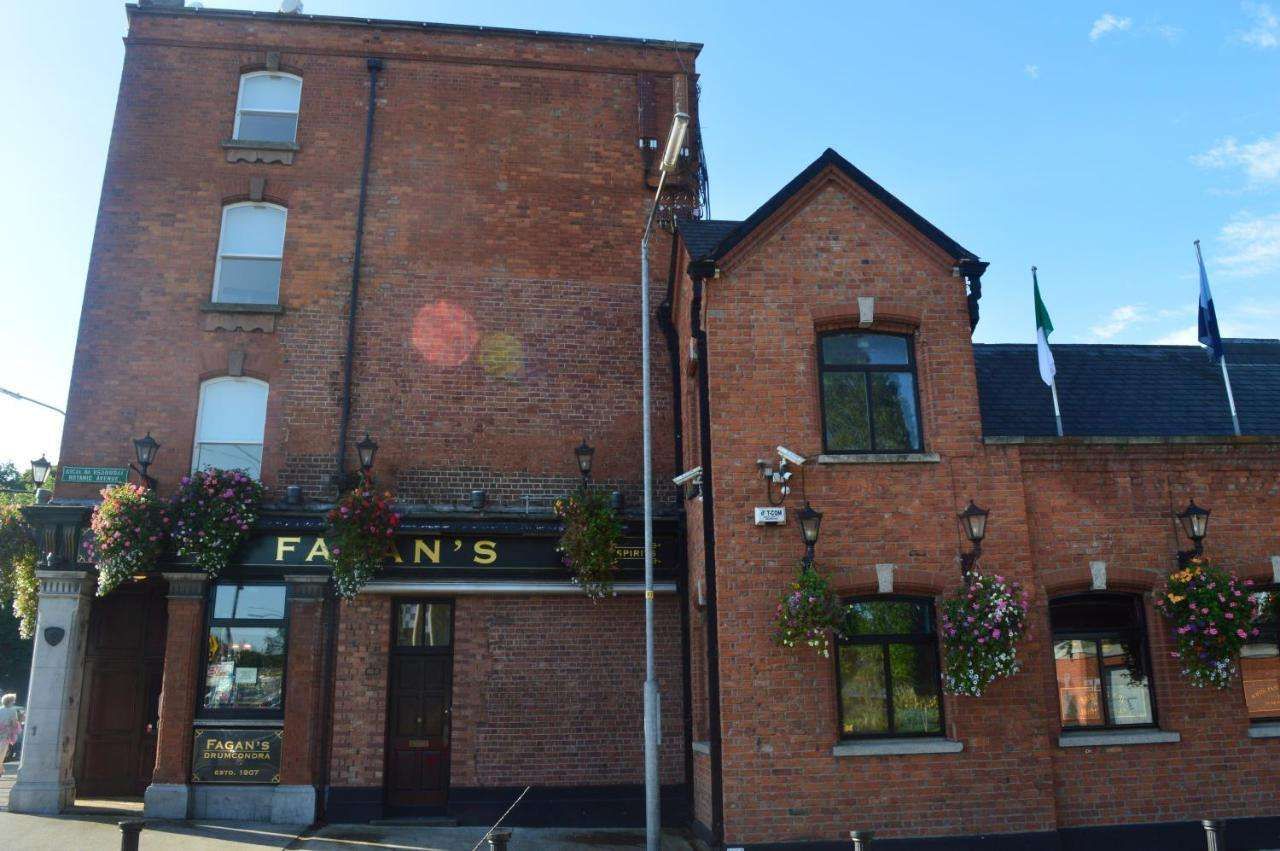

Every hotel we cover in Drumcondra
- Dublin Skylon Hotel 4★ · 4.3/5
- The Bonnington Dublin & Leisure Centre 4★ · 3.8/5
- Upstairs Studio Private kitchenette and Small en suite 4★
- Kennedy’s Pub Drumcondra 3★ · 4.4/5
- The Gallary 3★ · 4.4/5
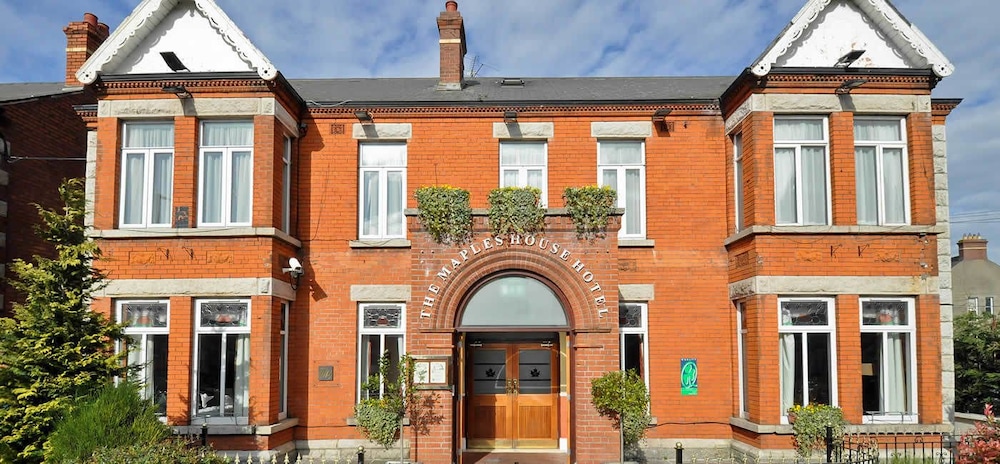
- Maples House Hotel 3★ · 4.1/5
- 2 Bedroom Apartment By The River 3★
- 2 Bedroom Riverside Apartment 3★
- Abberley House Bed & Breakfast 3★
- Abc House B&B 3★
- Acara House 3★
- Aghadoe House 3★
- Annandale House 3★
- Ashling House 3★
- Auburn bed and breakfast 3★
- Avoca House 3★
- Azalea Lodge 3★
- Drumcondra Junction Apts 3★
- Egans House 3★
- En suite Double Room near Croke Park 2 3★
- En suite Triple Room near Croke Park 1 3★
- Gracian OMB Dublin Apartment 3★
- Willow House Bed & Breakfast 3★
- Croke Park View Guesthouse 2★
Getting around Drumcondra
Drumcondra is well connected but not central. From Dublin Airport, a taxi or app takes roughly twenty to thirty minutes depending on traffic, and the Aircoach and other express buses stop along the main road; allow a little longer at peak times. The commuter rail station on Drumcondra Road links to Connolly and the northern lines, useful for day trips. Frequent city buses run along the main road into the centre in around fifteen to twenty-five minutes, more in rush hour. Walking is easy on the quiet side streets, though the main road is busy and crossing points are limited. Driving is possible but on-street parking is restricted and often permit-only, so check with your host; a car is not needed for a city visit. For Croke Park events, public transport is far easier than driving, as streets close and crowds build. Taxis and apps are readily available but can be slow to pick up around match times.
Questions about Drumcondra
Yes if you value calm and good transport over being in the middle of things. Buses and the commuter train get you into the centre in roughly fifteen to twenty-five minutes, and Croke Park is on the doorstep. It suits families, longer stays and anyone in town for a match. It is less ideal if you want late-night bars and restaurants within walking distance, since evenings here are quiet and residential.
A taxi or app is the simplest option and typically takes around twenty to thirty minutes depending on traffic. Several express and city buses run along Drumcondra Road and connect towards the centre, and you can get off near the area. The commuter rail station is useful once you are here but does not connect directly to the airport. Allow extra time at peak hours and check the latest routes with your host.
Yes, noticeably. On match and concert days the streets around the stadium close to traffic and fill with crowds before and after. Accommodation in the area books up early around big fixtures, so check dates before you reserve if quiet matters to you. If you are attending, arrive a couple of hours early and use public transport rather than driving, as parking is very limited.
Food here is everyday rather than destination: bakeries, casual cafes, takeaways and neighbourhood restaurants, plus decent pubs that serve food. For a wider choice you are a short ride from the city centre or the clusters around Phibsborough and Fairview. Nightlife is limited and mostly local pubs; if you want late bars and clubs, stay closer to the centre or plan to travel back by taxi or bus.
No, and it is often a nuisance. On-street parking is restricted and frequently permit-only, so check with your host before bringing one. Buses, the commuter train and taxis cover the city well, and the canal and side streets are pleasant on foot. A car is only worth it if you plan day trips well outside Dublin, and even then parking in the centre is best avoided.