Fairview
A quiet, residential northside village on the Tolka estuary, handy for Croke Park and the coast at Clontarf.
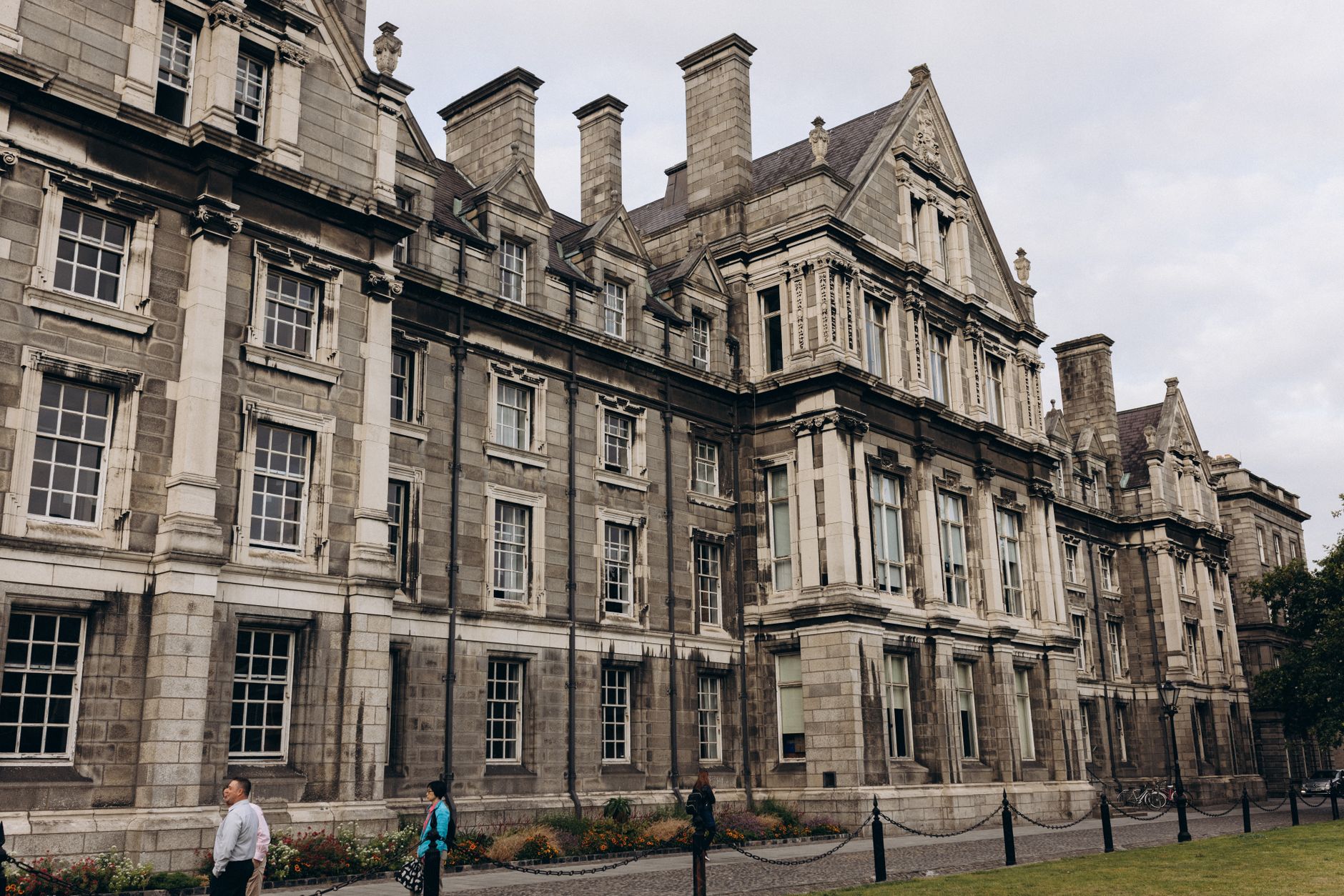
 Fairview Strand and Fairview Park. Photo: William Murphy, CC BY-SA 2.0, via Wikimedia Commons
Why people stay in Fairview
Fairview sits on Dublin's northside, roughly three kilometres northeast of the city centre, where the River Tolka broadens toward the sea and the grid of Victorian terraces gives way to the coast road at Clontarf. The neighbourhood is centred on Fairview Strand and the small triangle of streets around it, with Fairview Park stretching west along the river and the main artery of Annesley Bridge and the coast road carrying traffic through to the promenade. It is a place people pass through on the way to somewhere else, which is part of its appeal: it stays local.
This is a good base for travellers who want residential calm without being stranded, and for anyone in town for a match or a concert at Croke Park, which is a short walk away. It suits couples, older visitors and people with a car who want to be near the coast and the airport corridor. It does not suit anyone who wants to step out of the door into nightlife, dense sightseeing or a broad choice of restaurants at midnight; for that, look closer to the centre.
By day Fairview feels like a working village: buses along the strand, people walking dogs in the park, school runs and the low hum of the coast road. In the evening it goes quiet fairly early apart from match nights, when the streets around Croke Park fill and empty in waves and the pubs near the ground get busy. The character is domestic rather than theatrical, and the rhythm follows the tides and the fixtures rather than the tourist clock.
The spine of the area is Fairview Strand and the roads running off it toward Marino and Clontarf, lined with red-brick and pebbledash terraces of mixed age. Fairview Park is the everyday lung, with pitches, a playground and paths along the Tolka where it meets the sea. The church, the library and the small parades of shops anchor daily life, and the coast road leads east to the Clontarf promenade and the sweep of Dublin Bay.
Food here is everyday rather than destination: neighbourhood shops, takeaways and a scattering of small cafes and pubs serving solid pub grub. Locals tend to eat at home or drift into Clontarf, Drumcondra or the city centre for a proper dinner. The nearby villages of Marino and Clontarf add options, and the Saturday buzz around the ground on match days brings a few pop-up food stalls and busier pubs. Ask your host for the current local favourites rather than relying on a guidebook.
Fairview is at its best from late spring to early autumn, when the park and the Tolka walk are pleasant and the coast at Clontarf is a short stroll or bus ride away. Winter is grey and windy but rarely severe, and the area is well served by buses that keep running in bad weather. Match days at Croke Park transform the atmosphere whatever the season, so check the fixture list if you want energy or want to avoid the crowds.
Costs in Fairview sit at the mid-range to budget end for Dublin accommodation, and everyday food and drink are modestly priced compared with the centre. Because the site shows no prices, think in terms of class rather than figures: expect budget guesthouses and mid-range hotels, with a few upscale options toward Clontarf and the coast. Eating and drinking out is generally cheaper than in Temple Bar or around Grafton Street, and the local shops keep everyday costs down.
Before you arrive, know that Fairview is a transport hub as much as a neighbourhood, so pick your street with care: properties right on the strand or the coast road get traffic noise, while the side streets toward Marino are much quieter. Parking is mostly on-street and can be tight on match days, when the area fills up. Bring a rain jacket and comfortable shoes, check the Croke Park fixture list, and plan to use buses rather than drive into the centre.
The best place to stay in Fairview depends on whether you want quiet or convenience. The side streets running inland from Fairview Strand toward Marino, such as those off Philipsburgh Avenue, are the calmest choice, with Victorian and Edwardian terraces and a genuinely residential feel; expect budget guesthouses and small mid-range hotels here, plus the occasional upscale townhouse conversion. Properties directly on Fairview Strand and along the coast road are convenient for buses and the park but pick up traffic noise, so ask for a room at the back. Toward Clontarf and the coast the mix shifts to mid-range and upscale, with larger hotels and sea-facing rooms a short walk east. Match days at Croke Park make the streets around the ground lively and parking difficult, so if you are noise-sensitive check the fixture list before booking a room near the stadium. The area is generally quiet in the evenings, which suits families and older travellers, while anyone wanting nightlife should look closer to the centre and treat Fairview as a peaceful base rather than a destination.
Things to do in Fairview
Fairview Park runs along the River Tolka where it broadens toward the estuary, with pitches, a playground and paths that make an easy hour's wander. It is the neighbourhood's everyday green space and a good place to see local life rather than tourists. Go in the morning or early evening for the best light and fewer dogs off the lead, bring a rain jacket, and follow the path east toward the coast road to link up with the Clontarf promenade.
Croke Park, the GAA stadium, is a short walk from Fairview and one of the great sporting experiences in Dublin if you can catch a hurling or Gaelic football match. Even outside fixtures the stadium district is worth a look for its scale. Check the fixture list well ahead, arrive early because the streets fill, and wear comfortable shoes; the atmosphere before and after a big game is the real attraction.
A short bus ride or a half-hour walk east brings you to the Clontarf promenade along Dublin Bay, with views across to the Poolbeg towers and Howth on a clear day. It is a flat, breezy walk popular with runners and families. Go on a dry afternoon, bring a jacket because the wind off the bay is real, and allow an hour or two to walk a stretch and back.
Inland from Fairview, the Marino estate is a calm grid of 1920s housing, and the small neoclassical Casino Marino is a curious architectural gem worth a look from outside and, when open, within. It suits anyone interested in Dublin's suburbs beyond the centre. Check opening arrangements before you go, combine it with a walk through the estate, and allow an hour.
The coast road running east from Fairview through Clontarf toward Sutton is one of the pleasanter bus journeys in the city, with the bay on one side and the hill of Howth ahead. Take a bus and get off at a promenade stop for a walk, or ride to the end for a sense of how the city meets the sea. Go on a clear day, bring a jacket, and allow half a day.
Spend an hour wandering Fairview Strand and the side streets off it, noting the mix of terraces, the church, the library and the small parades of shops that make up everyday life here. It is not a sightseeing circuit but a way to understand the area you are staying in. Go in the late afternoon when the shops are busy, and finish with a walk in the park.
What to see
Hotels in Fairview


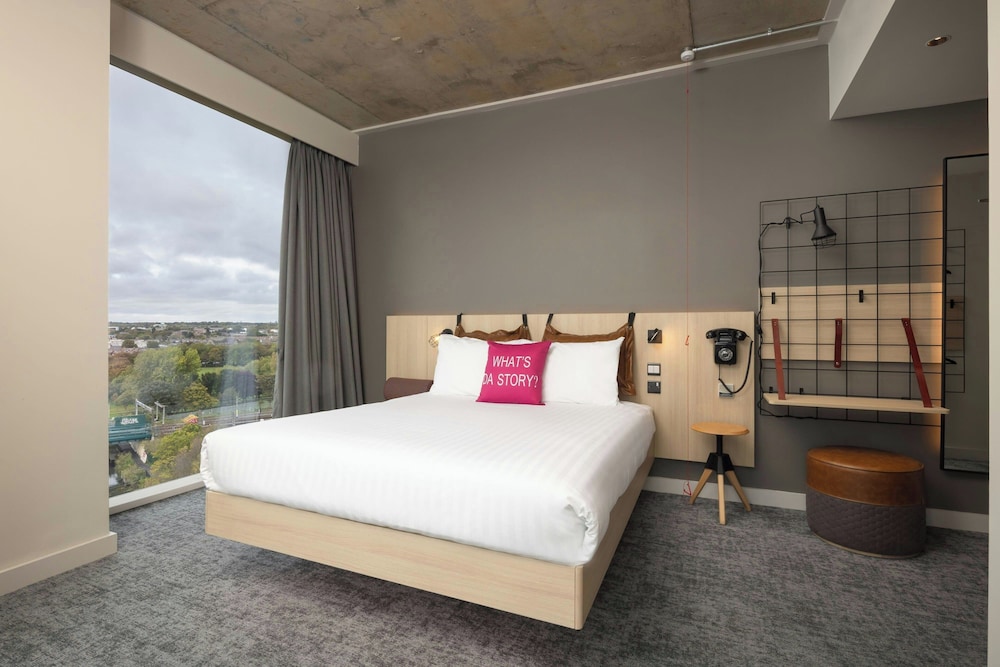
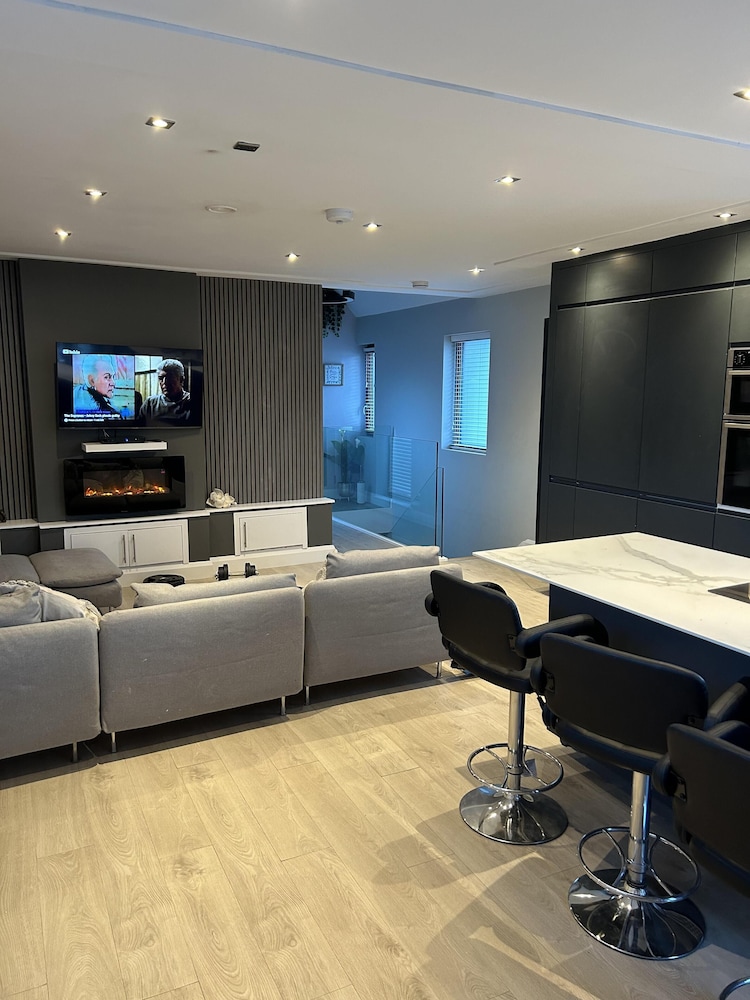
Every hotel we cover in Fairview
- Fairview Serviced Accommodation 3★ · 4/5
- Croke Park Studio 3★
- Moxy Dublin Docklands 3★
- Philipsburgh Self Catering Apartments 3★
- Pia House 3★
- Croke Park 3 beds 1 Pullout bed Sleeps 8 2★
- North City Lodge Self Catering 2★
- 3 Bed House in Dublin City Centre
- Cute D3 Cottage
- Park Tiny Loft Bed Studio
- Superb Double Room near Croke Park 3
- Superb Double Room near Croke Park 6
- Superb Triple Room near Croke Park 1
- Superb Triple Room near Croke Park 2
- Superb Triple Room near Croke Park 4
- Superb Triple Room near Croke Park 5
- Wake Up With 2 Cats On Your Face
Getting around Fairview
Fairview is well connected by bus, which is the easiest way in and out. Several routes run along Fairview Strand and the coast road toward the city centre and Clontarf, and the journey into the centre typically takes roughly fifteen to thirty minutes depending on traffic. From Dublin Airport, a taxi or app ride takes roughly twenty to thirty minutes outside peak times, and the drive via the port tunnel or the coast road is straightforward; public transport from the airport involves a change in the centre. There is no train station in Fairview itself, but buses link to the DART at Clontarf Road and to Connolly and the city centre. Driving is possible but parking is mostly on-street and tight, especially on Croke Park match days; if you have a car, check with your accommodation about parking before booking. The area is walkable for daily needs, with the park, shops and coast road within easy reach, and the promenade at Clontarf is a pleasant half-hour walk east. For sightseeing, treat Fairview as a base and use buses into the centre rather than driving.
Questions about Fairview
It is a good choice if you want a quiet, residential base with easy bus links to the centre and the coast. It suits families, older travellers and anyone attending a match at Croke Park. It is less suitable if you want nightlife or to walk to the main sights, since the centre is a bus ride away. Expect a calm, local atmosphere rather than a tourist one.
The simplest way is by bus along Fairview Strand and the coast road, with journeys typically taking roughly fifteen to thirty minutes depending on traffic. There is no train station in Fairview itself, but buses connect to the DART at Clontarf Road and to Connolly station. A taxi or app ride is quick outside peak hours. Driving into the centre is possible but parking is limited, so buses are usually easier.
The main draws are Fairview Park and the Tolka walk, Croke Park for GAA matches, and the short trip east to the Clontarf promenade along Dublin Bay. The neighbourhood itself is residential, so the appeal is everyday life rather than sightseeing. Check the Croke Park fixture list if you want atmosphere, and plan a coastal walk on a dry day.
Yes, when there is a big fixture at Croke Park the streets around the ground fill with crowds and traffic, and pubs get busy before and after. If you are sensitive to noise, check the fixture list before booking and ask for a room away from the main roads. On ordinary days the area is quiet, especially in the evenings.
Parking is mostly on-street and can be tight, particularly on match days and in the evenings. Some guesthouses and hotels have limited spaces, so ask before you book. If you are driving, arrive early and be prepared to walk a few minutes. For sightseeing, leaving the car and taking the bus into the centre is usually the easier option.