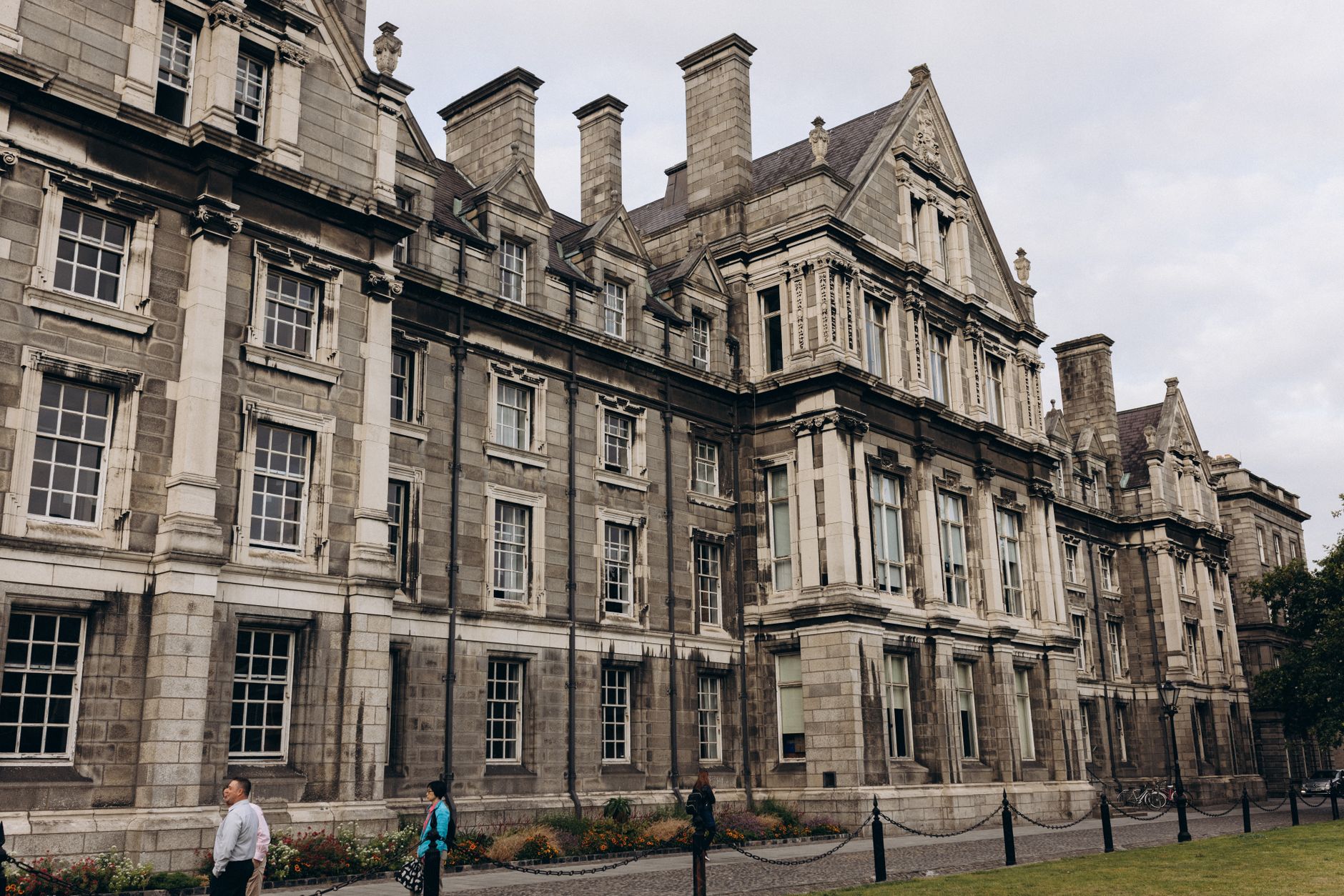
Clontarf
A coastal northside suburb with a long seafront promenade, a villagey main street and fast trains into the centre.
 The promenade at Clontarf. Photo: William Murphy, CC BY-SA 2.0, via Wikimedia Commons
Why people stay in Clontarf
Clontarf sits on the north shore of Dublin Bay, roughly three to four kilometres northeast of the city centre, strung along the coast road between Fairview and the Bull Island causeway. It is one of Dublin's older coastal suburbs: a former fishing and market-garden village that was absorbed into the growing city in the nineteenth century and is now a settled, prosperous residential district. Its spine is the coast road and the parallel promenade, with the Dart line running behind the seafront and a compact village centre of shops and services around the church and the main crossroads.
This is a good area for travellers who want sea air, quiet evenings and an easy train ride into town, and who do not need to be in the middle of the pub and restaurant action. It suits couples, families, older visitors and anyone staying a few nights who values sleep over nightlife. It is less suitable for people who want to walk out of their door into sightseeing, late bars or a dense choice of restaurants; Clontarf is predominantly residential, and evenings are calm almost to a fault.
By day Clontarf feels like a working suburb with a seaside bonus: joggers, dog walkers, cyclists and sea swimmers on the promenade, parents on the school run, and a steady trickle of people using the village shops. The light off the bay is the best thing about it, especially in the late afternoon. In the evening it quiets down quickly; there are a few pubs and places to eat near the village, but most visitors end up taking the Dart back into the centre or staying in for the night.
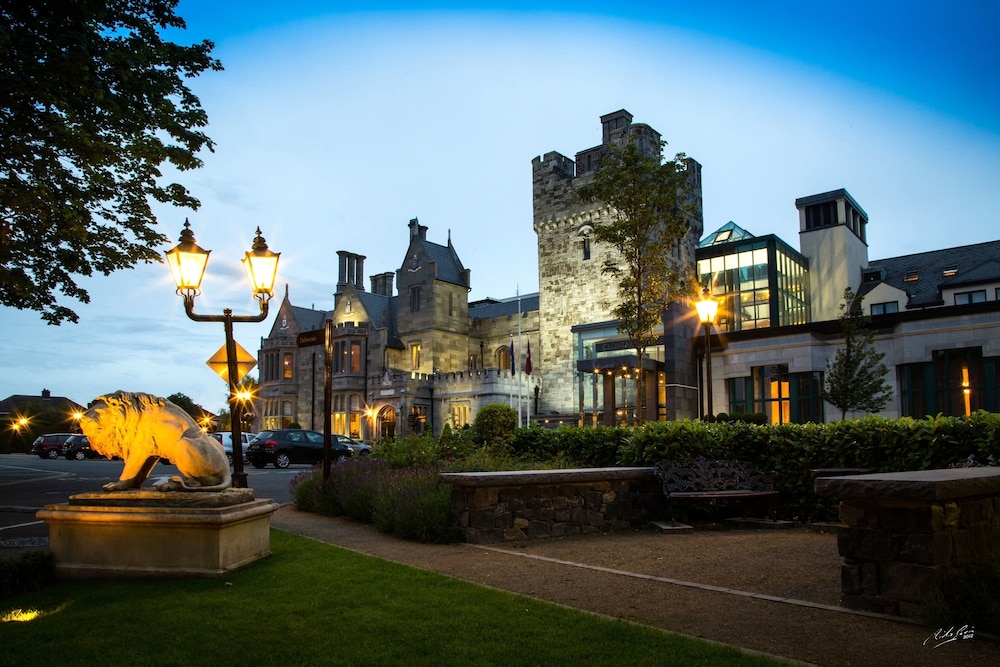
The defining landmarks are the seafront promenade and the causeway out to North Bull Island, a nature reserve with dunes, a beach and birdlife, reached by a wooden bridge at the north end of the suburb. Clontarf Castle, a much-rebuilt medieval site now used as a hotel, anchors the southern end, and St Anne's Park, one of the city's largest, lies just inland to the north. Everyday life revolves around the village centre, the churches, the schools and the coast road, which is busy with traffic at peak times.
Food is mostly everyday suburban rather than destination dining: a handful of cafes, takeaways and neighbourhood restaurants in the village, plus a supermarket or two for self-caterers. Locals tend to drive or take the Dart to Fairview, Drumcondra or the city centre for a wider choice. The Saturday market at St Anne's Park, when it runs, is the closest thing to a food event in the area, and the park itself is a good spot for a picnic. Ask your host for current recommendations, as places change.
Clontarf is at its best from late spring to early autumn, when the promenade is usable without horizontal rain and the Bull Island beach is genuinely pleasant. Sea swimming happens year-round with a hardy local crowd, but the water is cold outside summer. Winter is windy and dark early, and the seafront can be bleak in a northeast gale. Wind is the constant: even on a bright day, bring a layer for the promenade, and expect the coast road to be slow at rush hour.
Costs here sit in the mid-range to upscale bracket for Dublin: it is a settled, desirable suburb, and accommodation reflects that. Eating and drinking are ordinary suburban prices rather than city-centre premiums, and self-catering is easy given the village shops. Nothing here is bargain-basement, but you are paying for space, quiet and sea air rather than for nightlife. Budget travellers will find better value closer to the centre; mid-range and upscale visitors get more room for their money than in the tourist core.
Before you arrive, know that Clontarf is a place to base yourself, not a place to sightsee from your doorstep. Check how far your accommodation is from a Dart station, because the walk from the seafront back up to the line can be longer than it looks on a map. The coast road is not a pleasant stroll at rush hour, so use the promenade instead. Book ahead in summer and around big stadium or concert dates, when northside beds fill up.
The best places to stay are the streets between the coast road and the Dart line, within a short walk of Clontarf Road or Killester stations, where you get sea air without a long trek to the train. The seafront itself, along the promenade, is the prettiest option and the quietest at night, mostly low-rise houses and a few small guesthouses rather than large hotels; expect mid-range guesthouse and self-catering accommodation here, with a handful of upscale options in converted period houses. Around the village centre you are closest to shops and buses, a mix of mid-range guesthouses and small hotels, but evenings are still quiet. Near Clontarf Castle at the southern end there is a larger upscale hotel with more facilities, convenient if you want a bar and restaurant on site and easy access to the city via Fairview. Inland towards St Anne's Park and the Killester side, you find more residential streets and budget-to-mid-range guesthouses, good value if you do not mind a ten-minute walk to the train. Avoid rooms directly on the coast road if traffic noise bothers you, and check whether your accommodation is actually in Clontarf or just marketed as such, since Fairview and Killester listings often use the name.
Things to do in Clontarf
The seafront promenade runs for a couple of kilometres along the bay, with a wide path for walkers and a separate cycle track. It is the defining Clontarf experience: flat, open, with views across the water to the Dublin mountains and Howth on a clear day. Go early morning for the swimmers and joggers, or late afternoon for the light. Bring a windproof layer whatever the forecast says, and allow an hour for an unhurried there-and-back.
At the north end of the promenade a wooden bridge leads onto North Bull Island, a Unesco-listed biosphere reserve of dunes, salt marsh and a long beach. It is a genuine wild space minutes from suburbia, with birdlife in winter and swimming in summer. Walk the beach towards the Bull Wall for the best views back to the city. Wear proper shoes for the dunes, check tide times before swimming, and allow two to three hours if you go all the way out.
One of Dublin's largest parks lies just inland from Clontarf, with long tree-lined avenues, rose gardens, playing fields and a former mansion site. It is where locals run, cycle and walk the dog, and it feels pleasantly unmanicured compared with the formal city-centre squares. Go on a dry weekend morning and wander without a plan. Bring water and a rain jacket; the park is exposed in parts and there are limited sheltered spots.
Clontarf has a long tradition of sea swimming, and on most mornings you will see locals in the water year-round off the promenade and near the Bull Wall. If you swim, go with others, check the tide and currents, and be honest about the cold, which is bracing even in August. Non-swimmers can paddle at the Bull Island beach instead. Bring a towel, warm layers and something to stand on; the ground is stony in places.
The coastal route from Clontarf is one of the nicer short rides in Dublin: south towards Fairview and the docklands, or north along the coast road towards Sutton and Howth if you are feeling ambitious. Bike lanes and the promenade path make it manageable for most fitness levels. Pick a calm, dry day, avoid the coast road at rush hour, and bring a lock. Allow an hour or two each way depending on how far you go.
Clontarf's village centre is small but has what you need for a self-catering stay: a supermarket, a pharmacy, bakeries and a few cafes and pubs. It is not a sightseeing destination, but a slow hour pottering between the church, the shops and the seafront gives a sense of ordinary Dublin suburban life. Go on a weekday morning when it is liveliest, and use it to stock up rather than to plan your day around.
What to see
Hotels in and near Clontarf



Every hotel we cover in Clontarf
- Clontarf Castle Hotel 4★ · 4.5/5
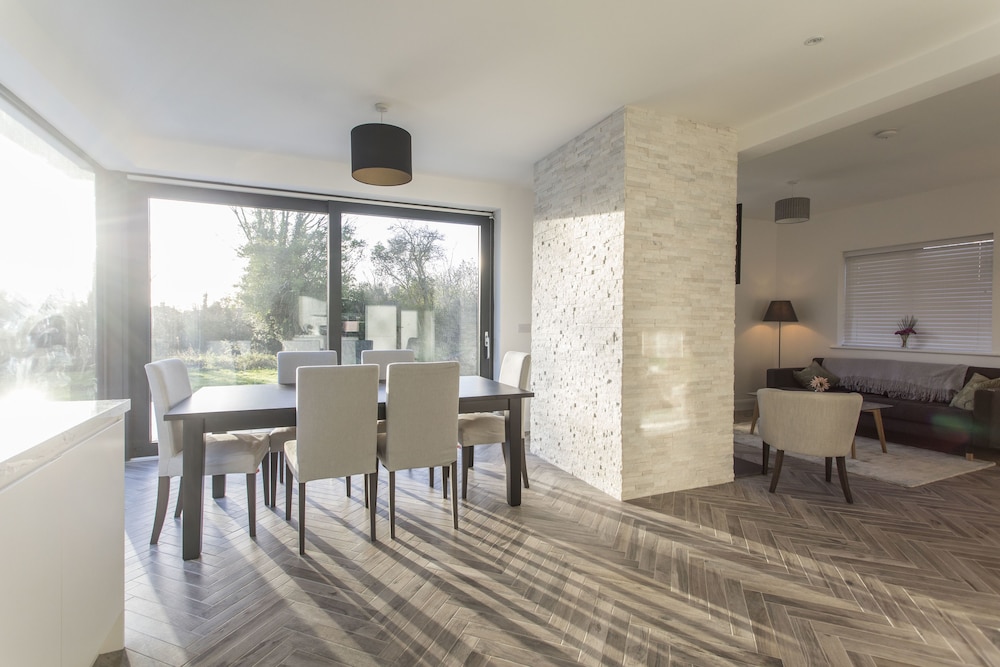
- Dublin 'Home from Home' Luxury Private Secure House 4★
- GuestReady Charming house in Dublin 4★
- Killester Self Catering Cottage 4★
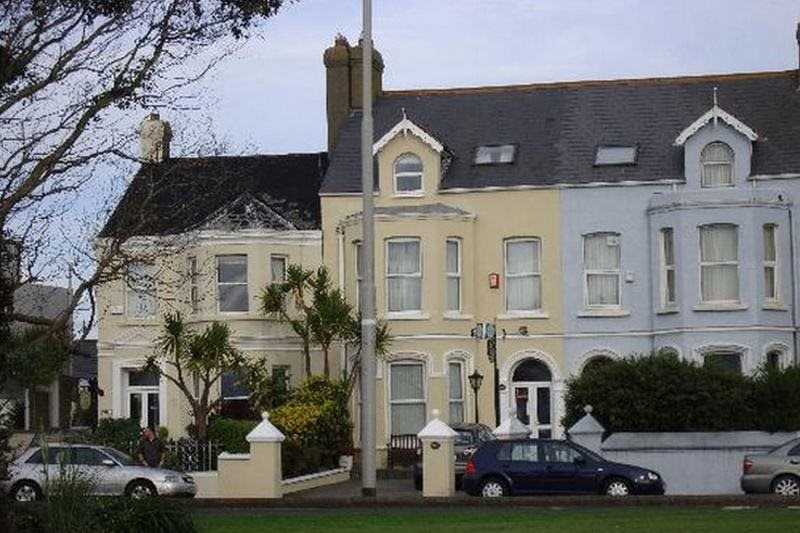
- Stylish studio own entrance in Victorian House 4★
- Slievenamon Manor 3★ · 3.9/5
- Aishling House 3★
- Avoca Lodge 3★
- Bellgrove Bed & Breakfast 3★
- Derwent Lodge 3★
- Hot Tub Luxe Villa In The Heart Of Dublin 3★
- Bram Stoker Hotel Clontarf 2★
- 20 Minutes to the City Center
- Clontarf Dublin 3
- Private comfortable bedroom
- Private Comfortable Bedroom
- Private comfortable bedroom with ensuite
Getting around Clontarf
Clontarf is served by the Dart commuter rail line, with Clontarf Road and Killester stations on its inland edge; from either you reach Dublin Connolly in roughly ten to fifteen minutes and the city centre in under twenty. Several bus routes run along the coast road and into town, taking longer in rush hour. From Dublin Airport, a taxi or app is the simplest option, typically twenty to thirty minutes depending on traffic; by public transport, take a bus towards the city and change, which is cheaper but slower with luggage. Driving is easy but parking on residential streets is restricted and the coast road is congested at peak times, so a car is more hindrance than help for city sightseeing. Within Clontarf everything is walkable: the village, the promenade and the Dart stations are all within fifteen to twenty minutes of each other, though the walk uphill from the seafront to the stations is longer than it looks. Use the promenade for walking and cycling rather than the busy coast road. For evenings out, plan on the Dart or a taxi into the centre, as local nightlife is limited.
Questions about Clontarf
It is a good base if you value quiet, sea air and space over proximity. The Dart gets you into the city centre in under twenty minutes, so day trips are easy, but you cannot walk out of your door into the main sights. It suits people staying several nights who want calm evenings, less so those who want to be in the middle of things.
Yes, sea swimming is a local tradition off the promenade and near the Bull Wall, year-round for hardy regulars. The water is cold even in summer, and tides and currents matter, so swim with others, check conditions and do not go in alone if you are unsure. The Bull Island beach is the gentler option for paddling.
A taxi or app is easiest and usually takes twenty to thirty minutes depending on traffic. By public transport, take the Dart or a bus into the city centre and change to an airport bus or coach, which is cheaper but slower with bags. Allow extra time at peak hours, when the coast road backs up.
There are a few pubs and neighbourhood restaurants around the village centre, but this is not a dining destination. Most locals go to Fairview, Drumcondra or the city centre for a wider choice. Plan on eating near where you are staying or in town, and ask your host for current recommendations, as places change.
No. The Dart and buses cover the city, and the promenade, village and stations are all walkable. Parking on residential streets is restricted and the coast road is slow at rush hour, so a car is more trouble than it is worth unless you are touring outside Dublin. Bring comfortable shoes for the seafront instead.