Rathgar
A leafy, low-rise southside village where Georgian villas, a tight main street and good local food make a calm Dublin base.
 Rathgar from the air. Photo: 瑞丽江的河水, CC BY-SA 4.0, via Wikimedia Commons
Why people stay in Rathgar
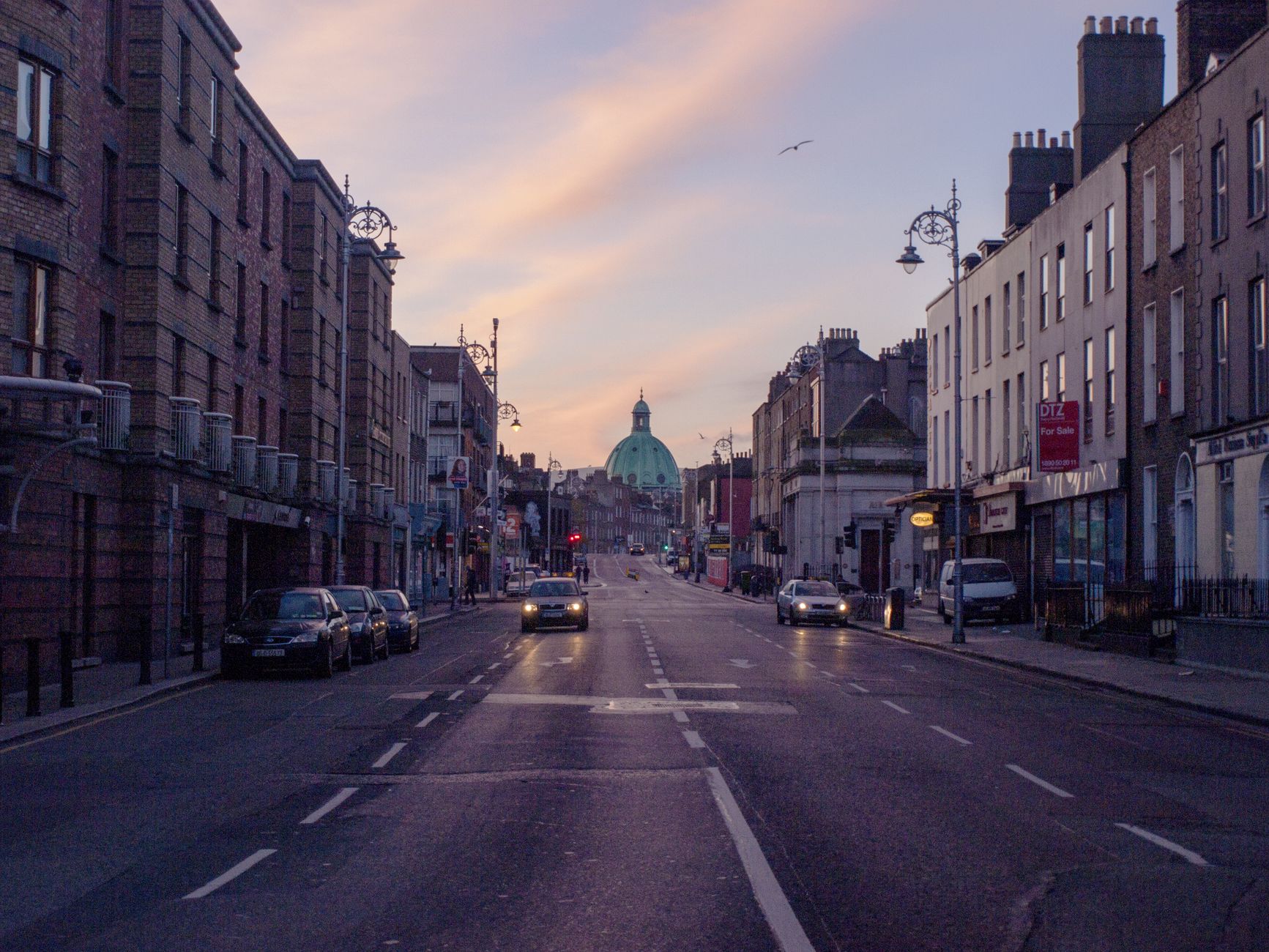
Rathgar is a small, settled residential village on Dublin's southside, lying about three kilometres south of the city centre along the Rathgar Road axis. It sits between Rathmines to the north and Terenure to the south, with Harold's Cross to the west. The area grew up in the Georgian and Victorian eras as a suburb of detached and semi-detached villas, and much of that low-rise, tree-lined character survives. Unlike the dense terraces nearer the Liffey, Rathgar feels like a village that happens to be inside a capital city, with a short commercial spine and quiet streets fanning out behind it.
Rathgar suits travellers who want calm at night, good local food within walking distance and a straight bus run into town, and it works well for couples, older visitors and anyone staying more than a couple of nights. It is less suitable for people who want to step out of the door into nightlife or museum-hopping; the centre is a short ride rather than a stroll. If your plan is to walk to sights all day, base closer to the Liffey. If you want a real neighbourhood with parks and bakeries, Rathgar is honest value for a southside stay.
By day the village is active but unhurried: locals doing school runs, shopping on the main street, coffee and lunch places busy at midday. In the evening it quietens down markedly. A few spots stay open for dinner and there is some life around the crossroads, but the residential streets go dark and silent. This is a sleep-well area rather than a go-out area. If you want a late drink or a late meal, plan on Rathmines or the city centre, and check the last bus times before you head out.
The main street, Rathgar Road, holds the shops, banks and most of the food, with the village crossroads as the informal centre. Behind it, streets such as those around Orwell Road and the roads off the main spine are lined with mature trees, high walls and substantial older houses. Palmerston Park, a modest Victorian park with railings, lawns and mature planting, is the local green space and a good place to sit. Nearby Orwell Road leads towards the Dodder and towards Rathfarnham; the Dodder valley paths are within reach on foot for a longer walk.
Food here is neighbourhood food rather than destination dining: cafes for breakfast and lunch, a handful of restaurants including good Italian and Asian options, takeaways, and the staples of a working village including a supermarket and a pharmacy. Locals shop on the main street and drift in and out of Rathmines for a wider choice. Expect mid-range prices for dinner and budget-friendly lunch menus. It is the kind of place where you eat well without booking weeks ahead, and where a casual midweek meal is the norm rather than an occasion.
Dublin's weather is what it is, and Rathgar is pleasant in all four seasons but rarely a place you go for the weather itself. Spring and early summer are the best times: the trees are out, Palmerston Park is at its greenest, and evenings are long. Autumn is mild and often dry, with good light on the older houses. Winter is dark by late afternoon but the village stays cosy and the buses keep running. Rain is possible any month; bring a light waterproof and shoes you can walk in, and don't count on a dry afternoon.
Rathgar sits at mid-range to upscale for Dublin, largely because it is residential and the accommodation is limited and often good quality rather than budget-led. Eating out is mid-range, with cheaper lunches and takeaways available. Expect to spend more than in a hostel district and less than in the most central or upscale addresses. Because there are relatively few hotels, what is available can book up; plan ahead for weekends and around big events in the city. Overall it is not a cheap base, but it is a comfortable one.
Before you arrive, know that Rathgar is a residential village, not a tourist quarter: shops close reasonably early, the streets are quiet after dark, and you will rely on buses for the centre. Confirm with your host which bus routes run nearest and how late they operate. There is no major rail station in the village itself, so plan the last leg from the city centre or from a Luas stop in neighbouring areas. Parking on residential streets is restricted and often permit-controlled, so if you drive, ask about parking before booking.
The best place to stay in Rathgar is close to the village crossroads on or just off the main street, where you can walk to food, buses and Palmerston Park without needing a car. That core has the most life and the most convenient access, and it suits mid-range and upscale stays in converted houses and small guesthouse-style properties. The streets behind the village, spreading towards Orwell Road and the roads running down to the Dodder, are quieter and leafier, with larger older houses, some of which take guests; this is where you get calm and space, at upscale levels, and you will need to walk a few minutes for a coffee. Towards Harold's Cross and the Rathmines side, the housing is denser and the streets busier, with more mid-range and budget-friendly rooms and easier access to neighbouring villages. Rates are not something to quote; expect the area to sit at mid-range to upscale overall, with limited stock, so book early. Ask specifically whether the room faces the main road, since traffic noise is the main complaint on the village spine, and whether parking is included if you drive.
Things to do in Rathgar
Palmerston Park is Rathgar's small Victorian park, enclosed by railings with lawns, mature trees and paths, and it gives a quick sense of local life. It is worth an hour if you want a green pause between buses. Best in the morning or late afternoon when locals walk dogs and children play. Bring nothing special, but note the gates are not open all night, so don't plan an evening stroll too late. Combine it with a loop of the surrounding streets to see the older villas.
The River Dodder runs through the area to the south and east, and the riverside paths near Orwell Road and towards Rathfarnham make a gentle walk away from traffic. It is worth it for a sense of the southside's green edge and for birdlife along the water. Go on a dry day, wear shoes with grip since the paths can be muddy, and allow an hour or two. Walk upstream or downstream and return by a different street for a loop.
The main street through the village is short but useful: independents, a supermarket, a pharmacy, cafes and a few restaurants. It is worth a slow hour to stock up and to eat lunch where locals do. Best mid-morning to early afternoon when everything is open; many places shut by early evening. Bring a bag for shopping and cash as a backup. It is also the place to ask staff about buses and the quickest route into the centre.
Walking north from the village into Rathmines takes roughly twenty to thirty minutes and passes through handsome residential streets and past church buildings. It is worth it because it links two villages and gives you a wider choice of food and shops at the far end. Do it in daylight, take the quieter side streets rather than the main road where you can, and allow time to stop. Return by bus if you are tired.
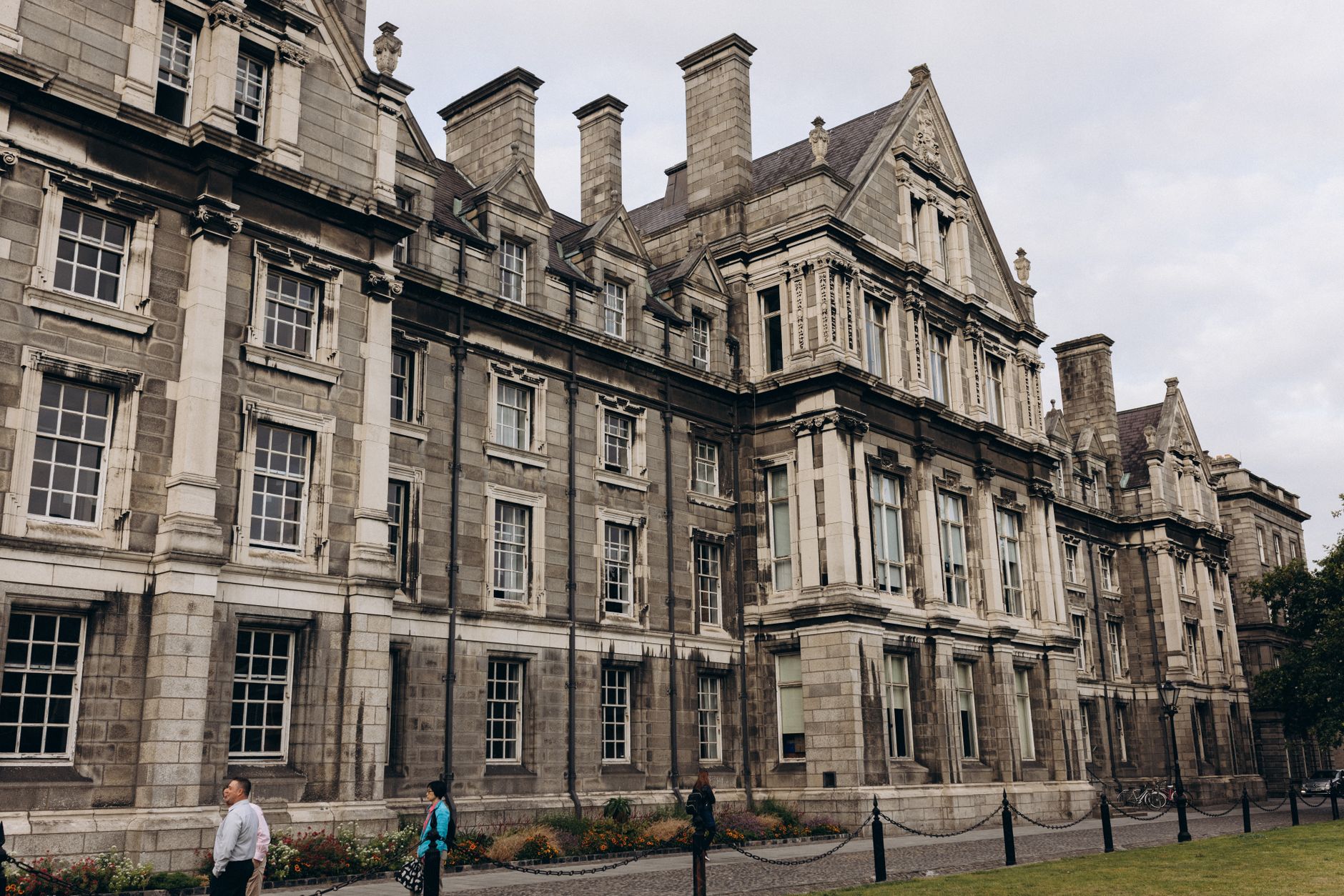
Rathgar has a number of historic church and institutional buildings from the nineteenth century, and the surrounding villas are the real draw for anyone interested in architecture. It is worth a wander with an eye upward at gables, gate piers and mature planting. Best on a dry weekend morning when streets are empty. Keep to public pavements and respect private grounds. Bring a camera; the light on the older brick and stone is good in early morning.
Rathgar works well as a base for the centre: a bus ride of roughly twenty to thirty minutes gets you to the Liffey and the main sights. It is worth planning one full day in the middle of your stay, leaving after the morning rush and returning before the evening peak if you can. Bring a charged phone for maps and a Leap card for the bus. This keeps the village as your quiet retreat rather than a place you try to sightsee from.
What to see
Hotels in and near Rathgar


Every hotel we cover in Rathgar
Getting around Rathgar
Rathgar is served mainly by Dublin Bus routes running along the Rathgar Road corridor between the city centre and the southern suburbs, with journey times into the centre usually in the region of twenty to thirty-five minutes depending on traffic and time of day. There is no Luas or rail stop in the village itself, so the last leg is by bus or on foot; the nearest Luas and rail options are in neighbouring areas such as Rathmines and Harold's Cross, a walk or short bus hop away. From Dublin Airport, the usual approach is an airport coach or taxi into the centre and then a bus out, or a direct taxi for a flat-ish hour depending on traffic; allow more at peak times. Taxis and ride-hailing apps work normally here, though drivers sometimes struggle with house numbers on the older residential streets, so give a landmark. Driving is possible but parking on residential streets is often permit-controlled, so confirm parking with your host before booking. The village itself is very walkable and the surrounding streets are pleasant for strolling, but the distances to the centre make walking there a one-way choice at best.
Questions about Rathgar
It is a good base if you value quiet and don't mind a bus ride to the sights. The village has food and shops on the doorstep, and buses run to the centre in roughly twenty to thirty-five minutes. You will not walk to the main sights from here, so factor in transport time and check the last buses if you plan late evenings in town. For a calm, residential stay it works well.
The most straightforward route is an airport coach or taxi into the city centre and then a local bus out along the Rathgar Road corridor, or a direct taxi for roughly an hour depending on traffic. There is no direct rail link to the village. Allow extra time at peak hours and have your accommodation address ready, since some streets are awkward for drivers to find.
Parking on residential streets is often controlled by permits, so do not assume you can park outside your accommodation. Ask your host before booking whether parking is included or where guests normally leave a car. Some properties have off-street space; others do not. Public car parks are not common in the village itself, so this is worth sorting out in advance.
No, and that is the point. There are a few places to eat in the village and some life around the crossroads, but the residential streets go quiet after dark. For nightlife, plan on Rathmines or the city centre. Check bus times for your return, as services thin out late. If you want to sleep well and eat well locally, the quiet evenings are a plus.
Within the village you have the main street with shops, cafes and restaurants, and Palmerston Park. Rathmines is a walk of roughly twenty to thirty minutes, and the Dodder riverside paths are reachable on foot towards Orwell Road for a longer walk. The city centre is not a comfortable walk for most visitors, so treat the bus as your main link.